
The Sketchbook Habit
Keeping a visual diary opens the channels for the creative spirit that all artists seek. Throughout history, sketchbooks have been “laboratories”, journals, classrooms, and repositories of ideas.
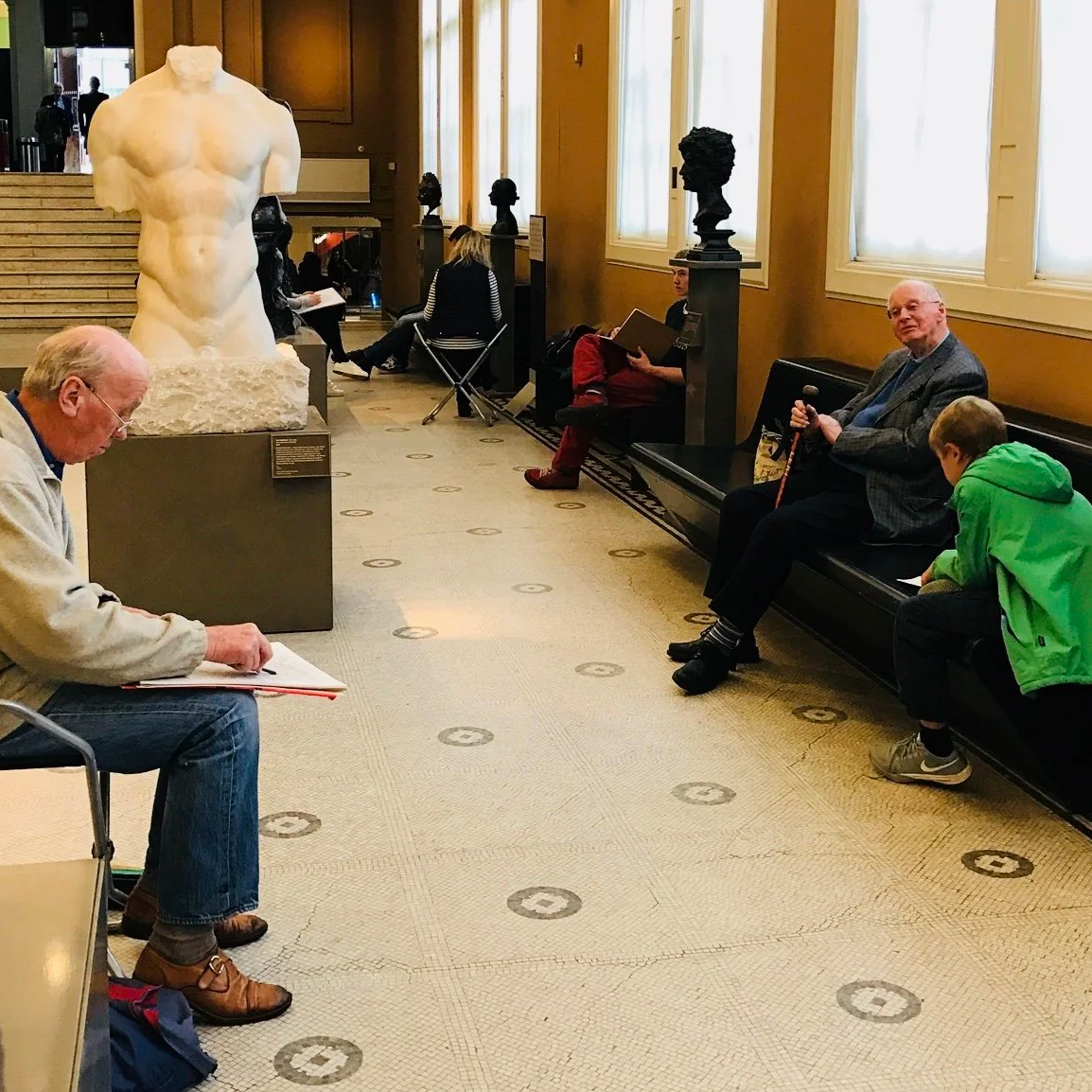
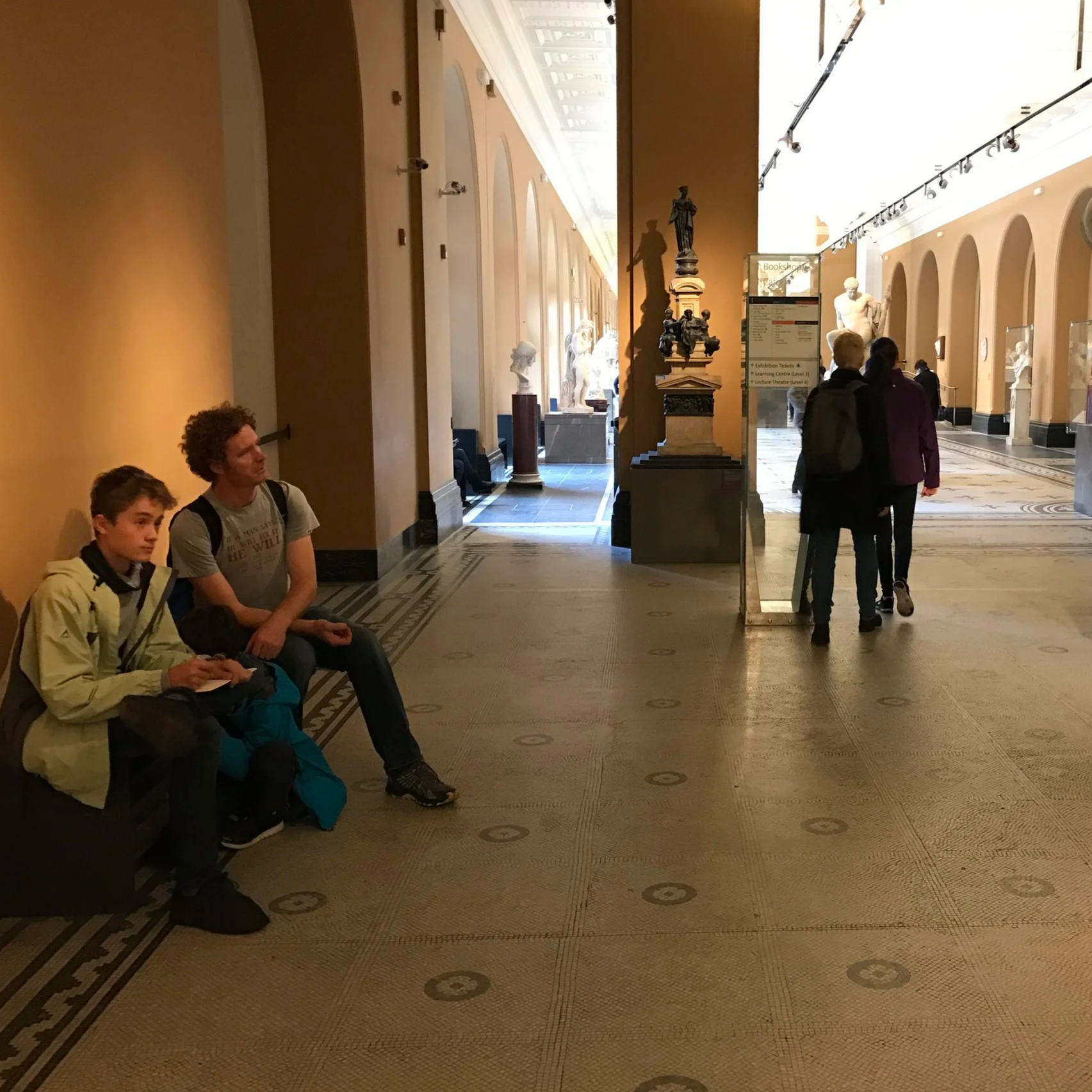
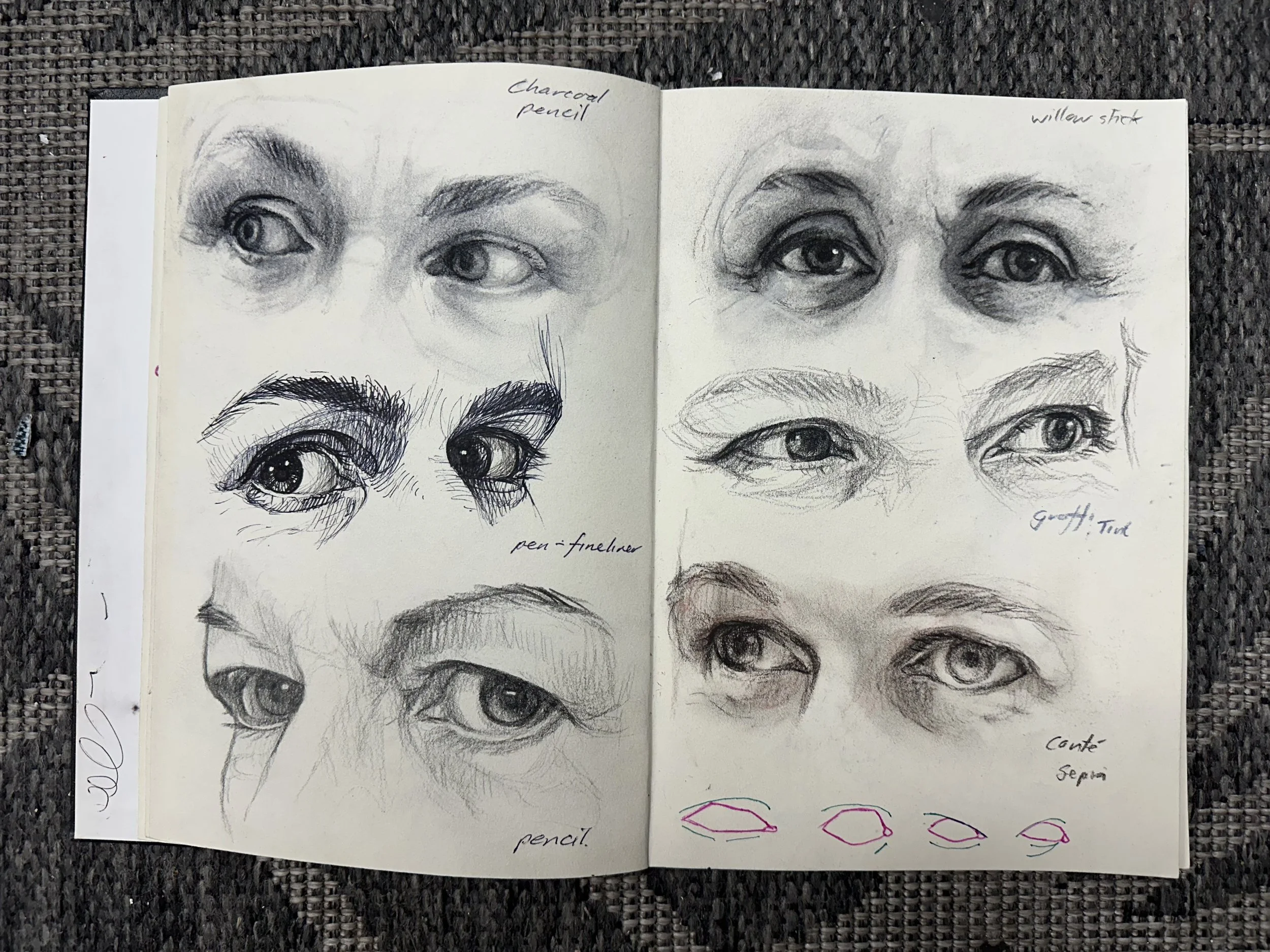
Artists rely on journals for different but overlapping reasons. Here are some examples of my own sketchbooks and that demonstrate the reasons artists love keeping a sketchbook on hand.
1. To Train the Eye
A sketchbook teaches artists to truly observe rather than merely look. Regular drawing develops the ability to notice proportion, light, movement, colour relationships, and subtle forms that might otherwise be overlooked.
Drawing is learning to see. It enables you to interpret, edit, reflect or create the visual environment you find yourself in.
2. To Build Technical Skill
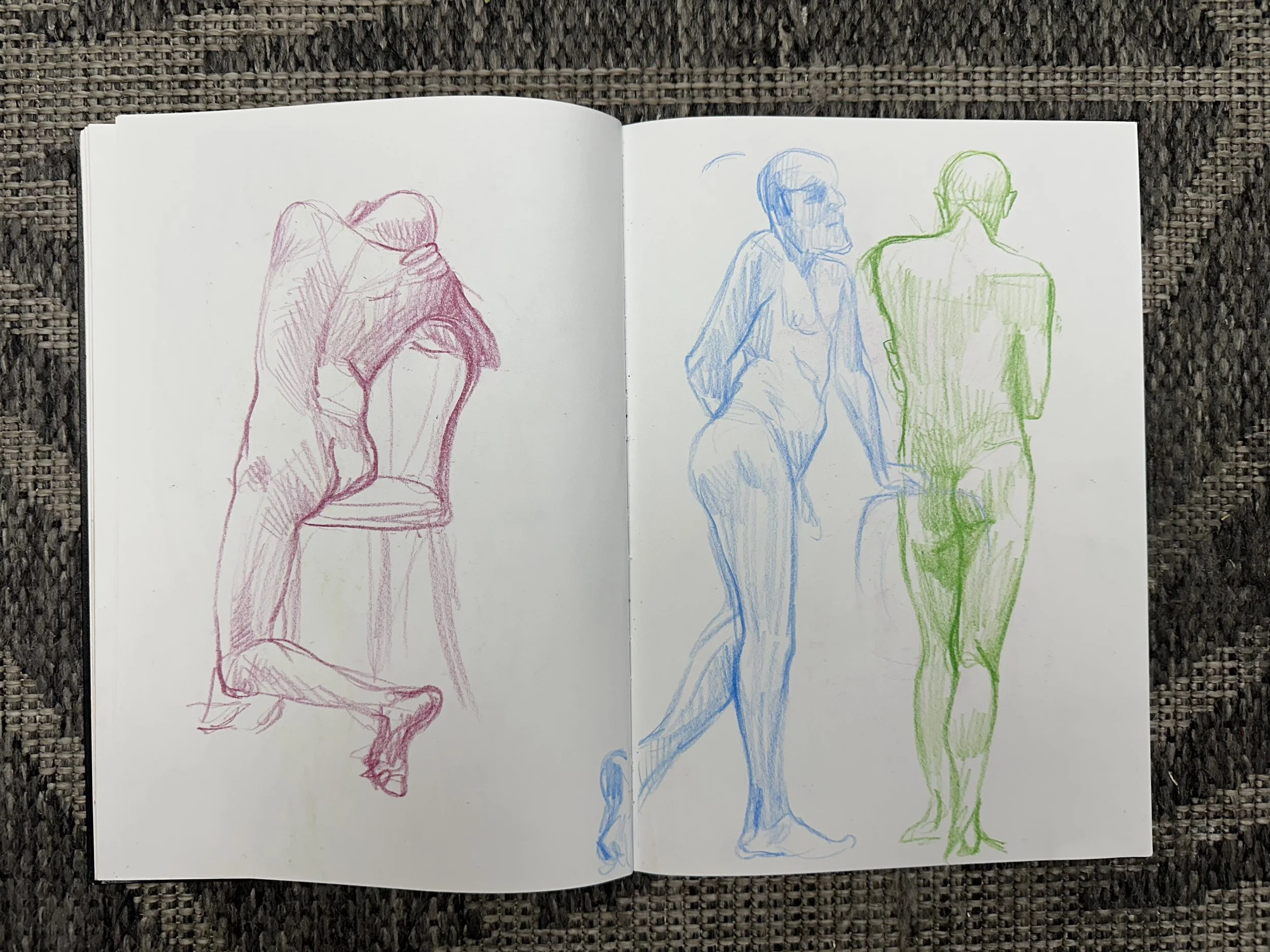
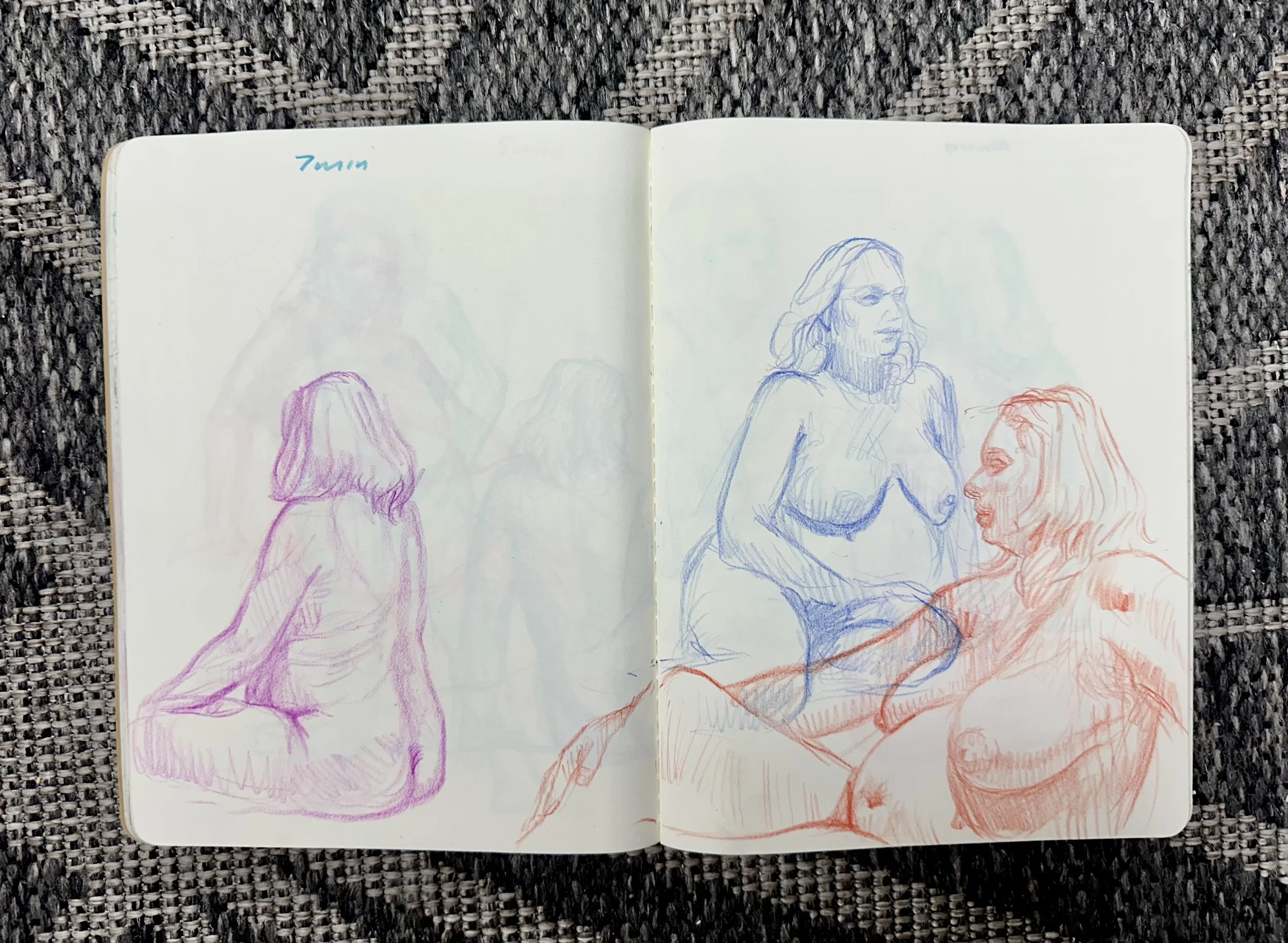
To draw well is to possess confidence, while to draw inadequately is to be creatively crippled. Skill in sketching increases with practice.
Sketchbooks allow artists to strengthen proportions, perspective, anatomy, composition, mark-making, and visual memory without the pressure of creating a finished artwork.
Small improvements made daily accumulate into remarkable growth.
3. To Capture Ideas Before They Disappear
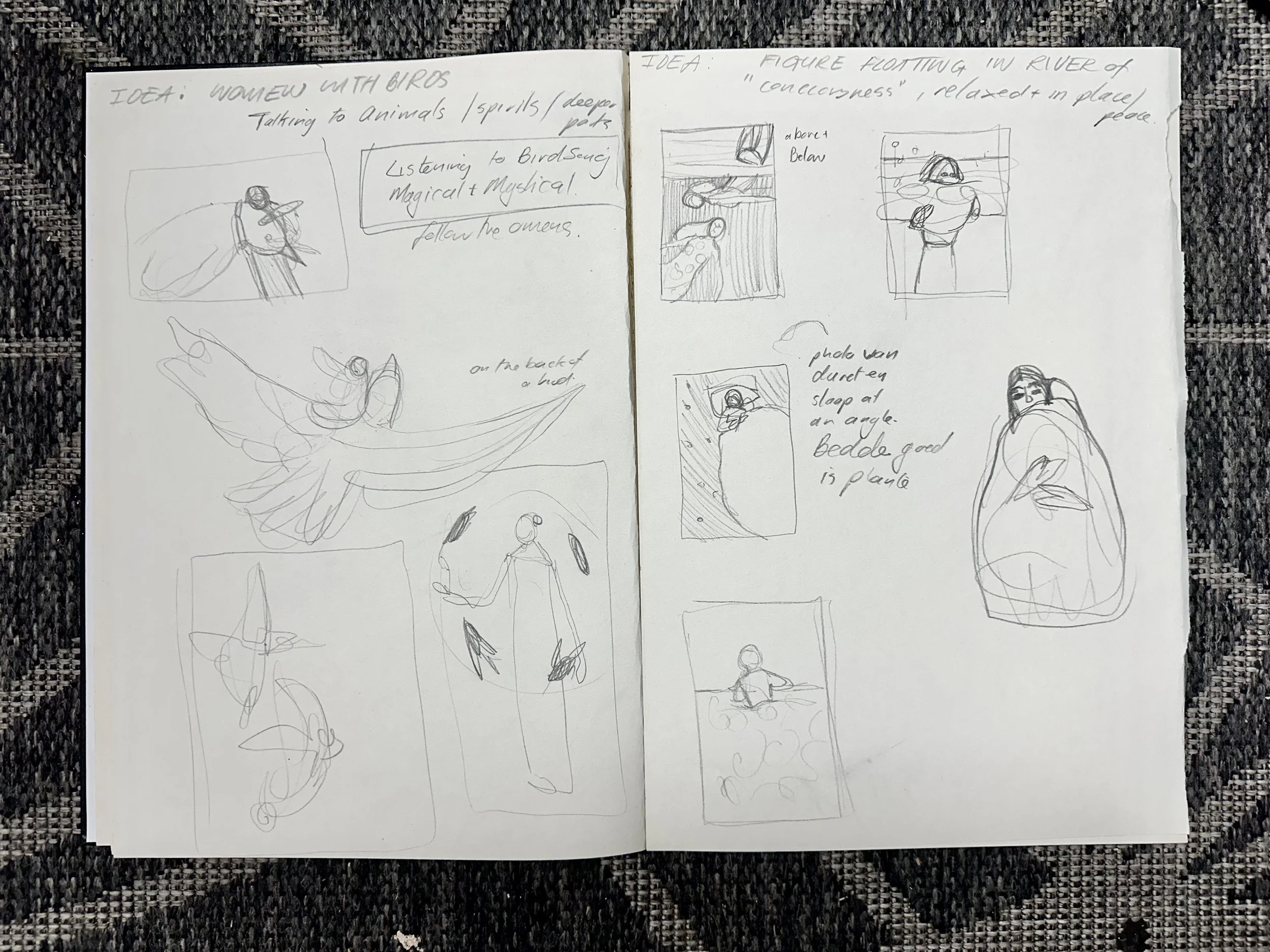
Ideas are fleeting. If you don’t pluck that great idea out of the ether and into a sketchbook, it’s gone!
A sketchbook acts as an external memory where compositions, colour schemes, symbols, and concepts can be preserved for future paintings.
Many celebrated works began as rough notebook sketches.
4. To Explore Thematically and Experiment Without Fear
Because sketchbooks are private, they become places where failure has little consequence. Artists can test new materials, unusual compositions, strange ideas, or impossible colour combinations. Freedom encourages innovation.
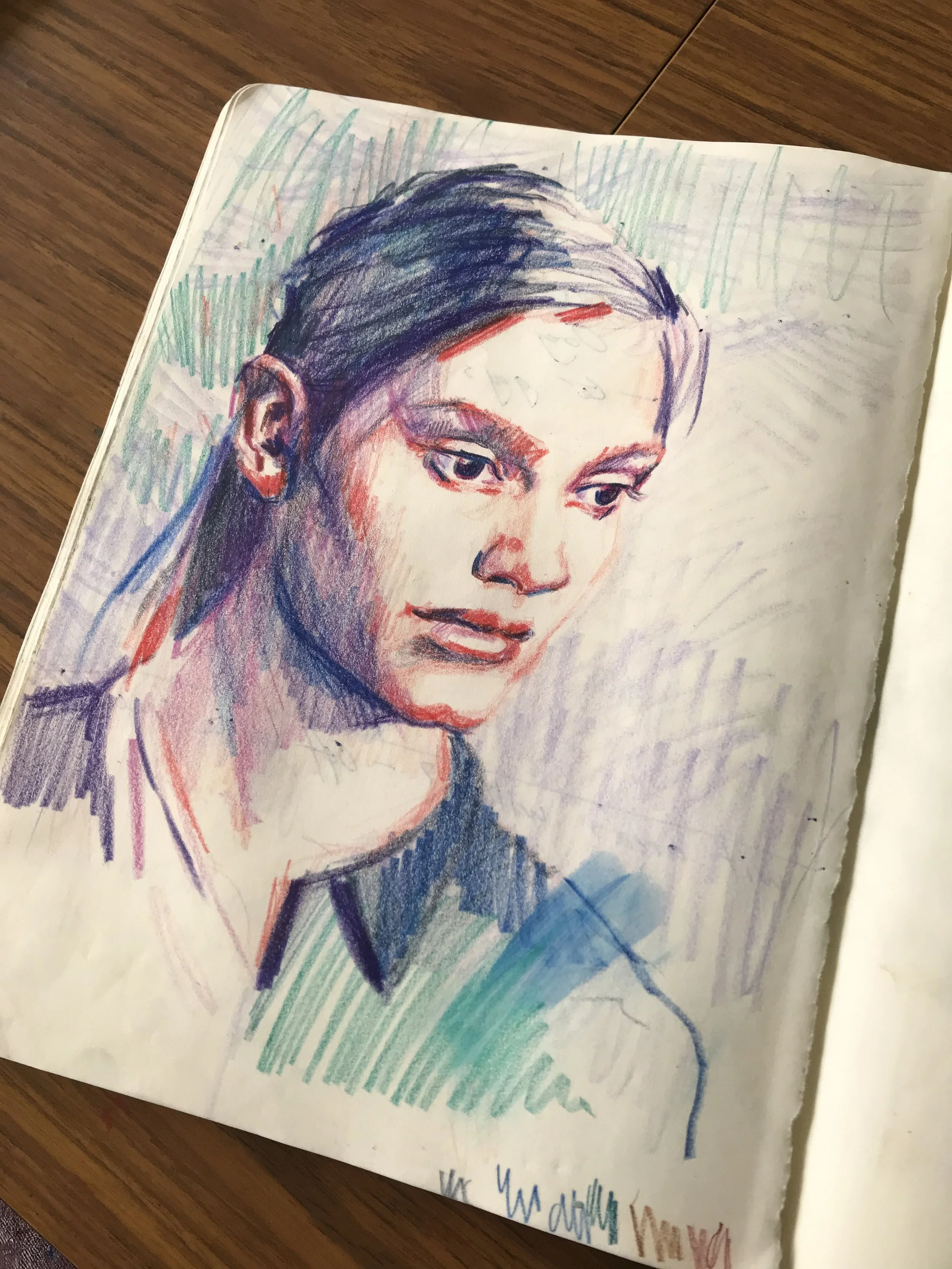
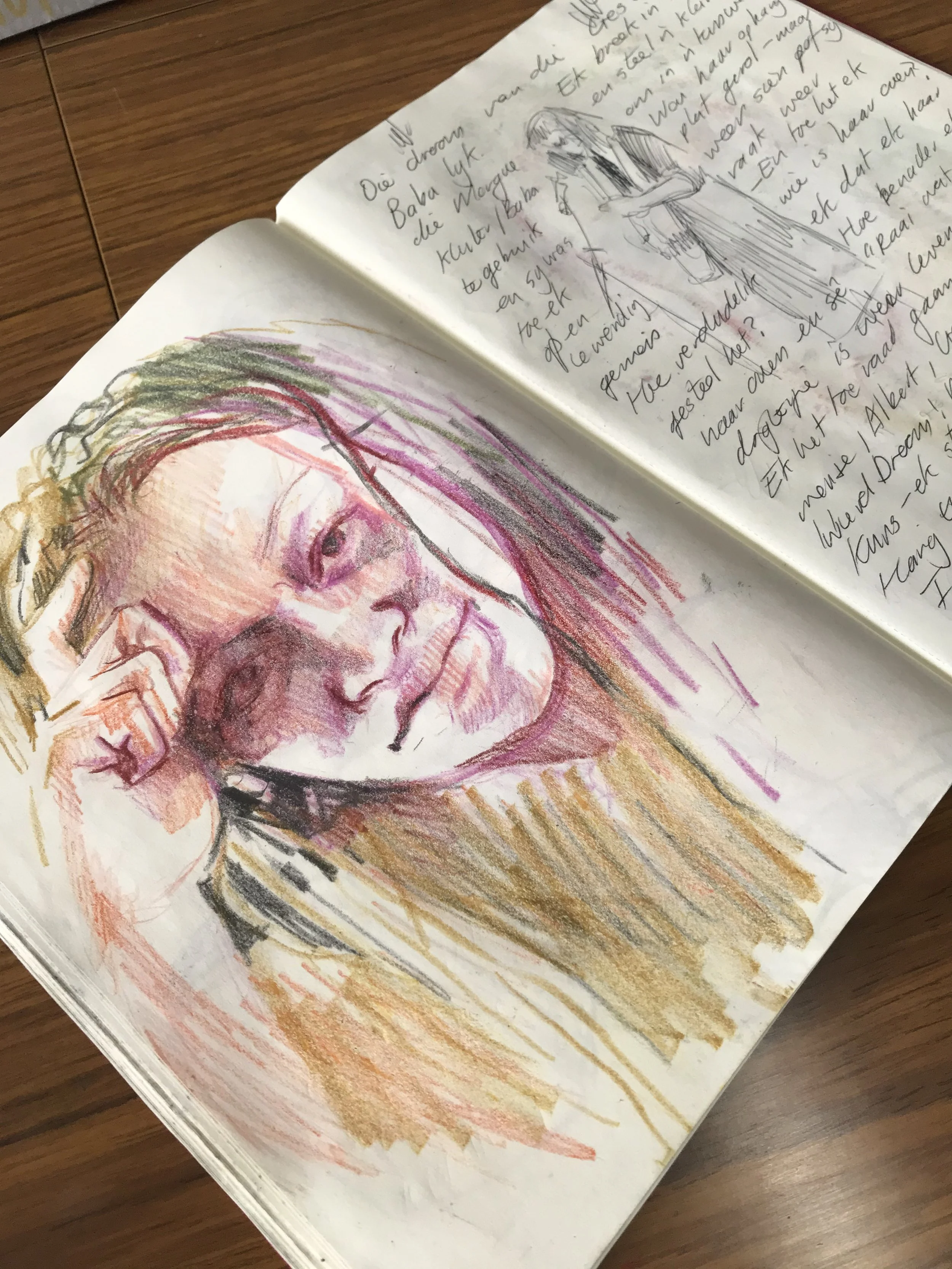
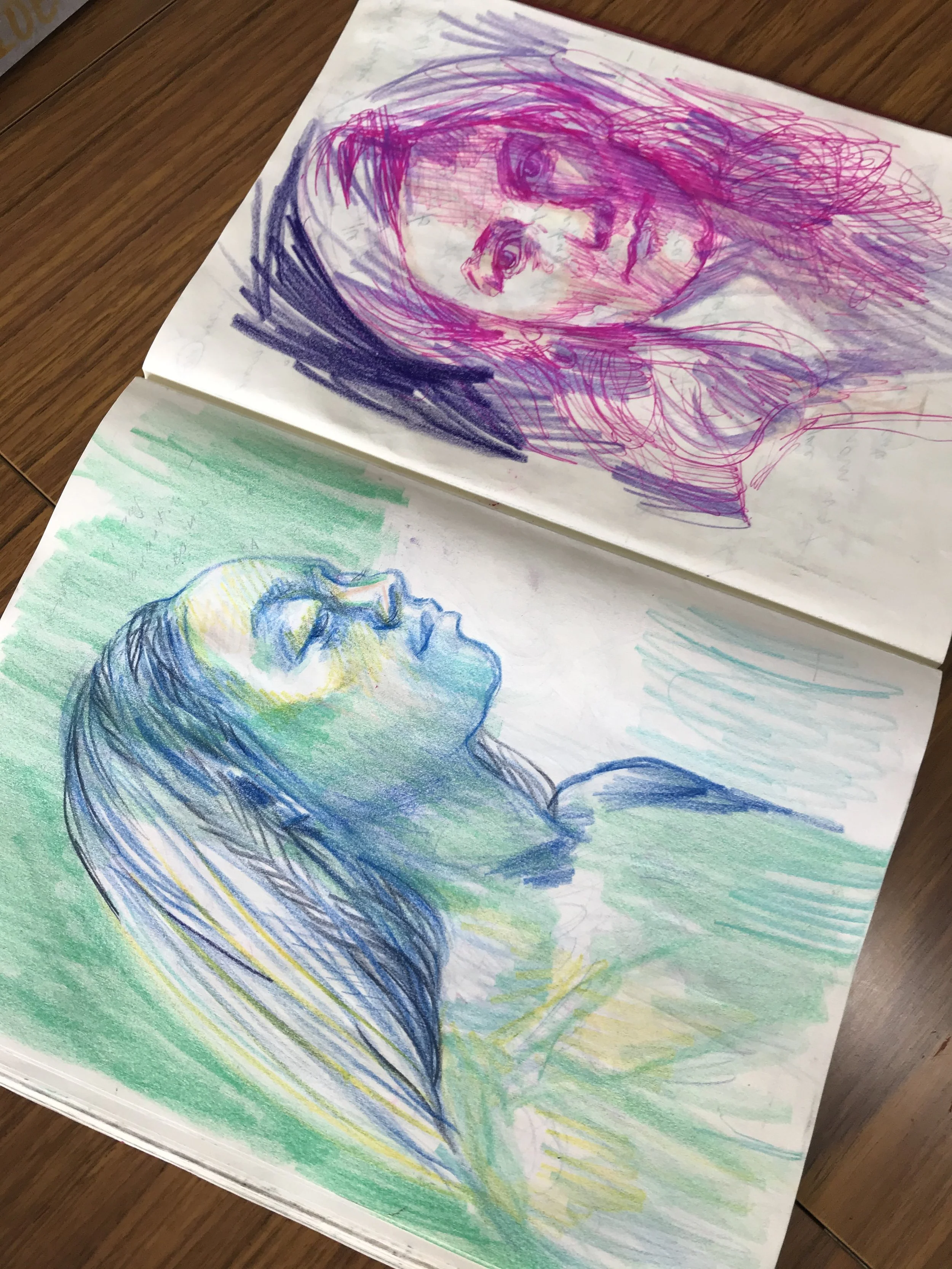
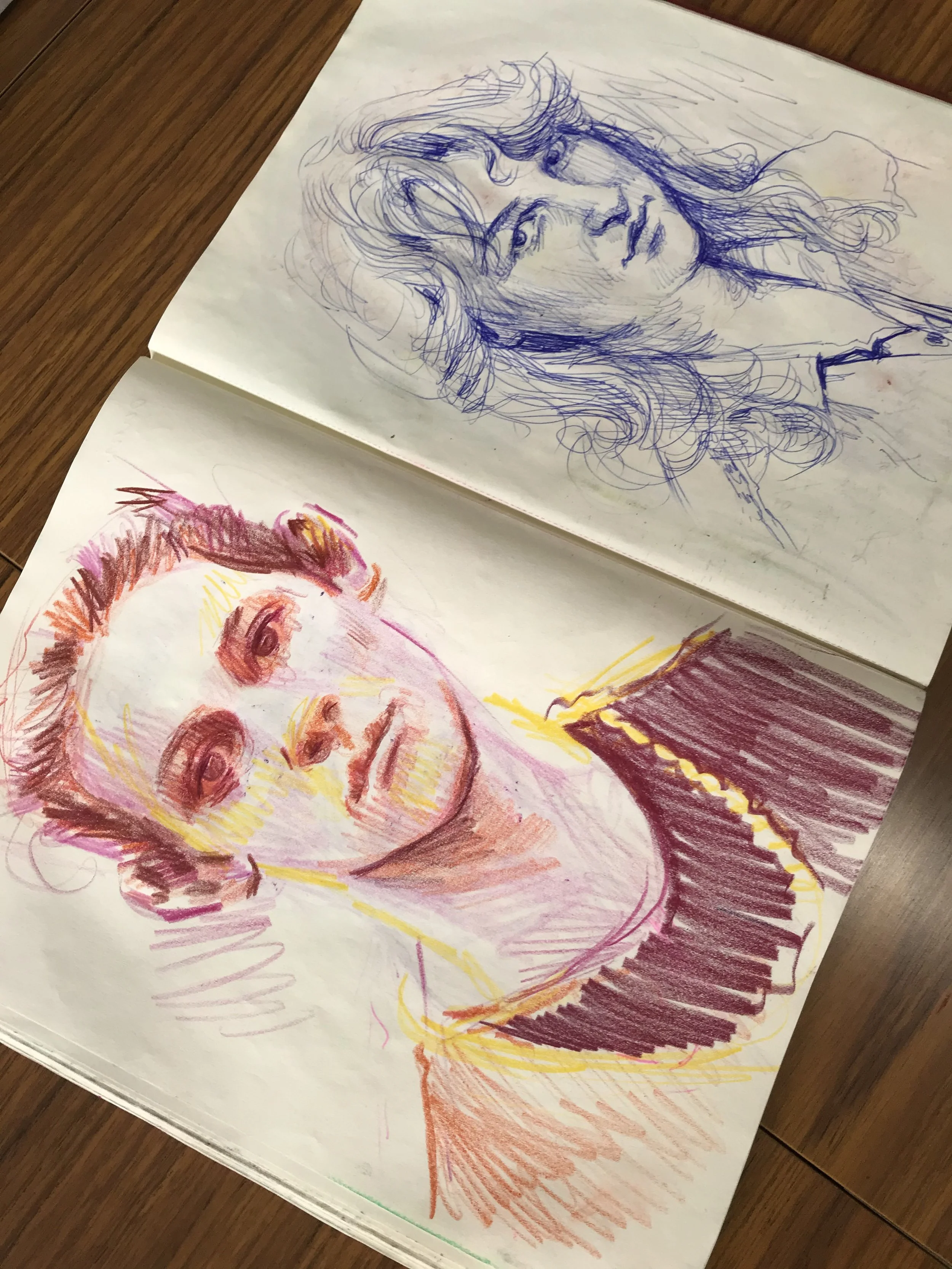
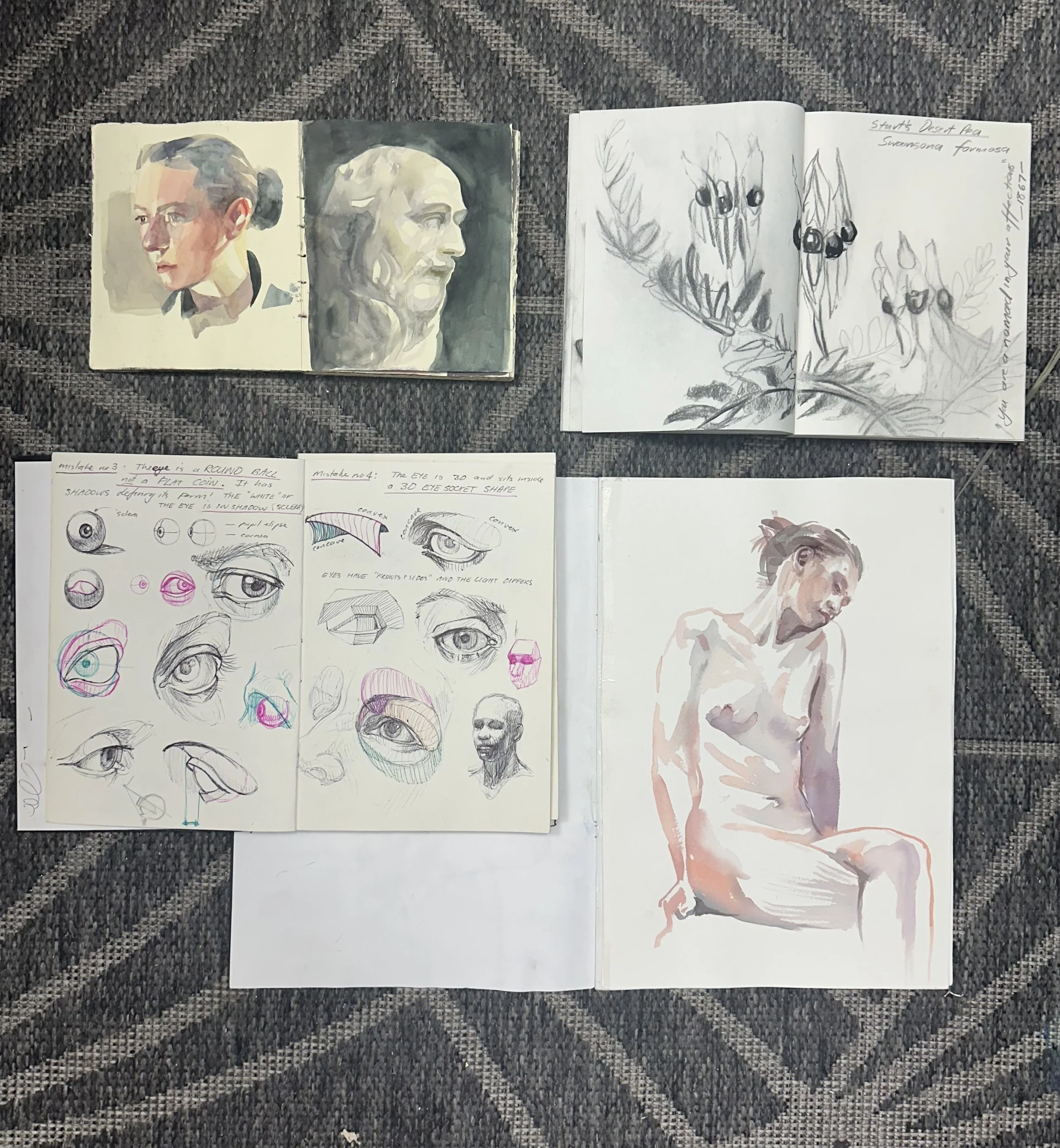
The sketchbook becomes a place where a specific theme or a medium can be separated from other bodies of work and be explored in it’s own ‘universe’ in a very focused way.
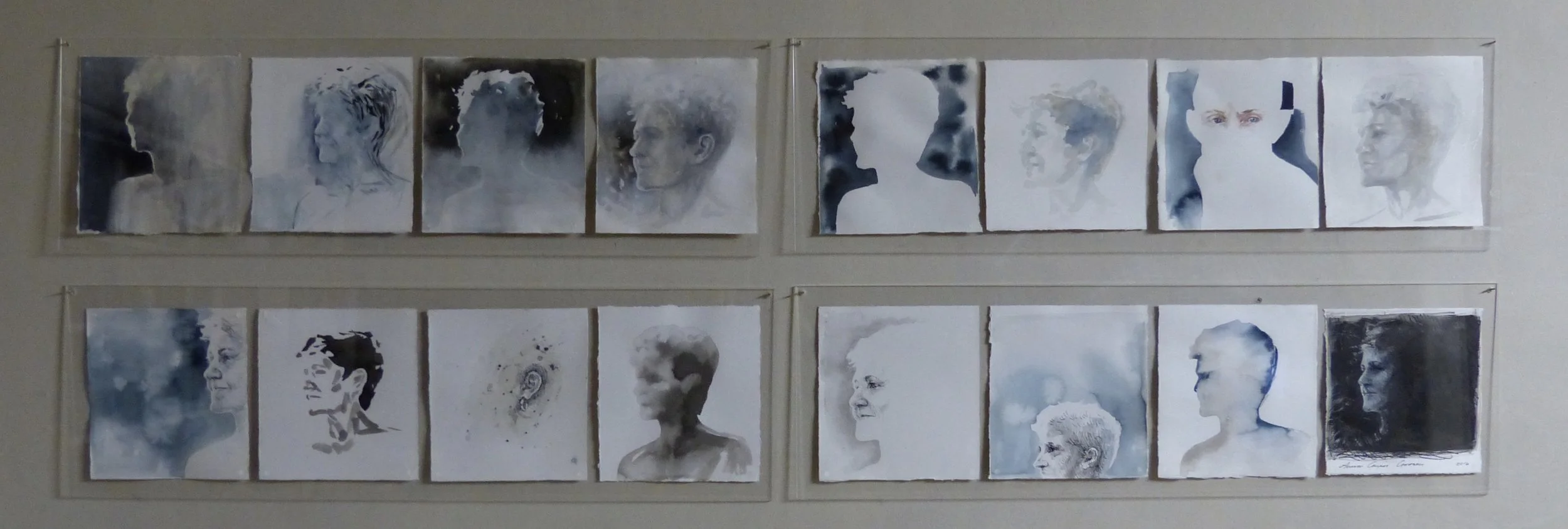
Below are my sketchbooks dedicated to watercolour portraits, Australian natives only in charcoal, facial features in ball point pen, and large life drawings in watercolour.
5. To Develop a Personal Visual Language
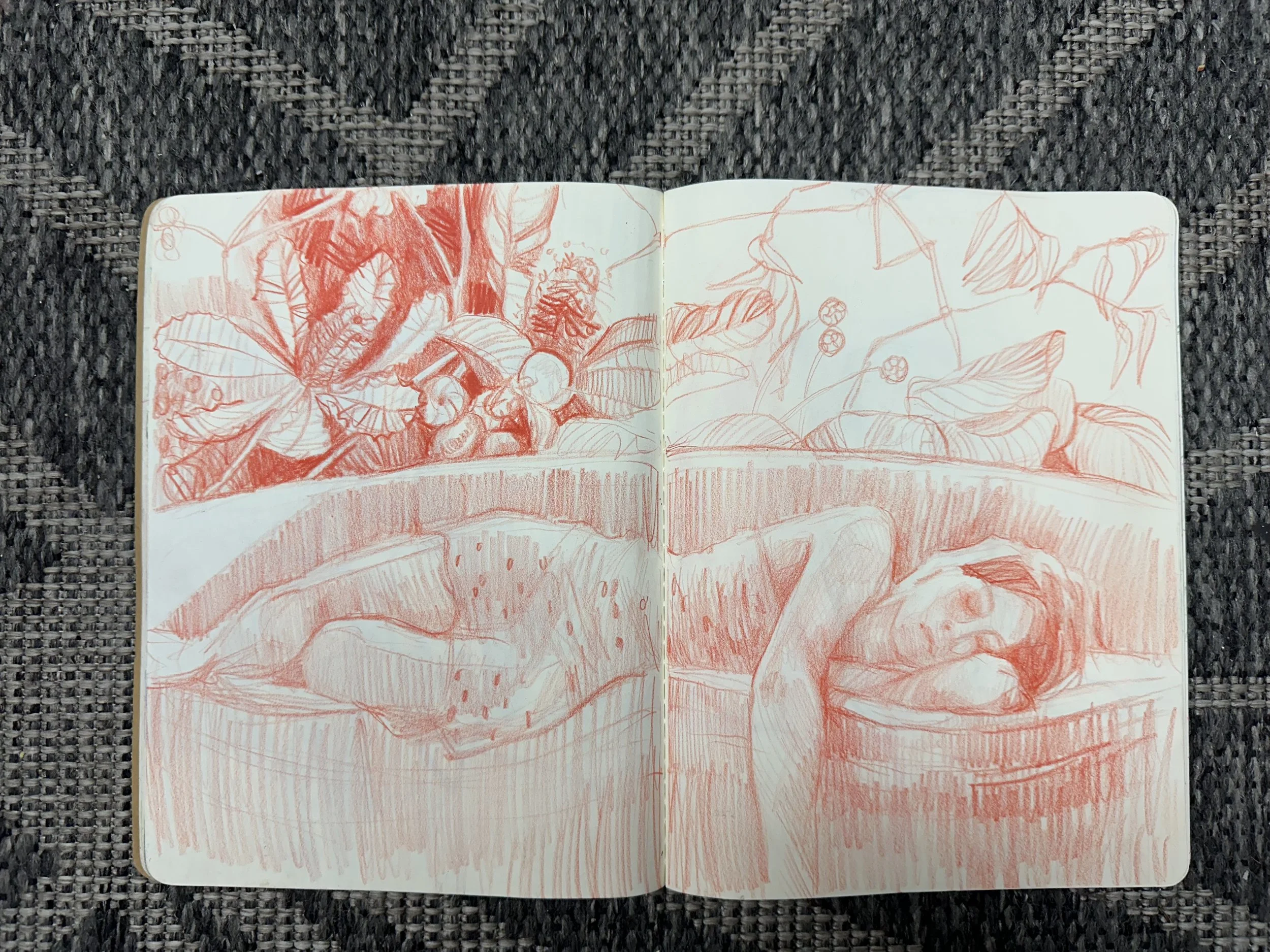
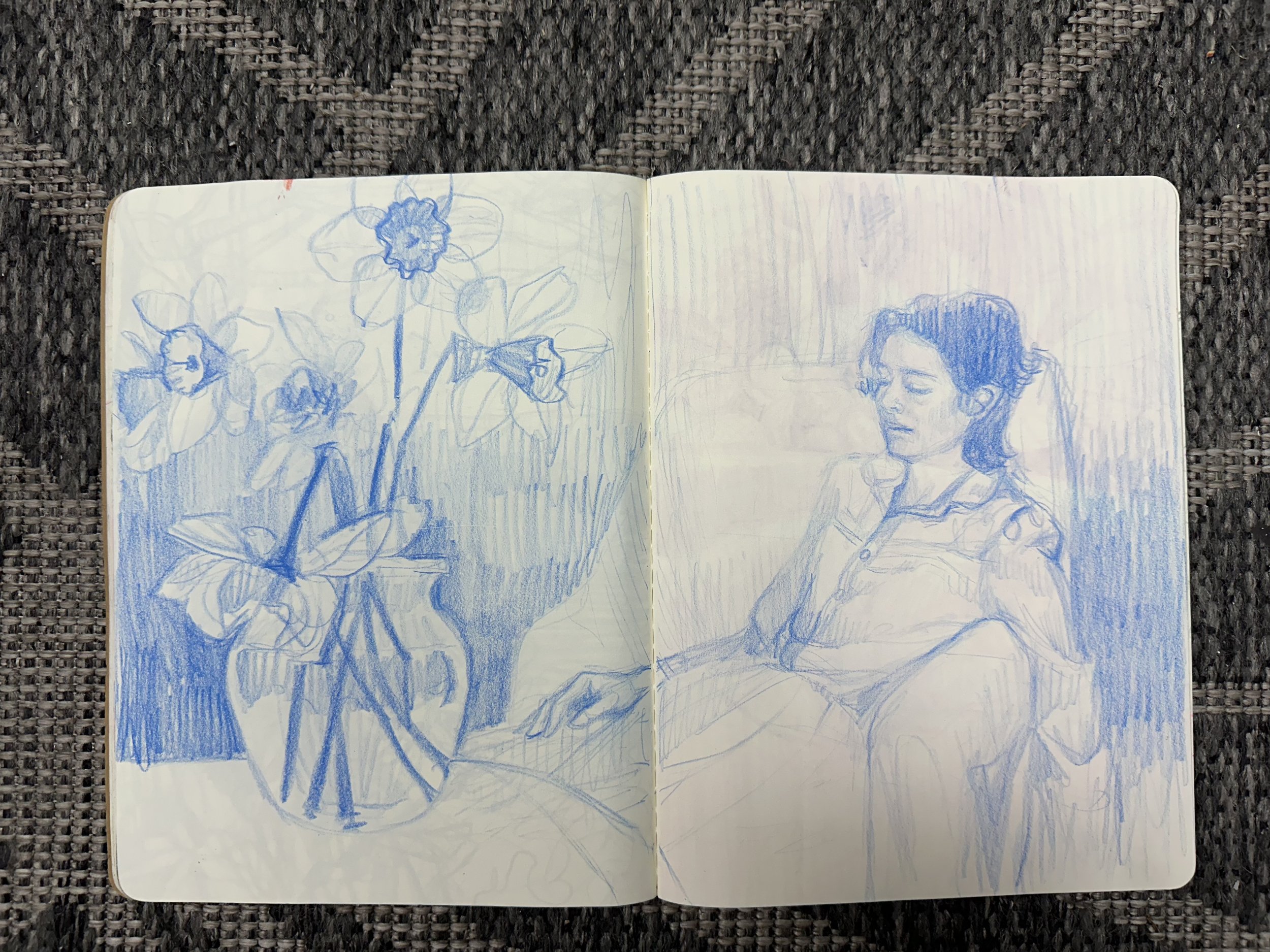
There is much more of an artist in a sketch than in a painting that is worked to completion. Sketchbooks capture the very soul and spirit of the artist , delineated on page.
Repeated drawing reveals recurring interests—certain shapes, symbols, plants, figures, or ways of making marks. Over time these become part of an artist's unique visual vocabulary.
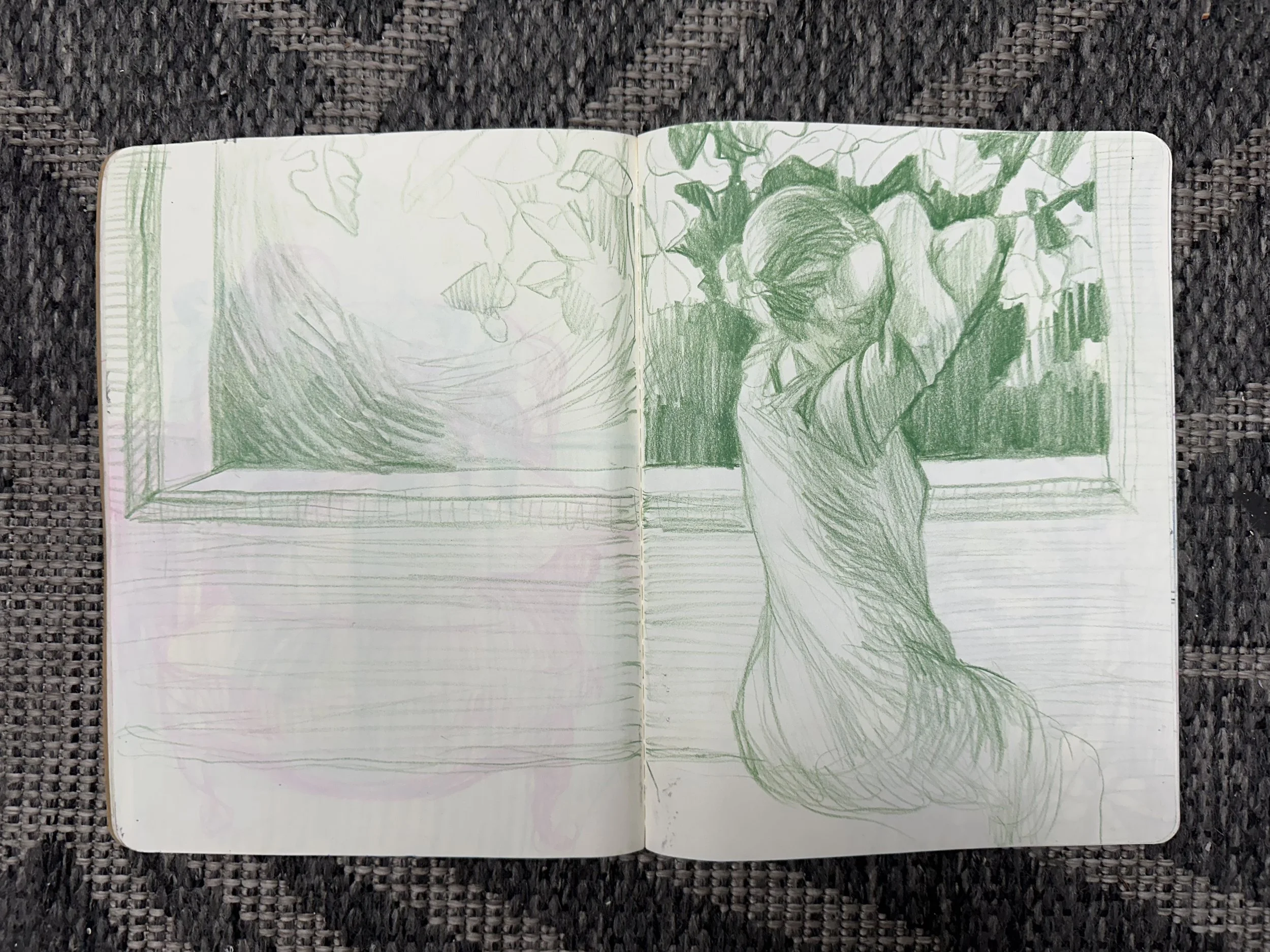
Key elements in your artistic journey are often discovered on paper, rather than coldly ‘calculated’.
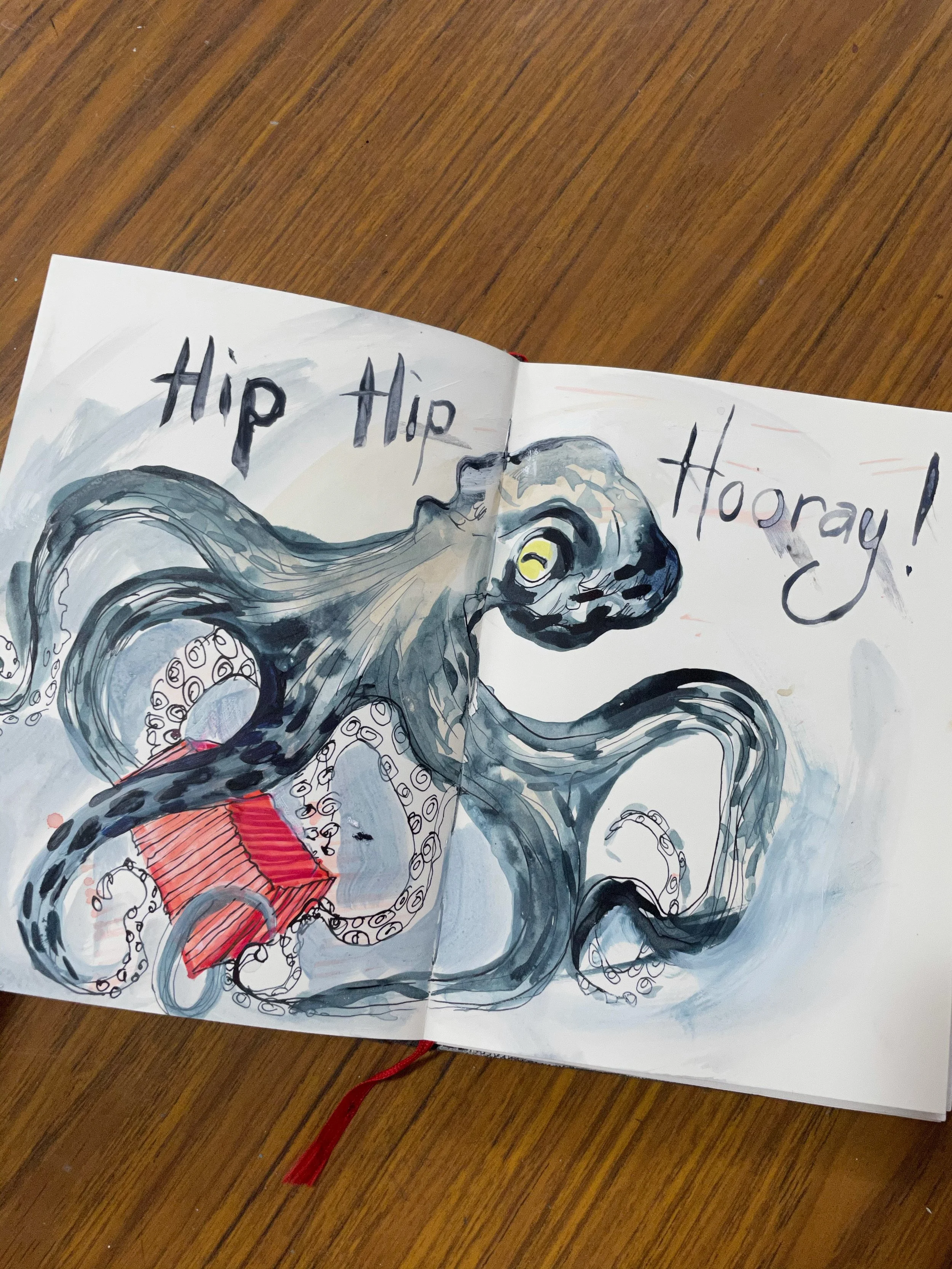
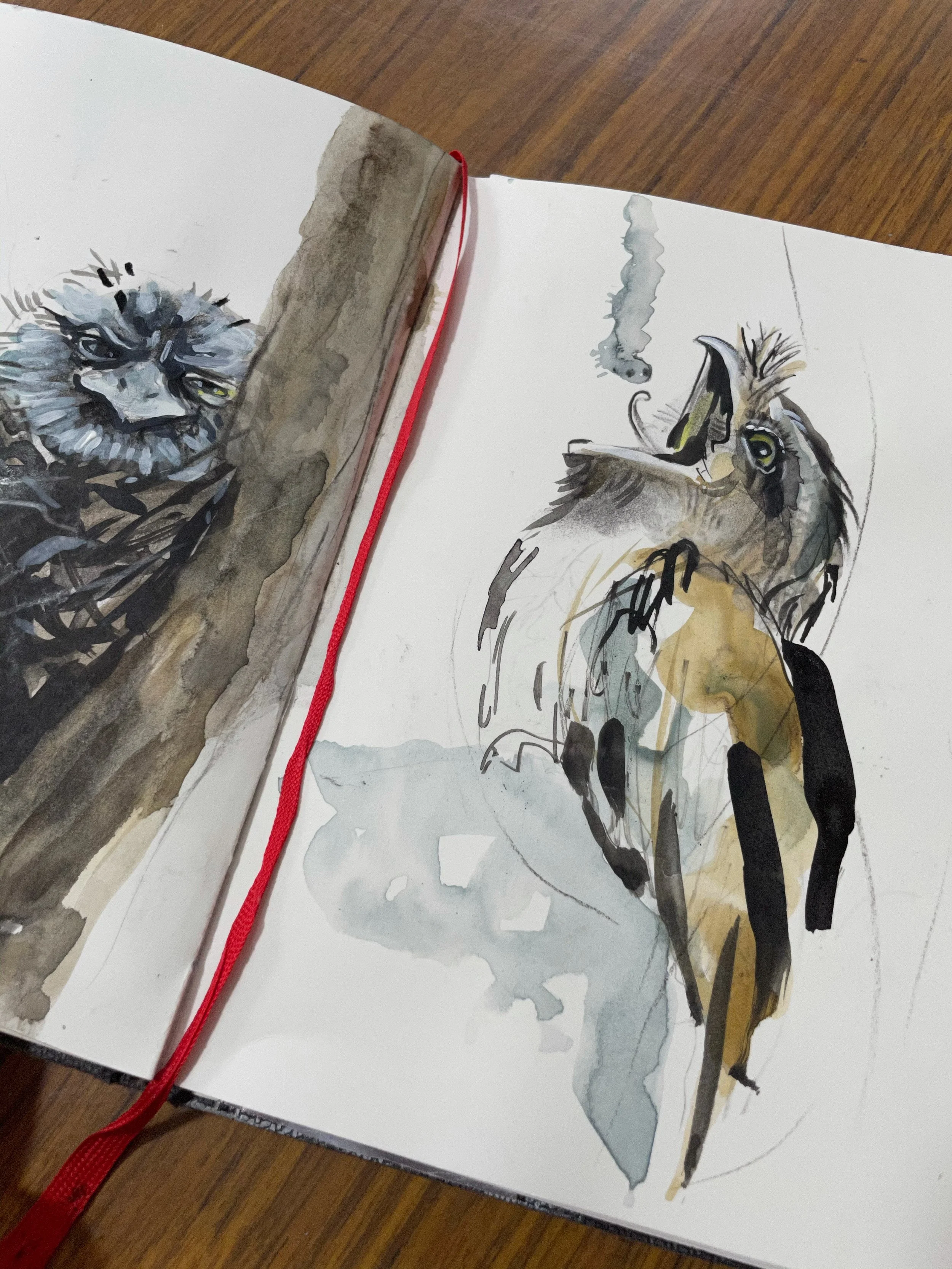
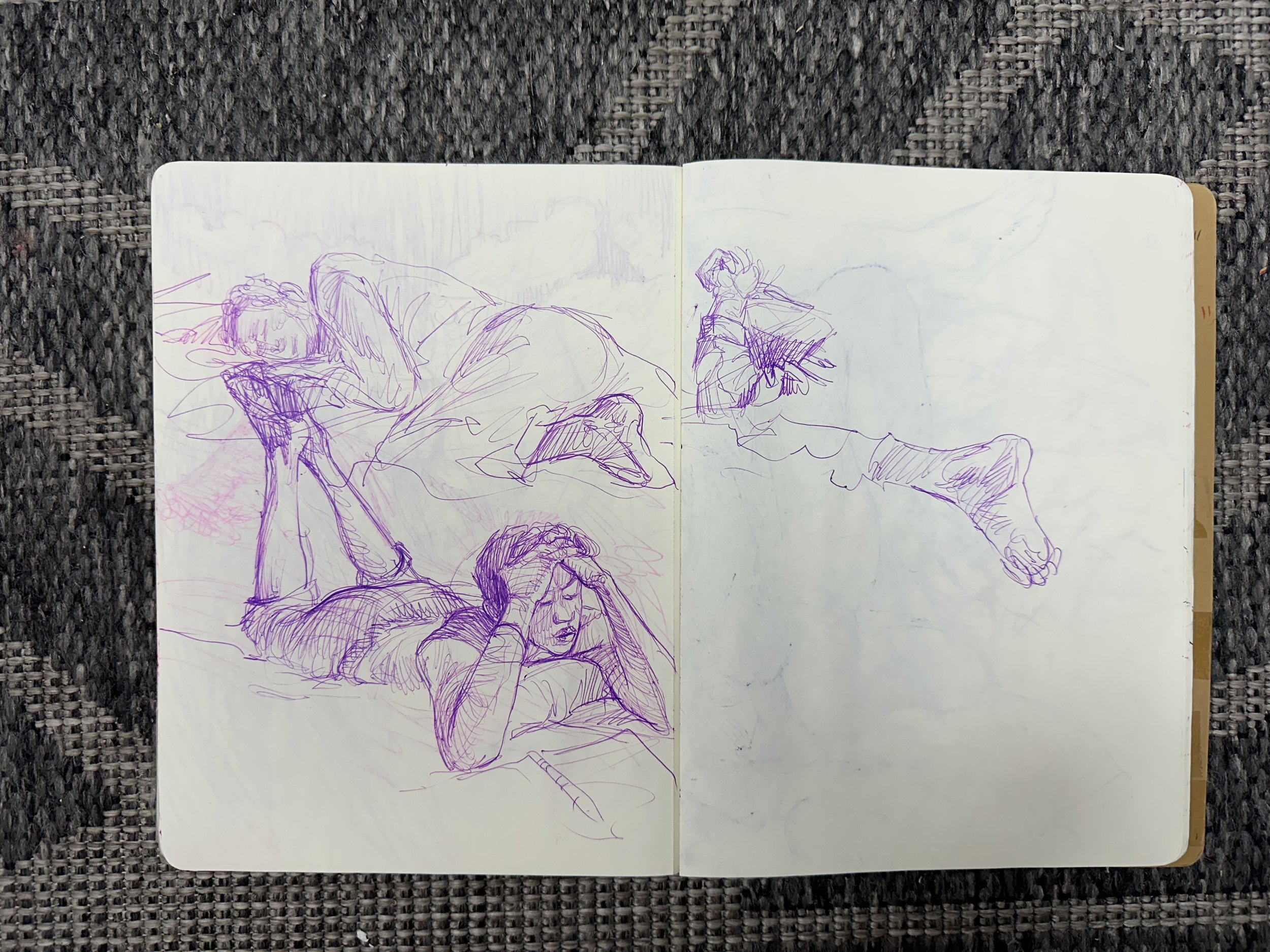
Below are recent diary entries showing a theme developing spontaneously.
6. To Record Life
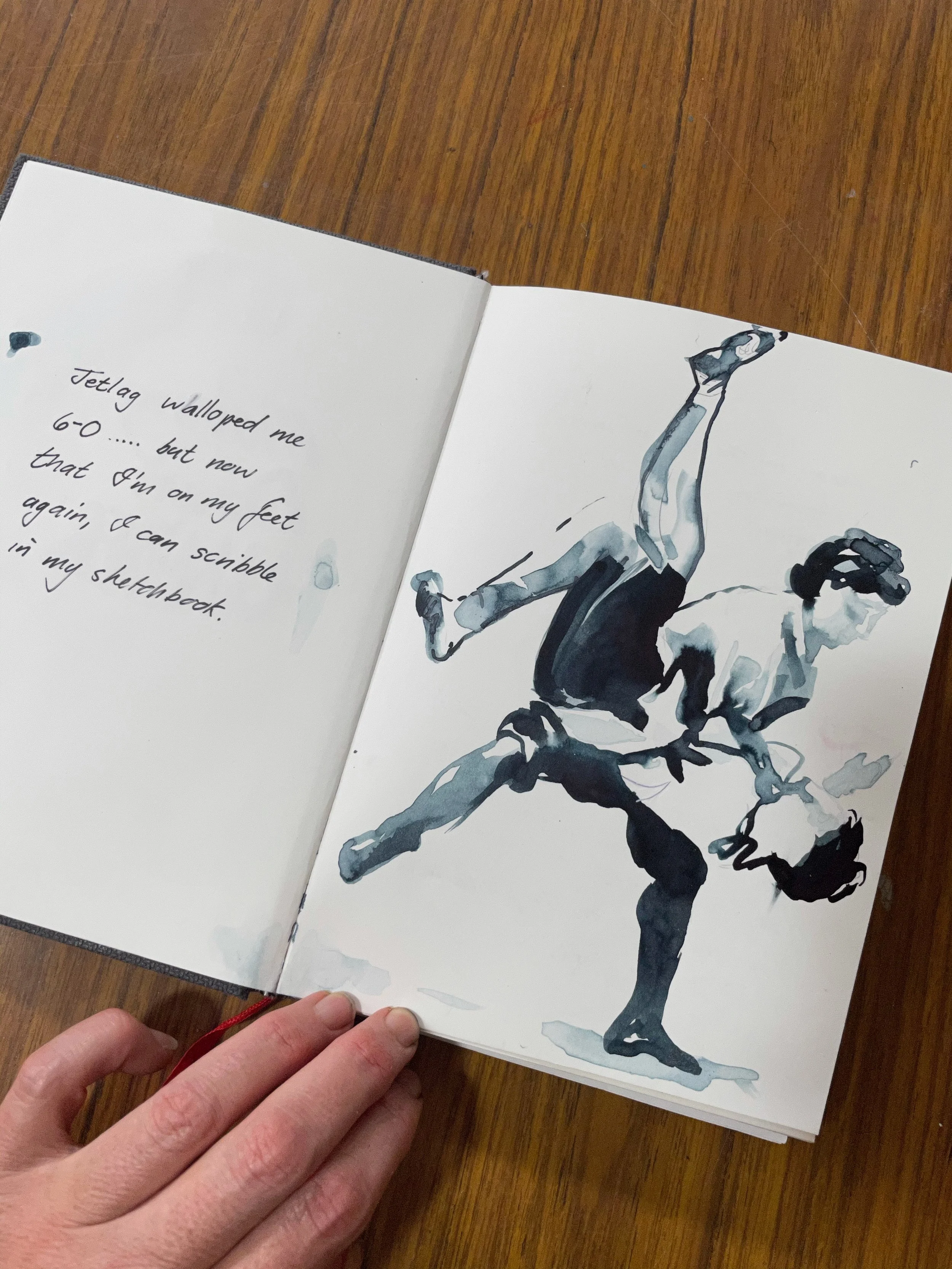
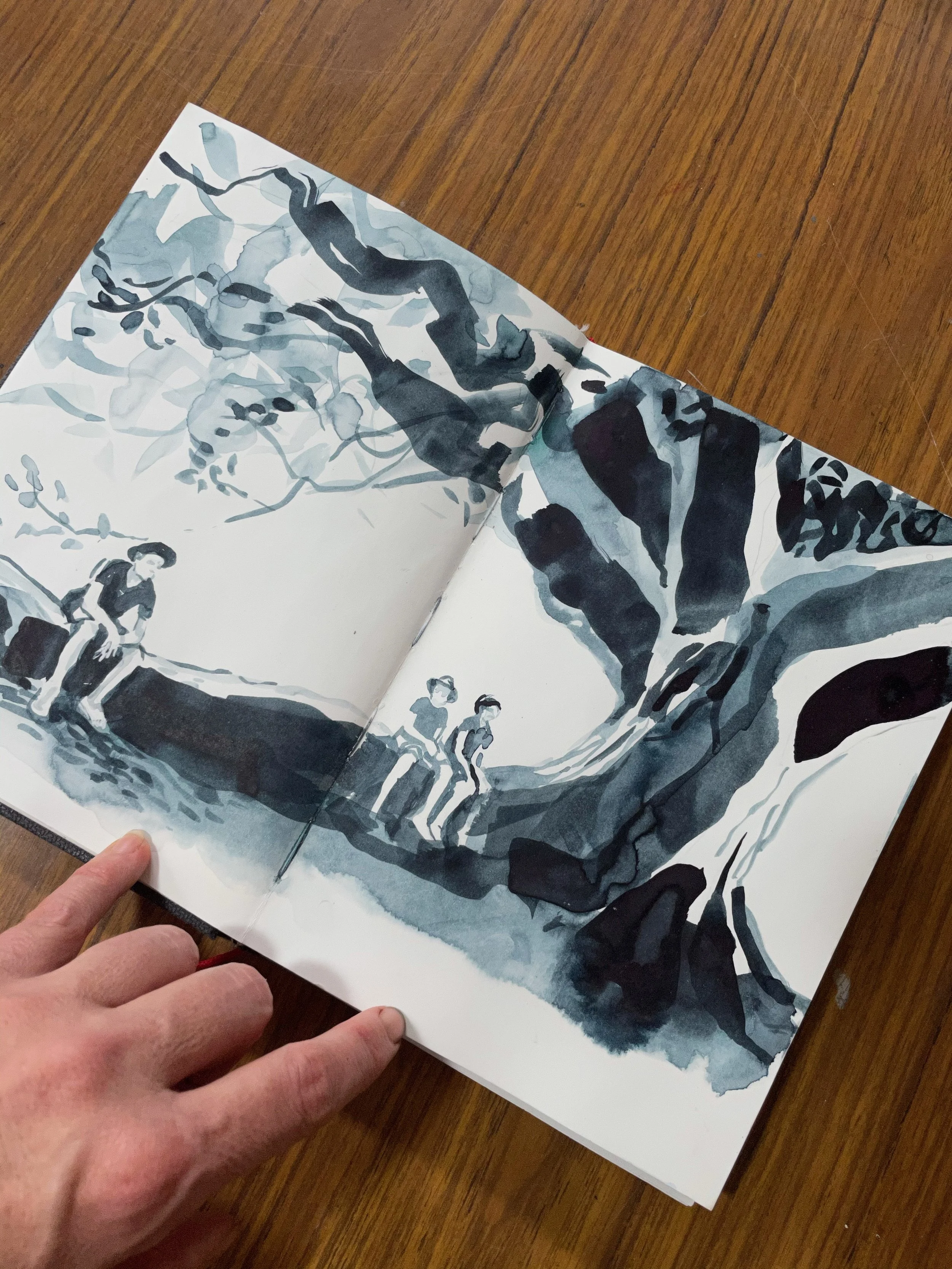
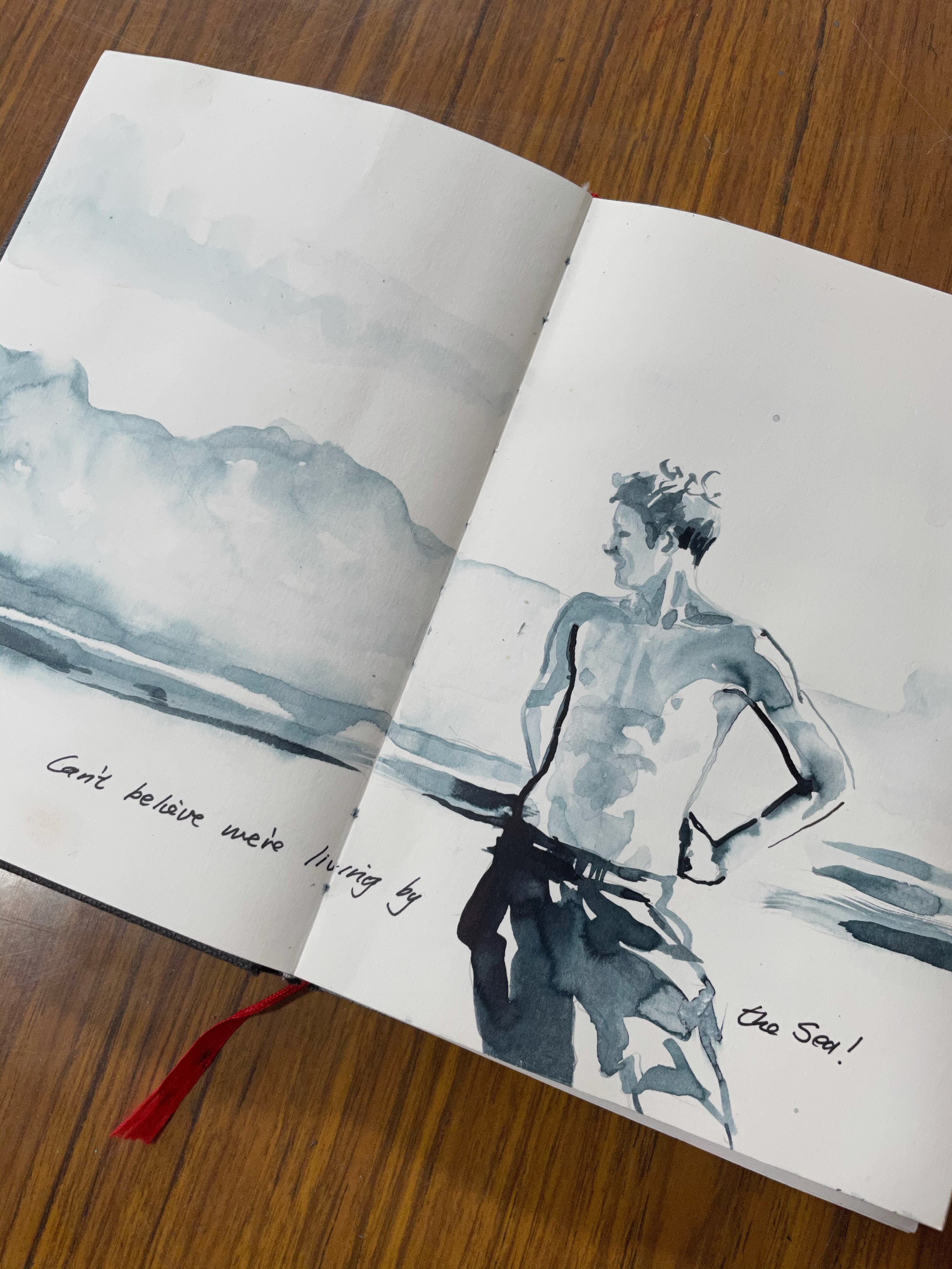
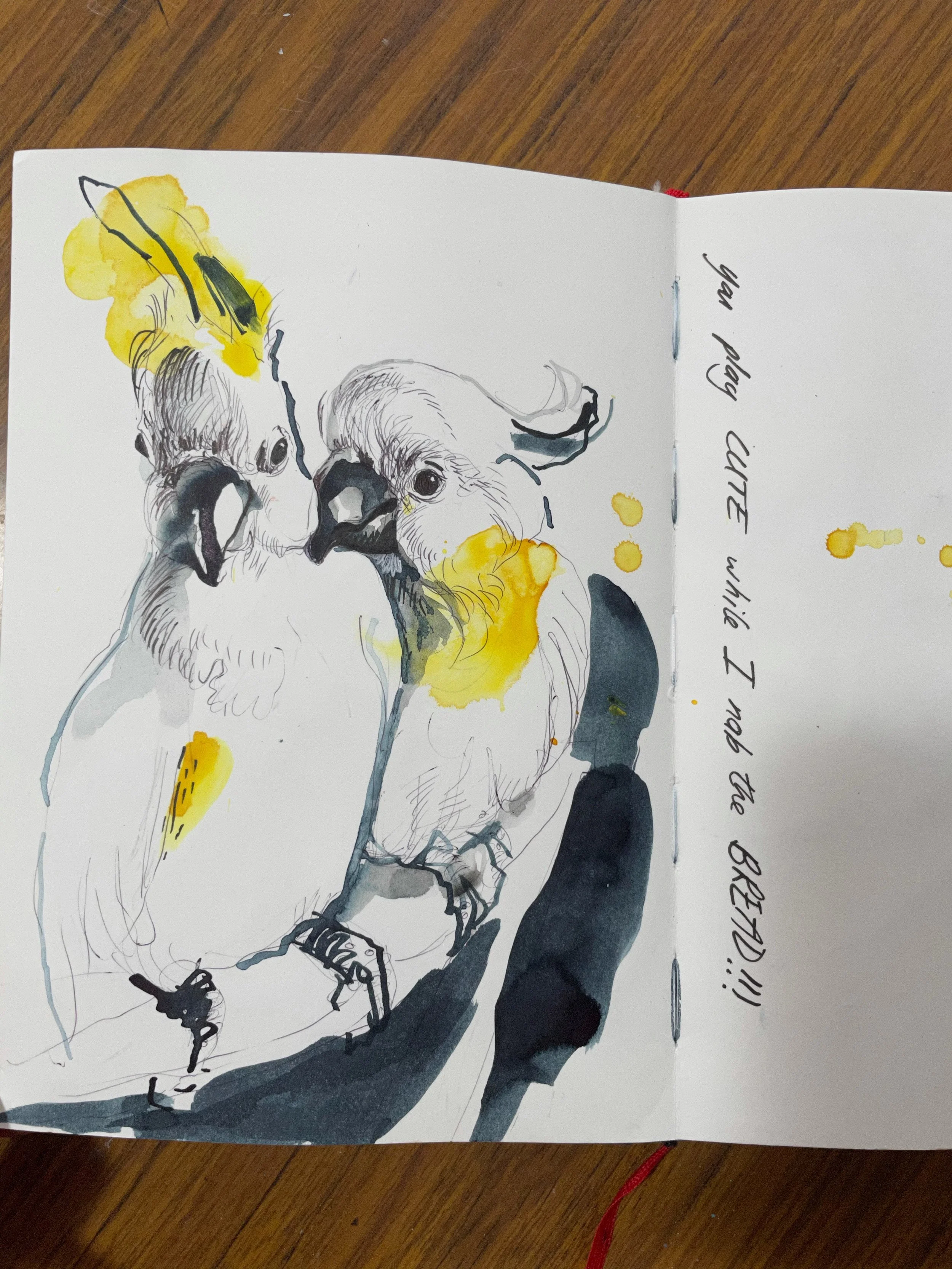
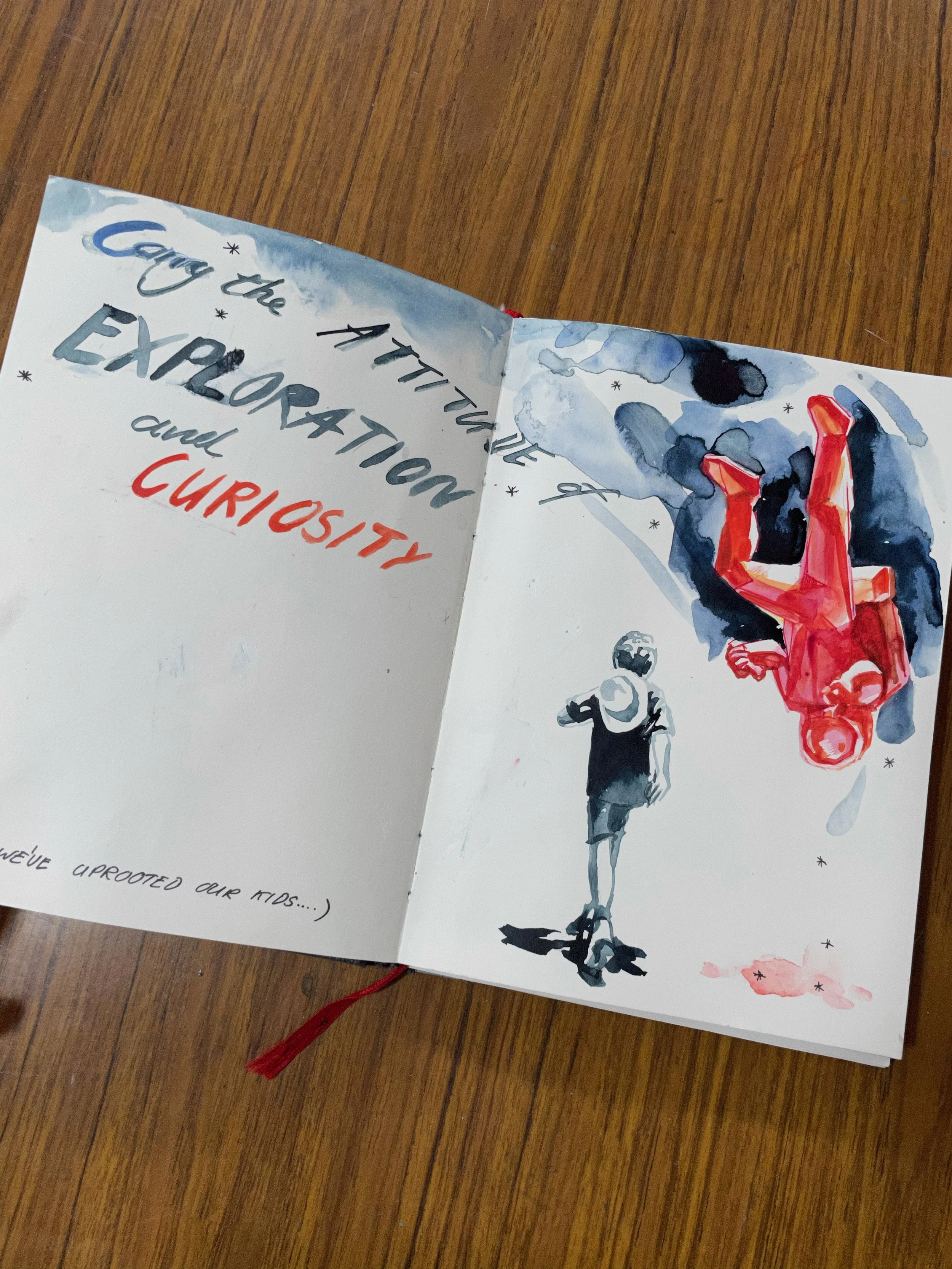
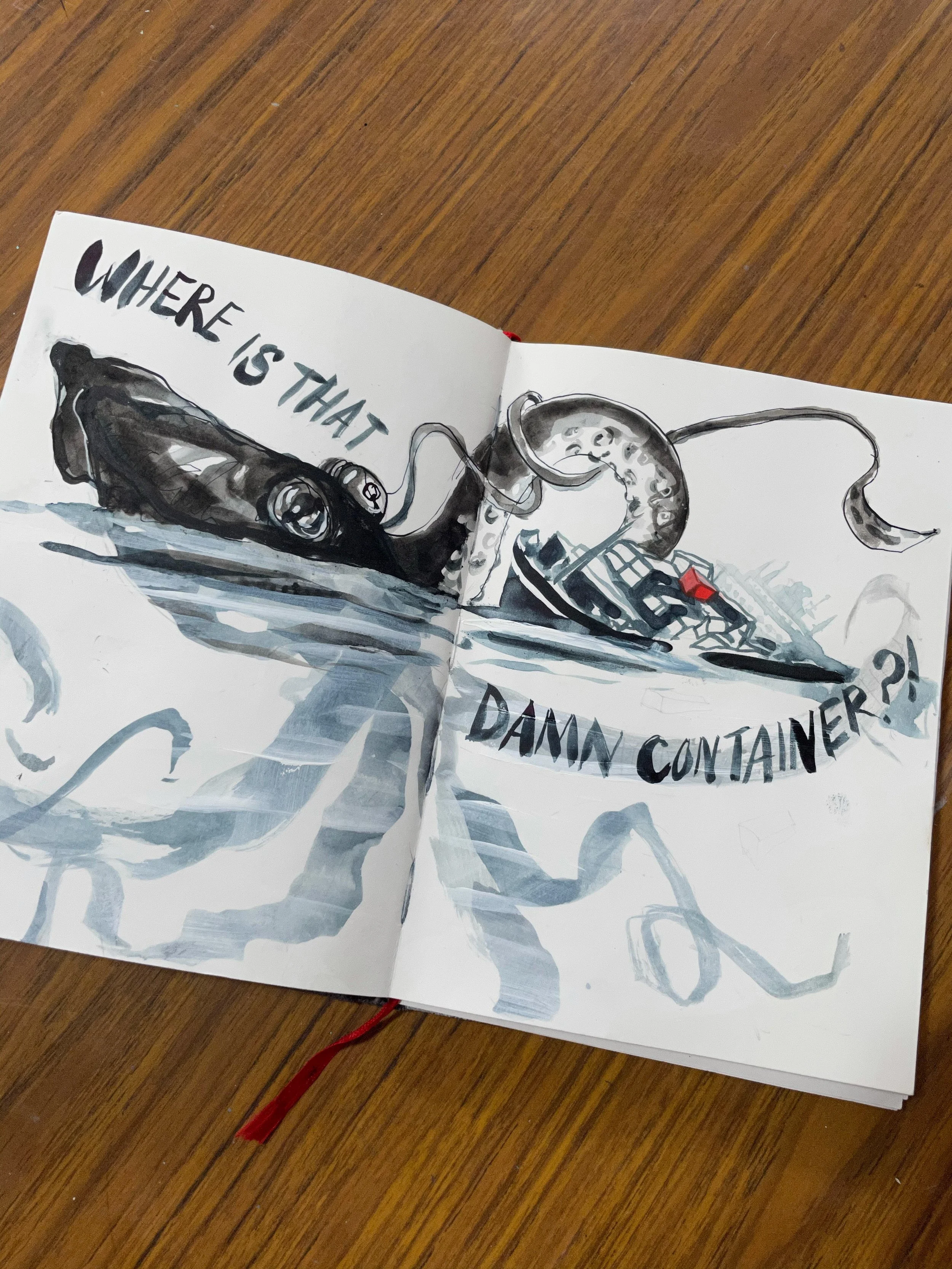
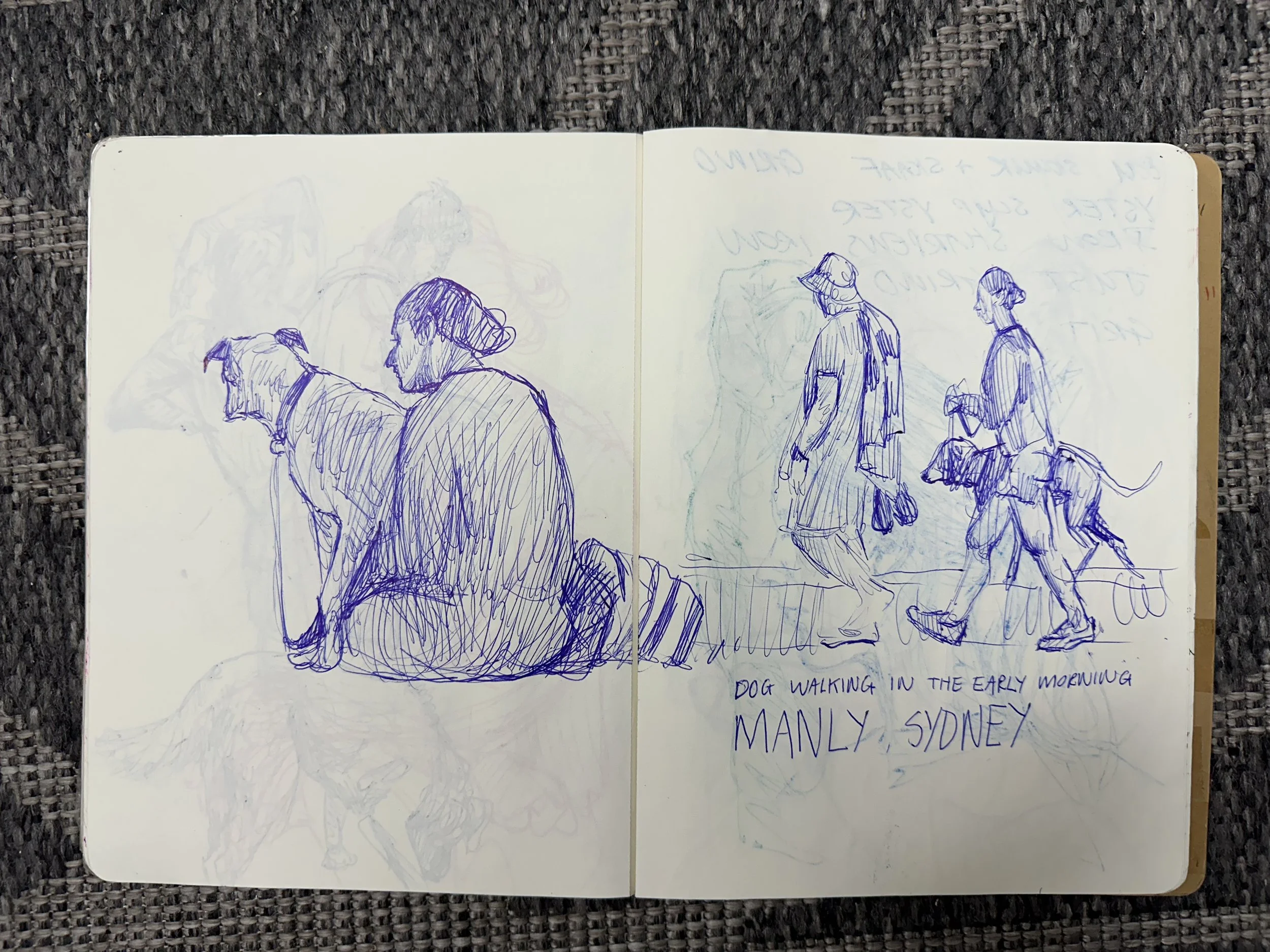
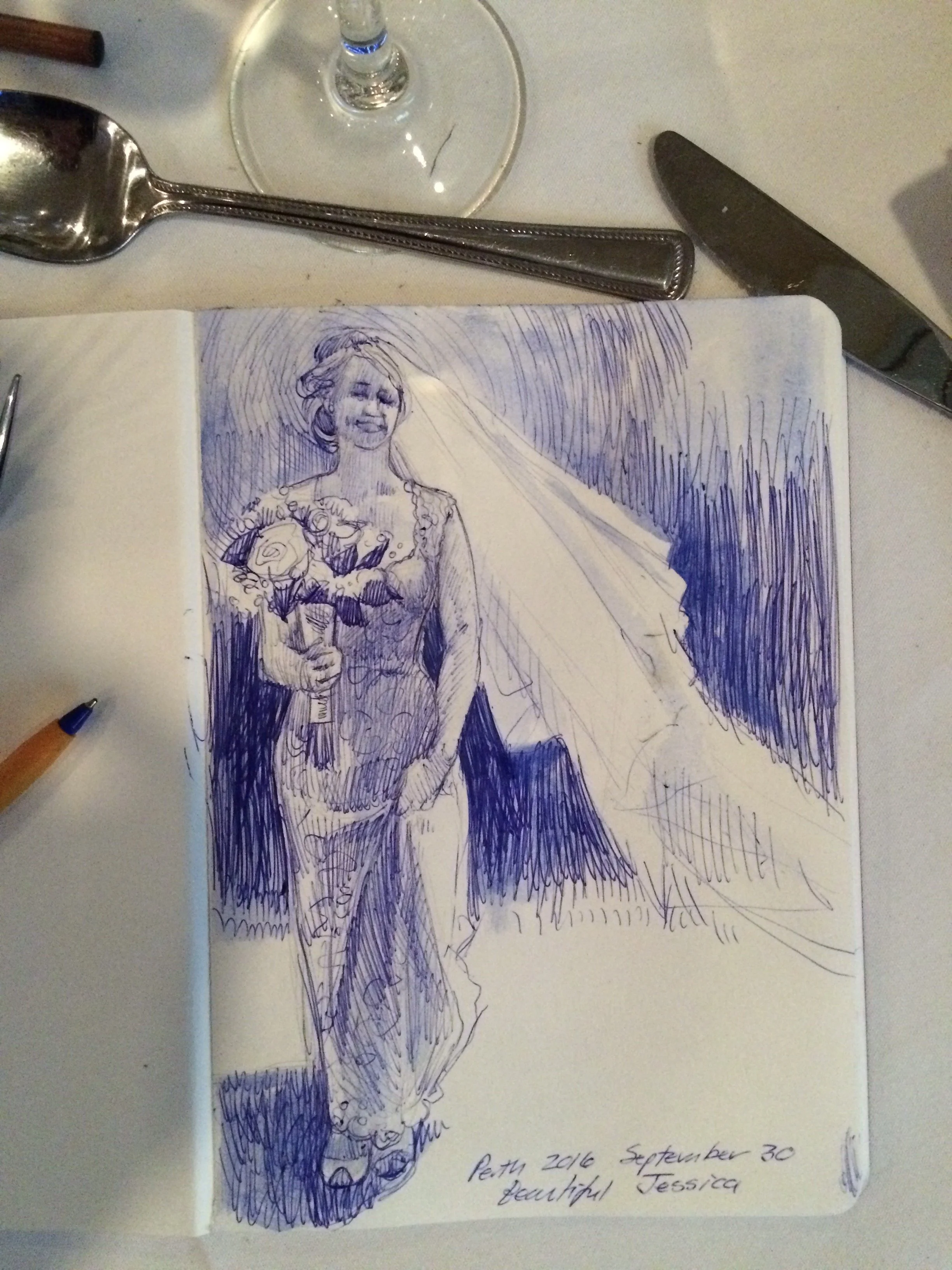
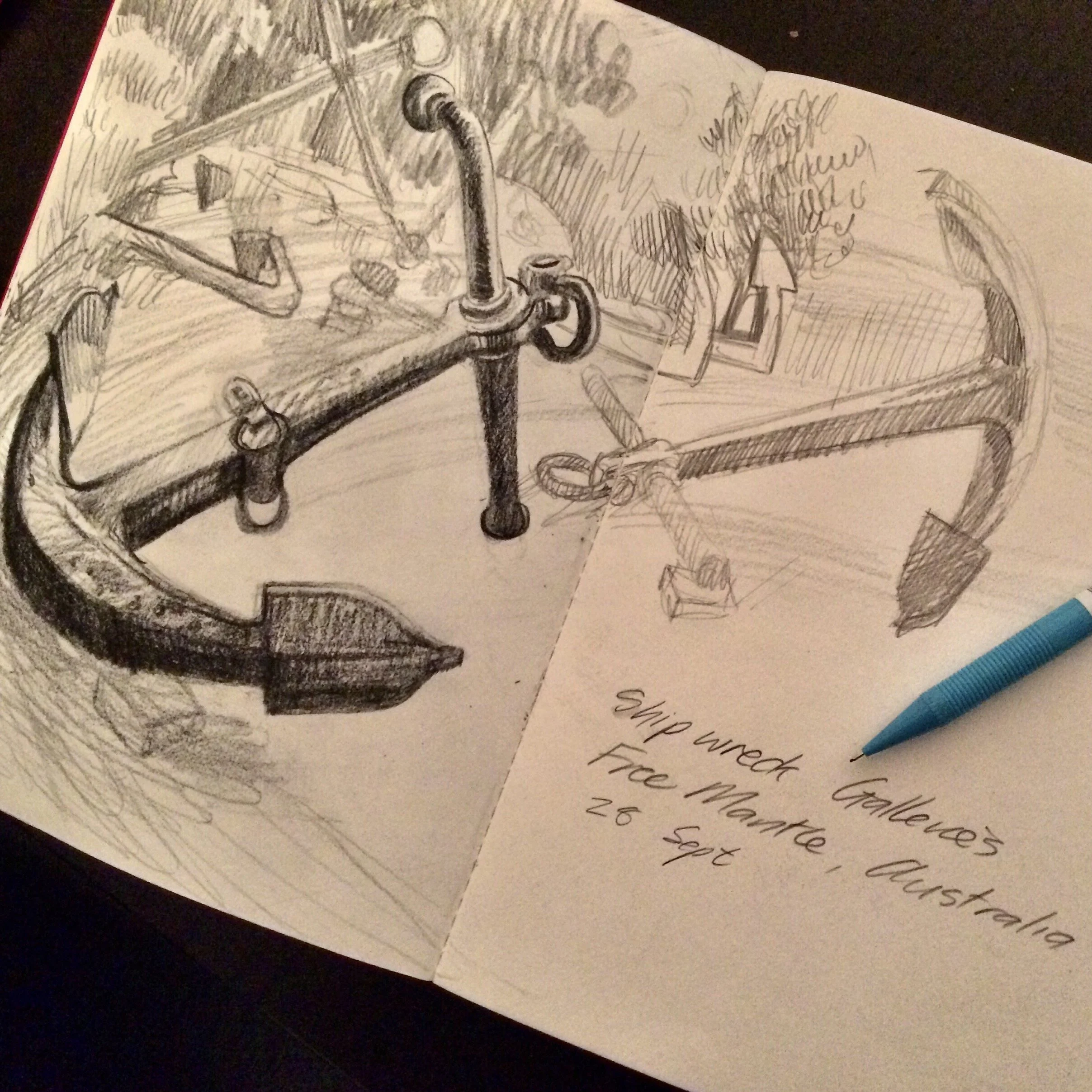
Did you ever notice that artists do not usually want to part with or sell their drawings and sketches? They are way to personal! For me, sketchbooks become visual diaries with snapshots of my life and transport me back in time when I open them again.
Expressed in a sketchbook are the personal confrontations with subjects, the personal responses to places, a personal shorthand way of expressing what the artist sees and feels.Rather than simply documenting events, they preserve moments of attention and these observations also become the emotional foundation of later work.
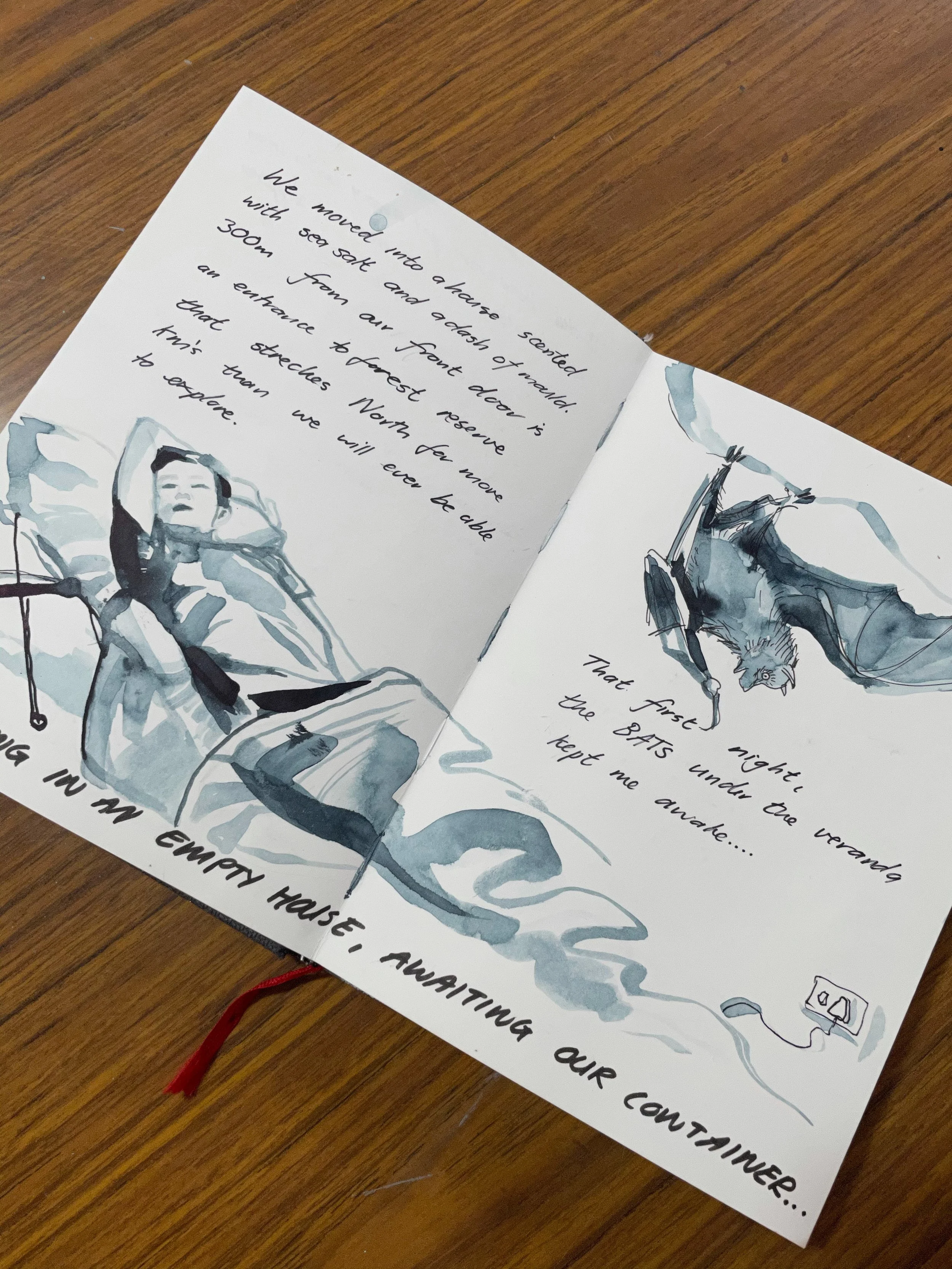
Below is the diary I made when we immigrated to Australia.
7. To Solve Problems
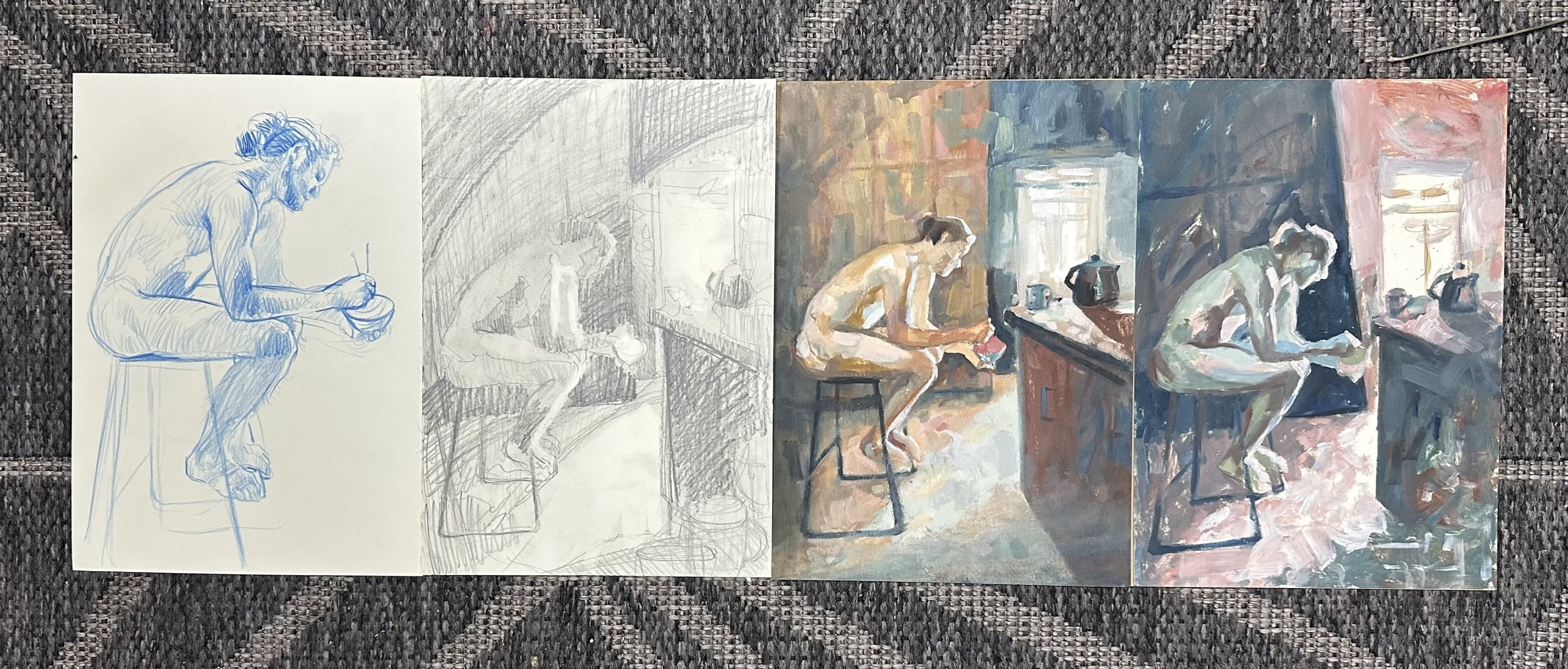
Professional artists frequently use sketchbooks to think visually.It is often faster to draw ten solutions than to imagine them, and way beter to find solutions on paper rather than canvas
They explore:
different compositions
value structures
colour ideas
perspective problems
narrative possibilities
They ask useful questions
What if I simplify this?
What happens if I exaggerate the scale?
What if I combine these two ideas?
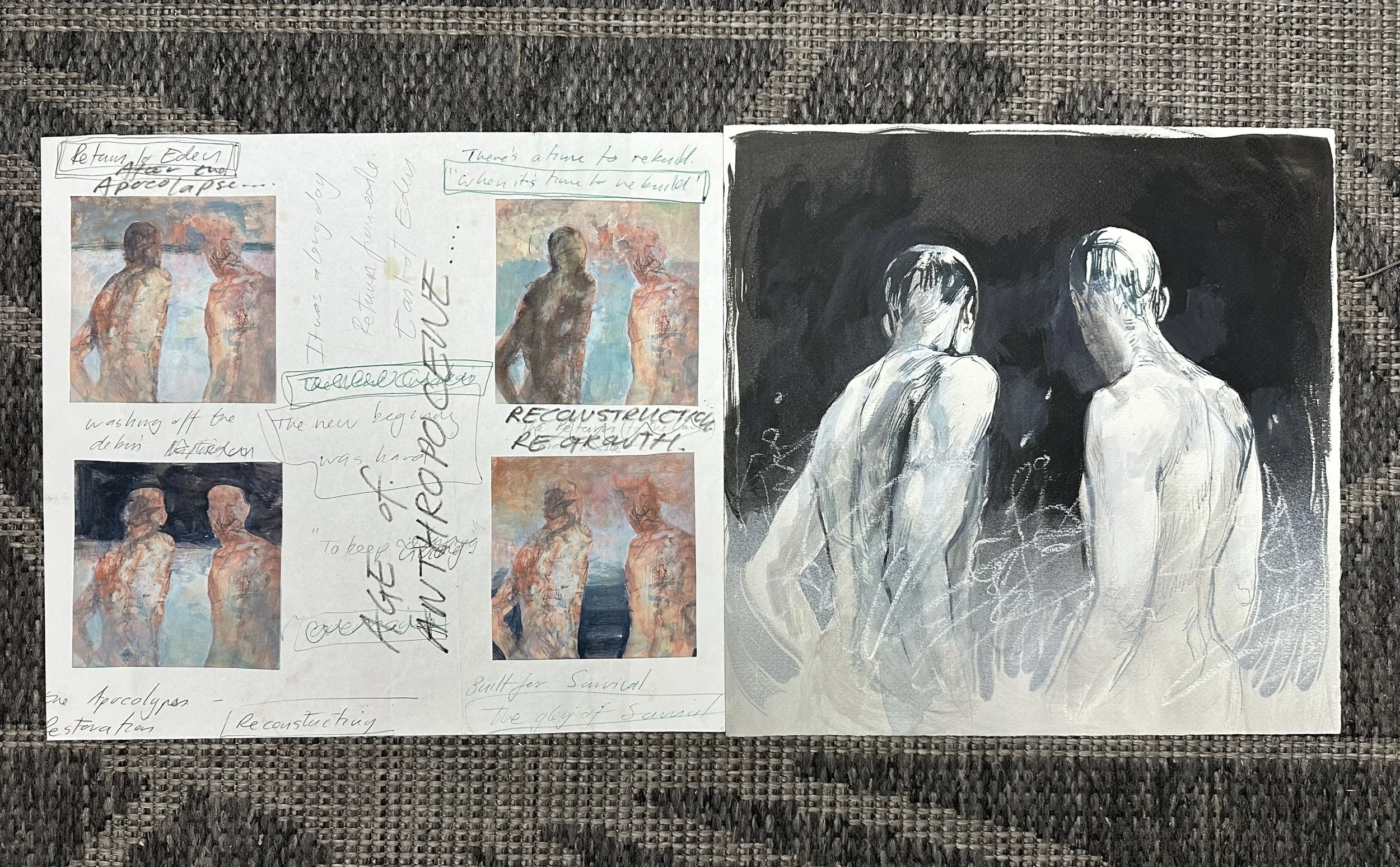
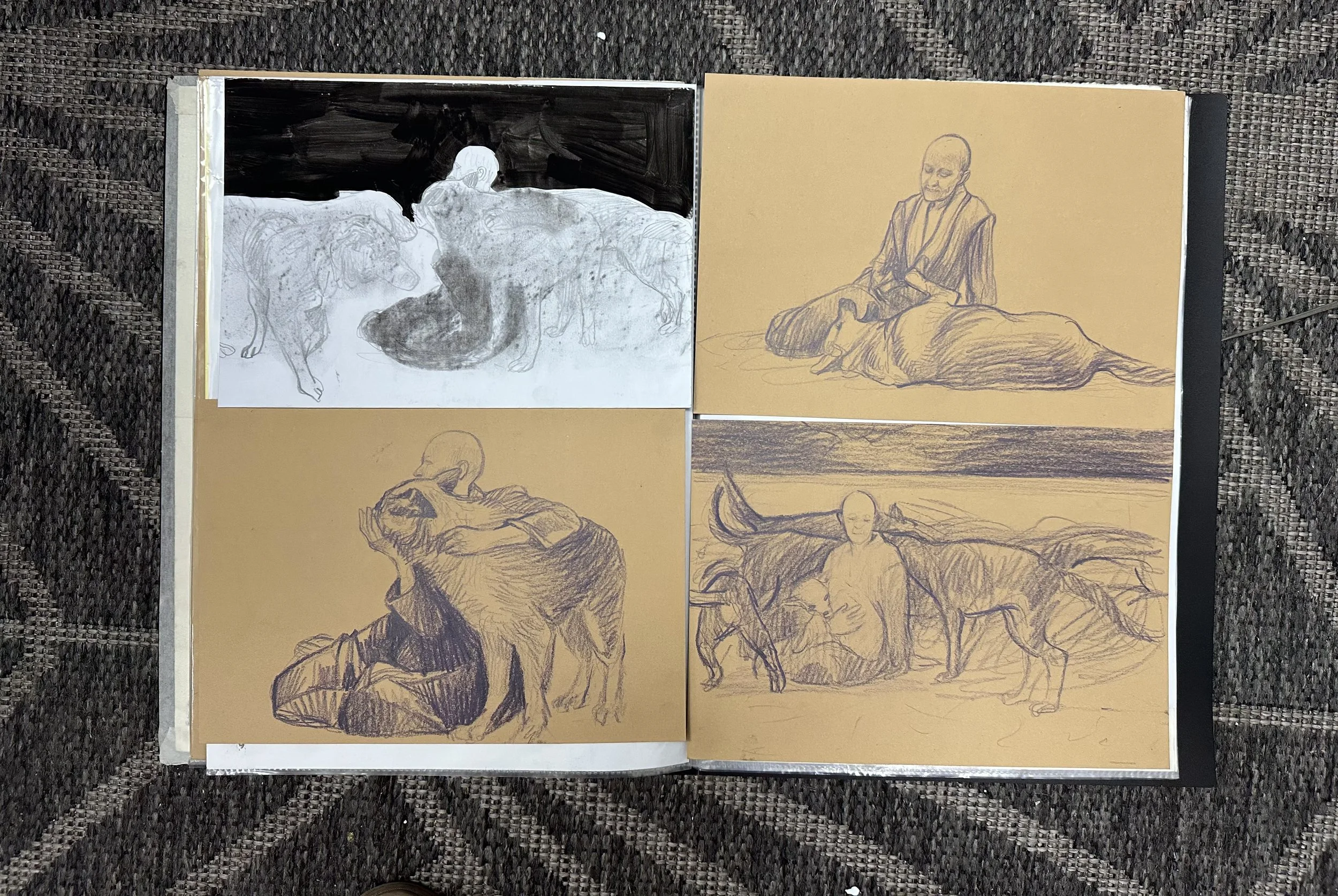
8. To Create a Record of Artistic Growth
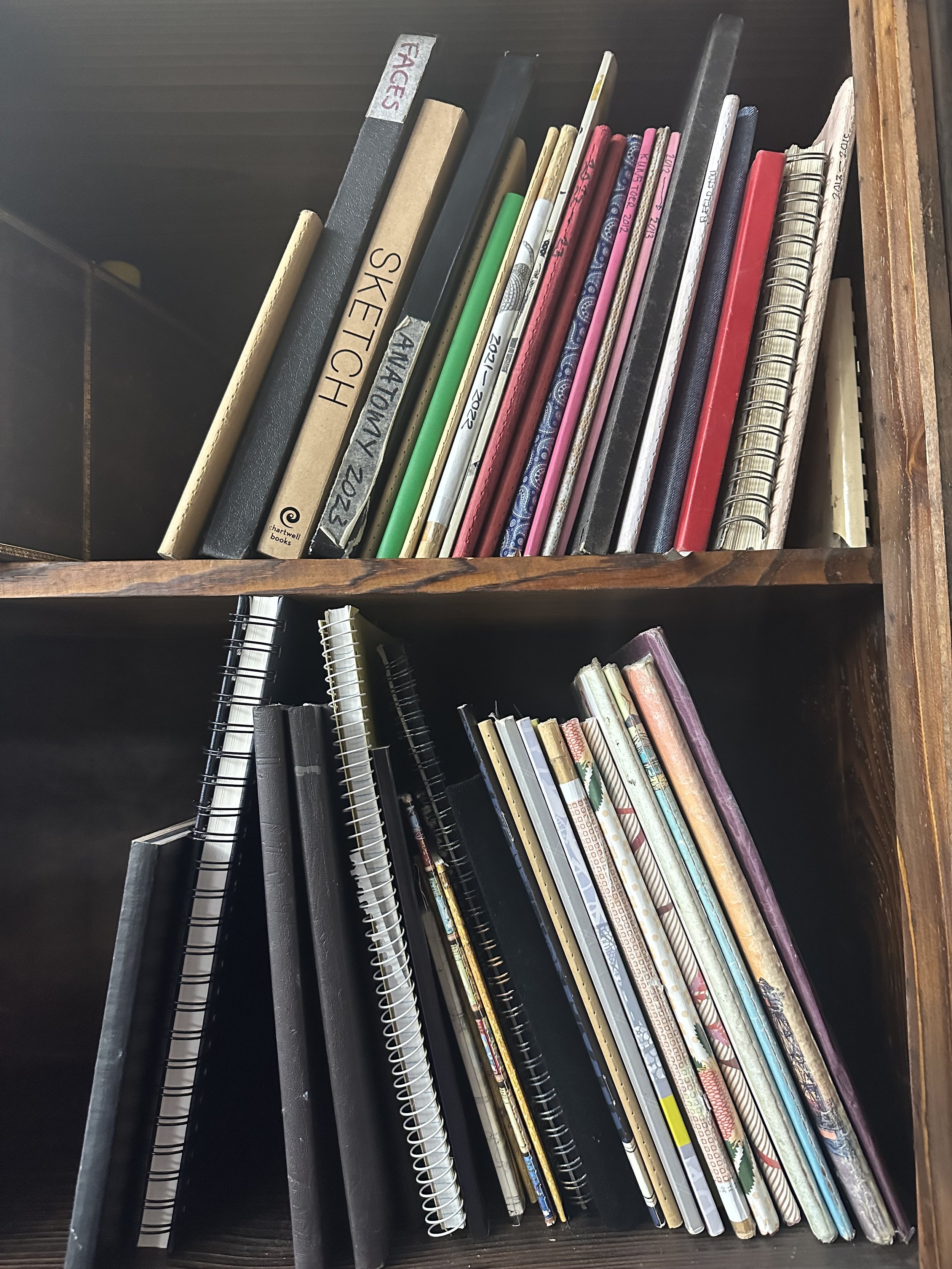
Old sketchbooks reveal progress that is often invisible day to day. Looking back over months or years shows increasing confidence, technical ability, and changing interests.
They become a personal archive of one's artistic journey. here are only some of my sketchbooks!
9. To Slow Down and Pay Attention
Perhaps the greatest gift of a sketchbook is that it cultivates attention.
Drawing requires stillness and careful observation. It transforms ordinary moments into opportunities for discovery and helps artists become more present in the world around them.
Many artists find that keeping a sketchbook changes not only how they draw, but also how they experience life. This I believe is the highest value art adds to anyones life, whether they are professional or amateur.
In Summary:
A sketchbook is where artists observe more deeply, think more clearly, experiment more freely, and grow more consistently.
Finished paintings show what an artist knows, but sketchbooks reveal how an artist learns.
My personal main reasons keeping this habit:
I listen better. Either to an external talk or to an inner dialogue at the edge of my consciousness.
To avoid pitfalls. It is cheaper to throw paper and pencil away than chuck an oil painting in the garbage!
It gives me joy to play around with ideas. Art is a bottomless, fulfilling puzzle.
Things to Draw in Your Sketchbook:
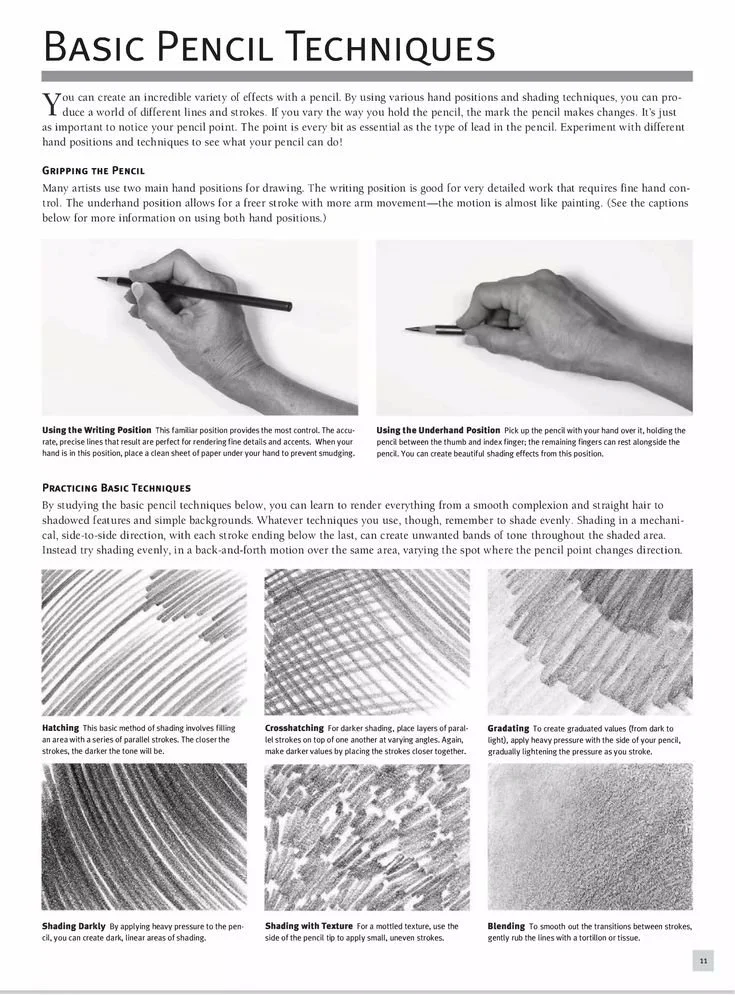
If you’ve never done it before, play with new hatching styles.
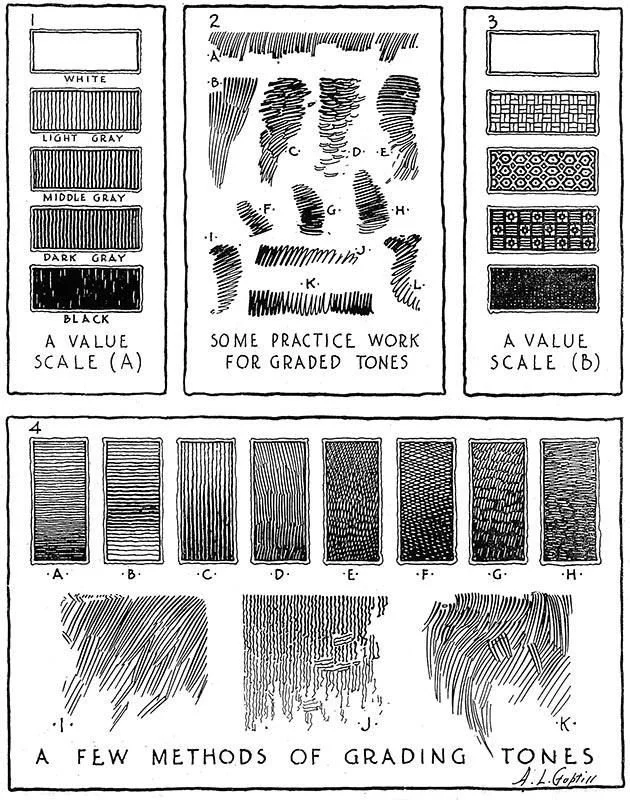
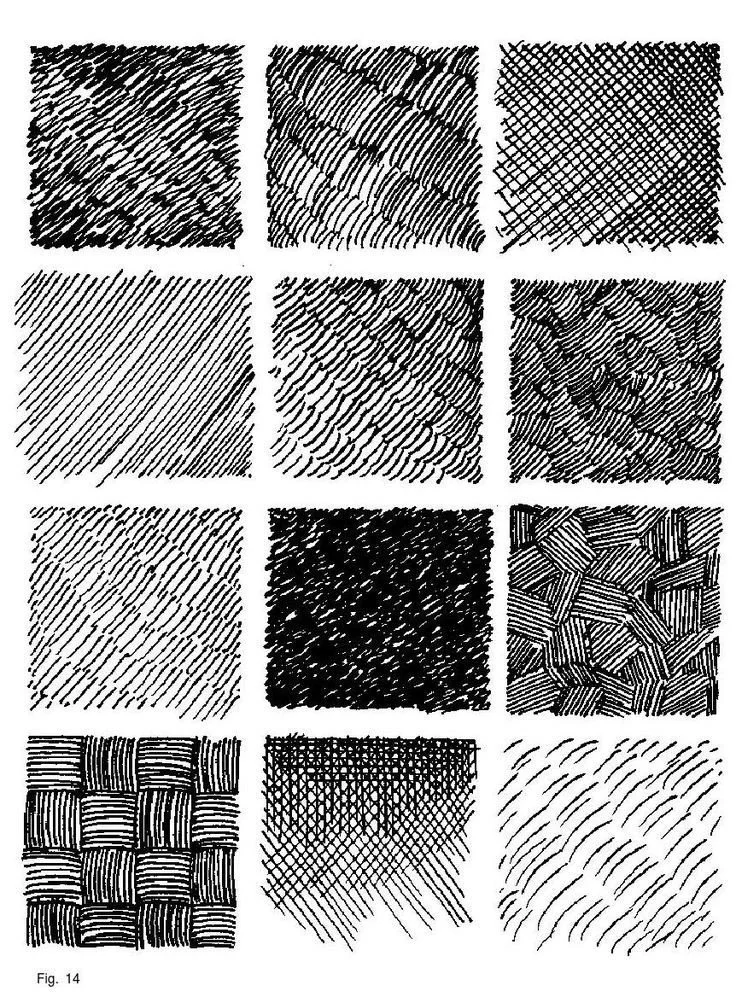

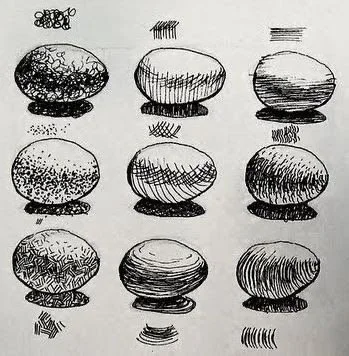
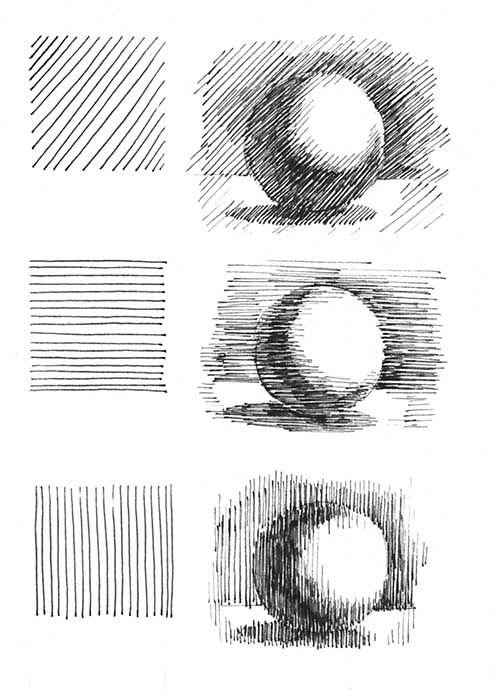
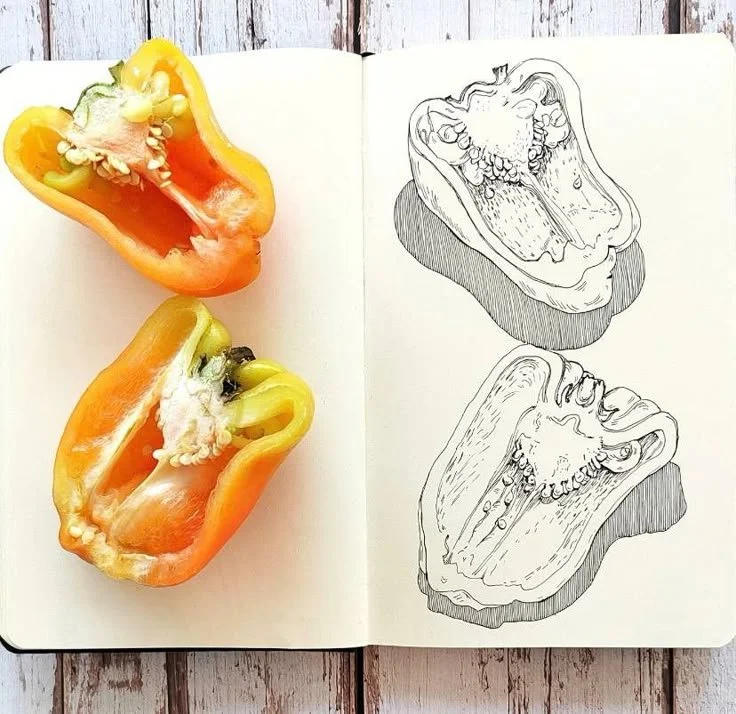
Draw something from your kitchen. Illustrate you grocery list like Leonardo!


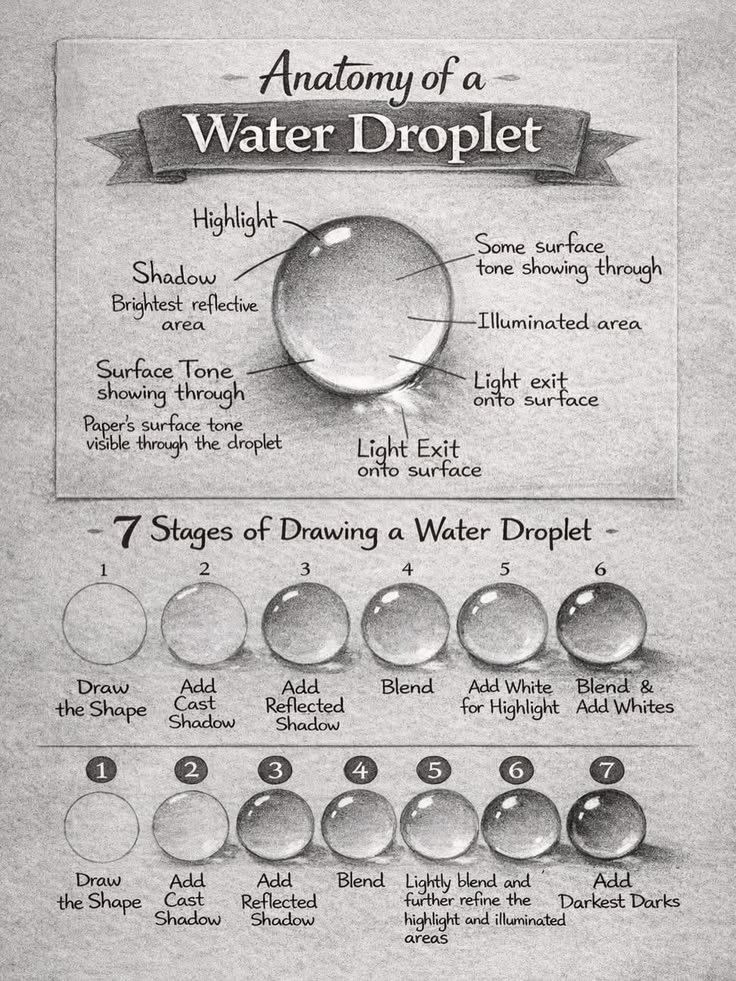
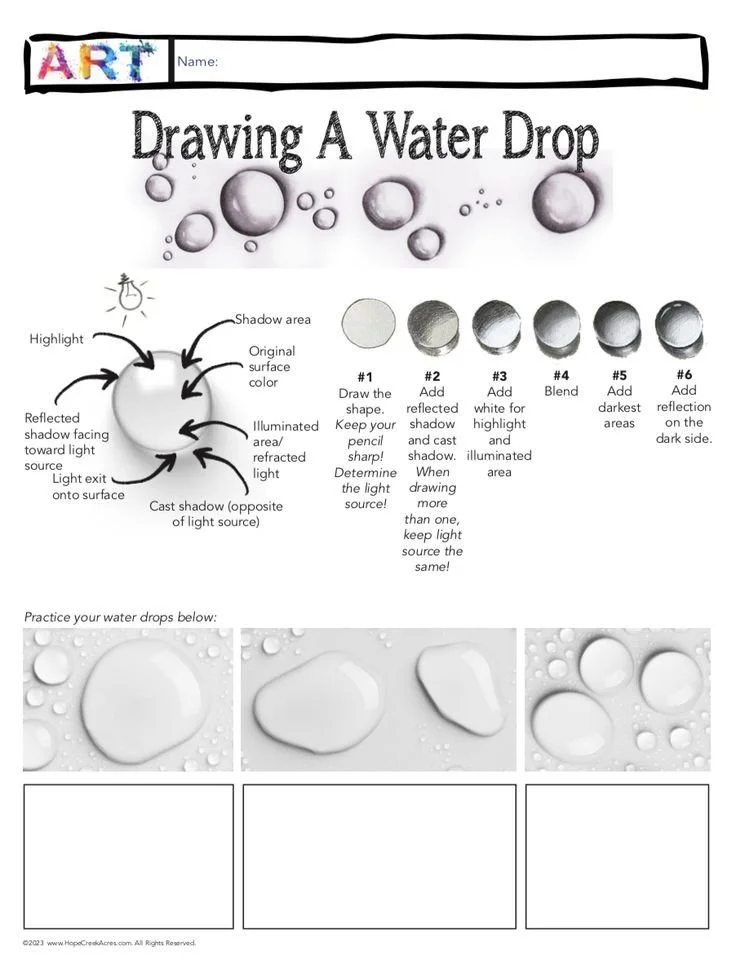
For fun, learn to draw droplets
Draw something inorganic you carried into class today
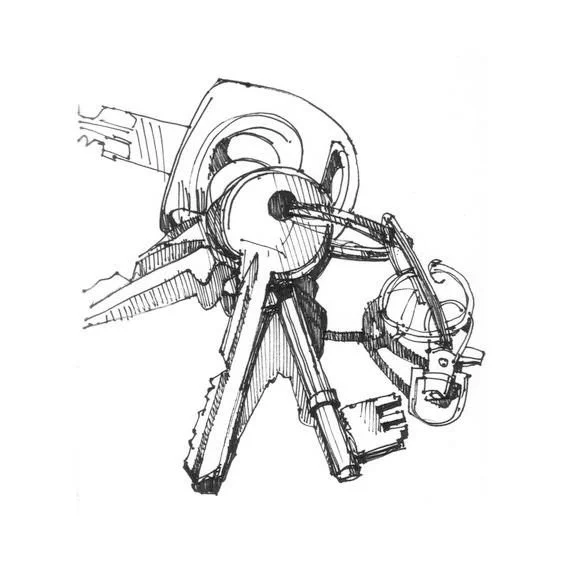
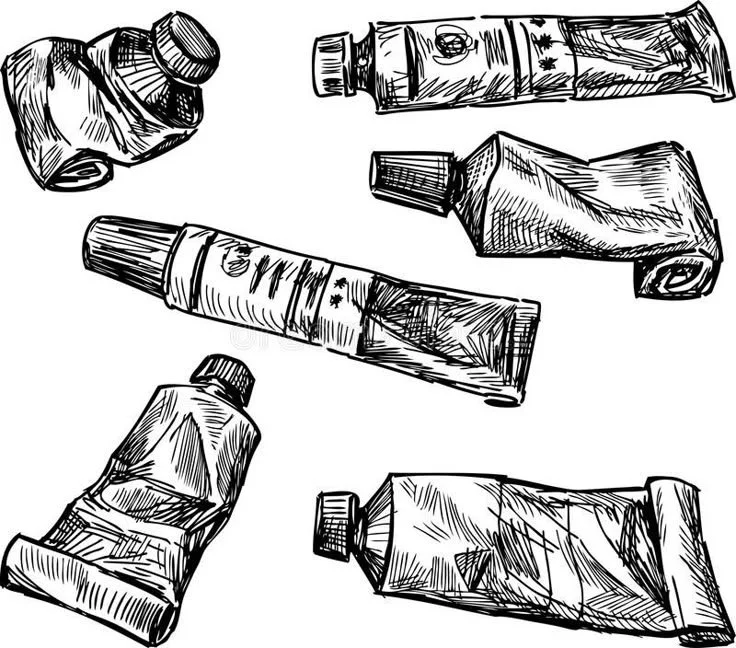
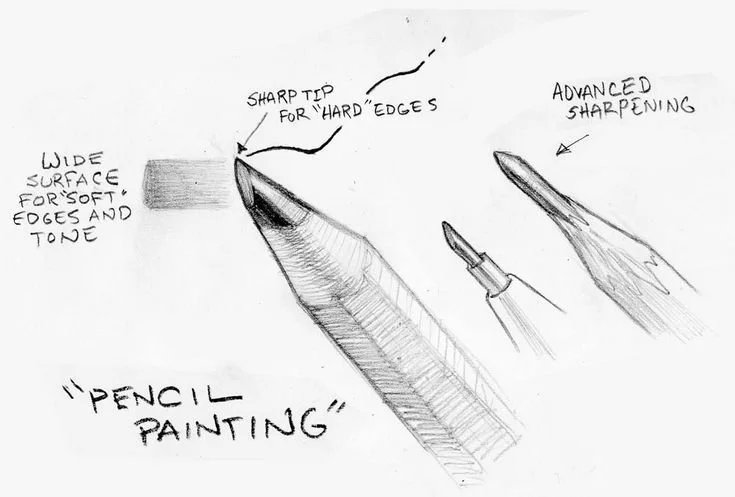
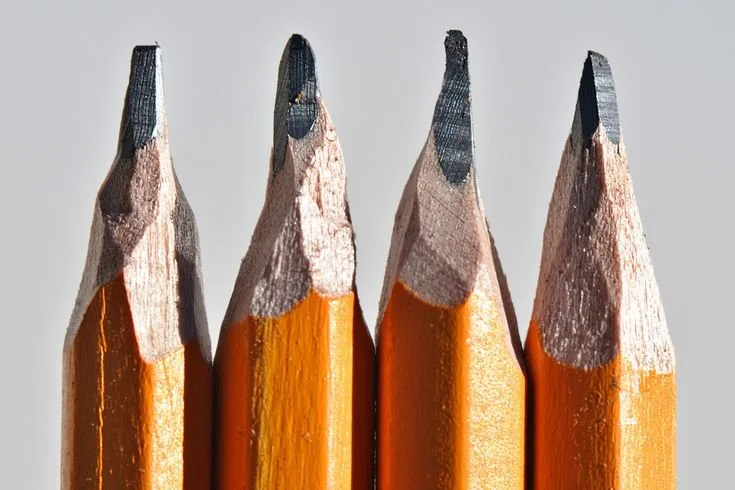
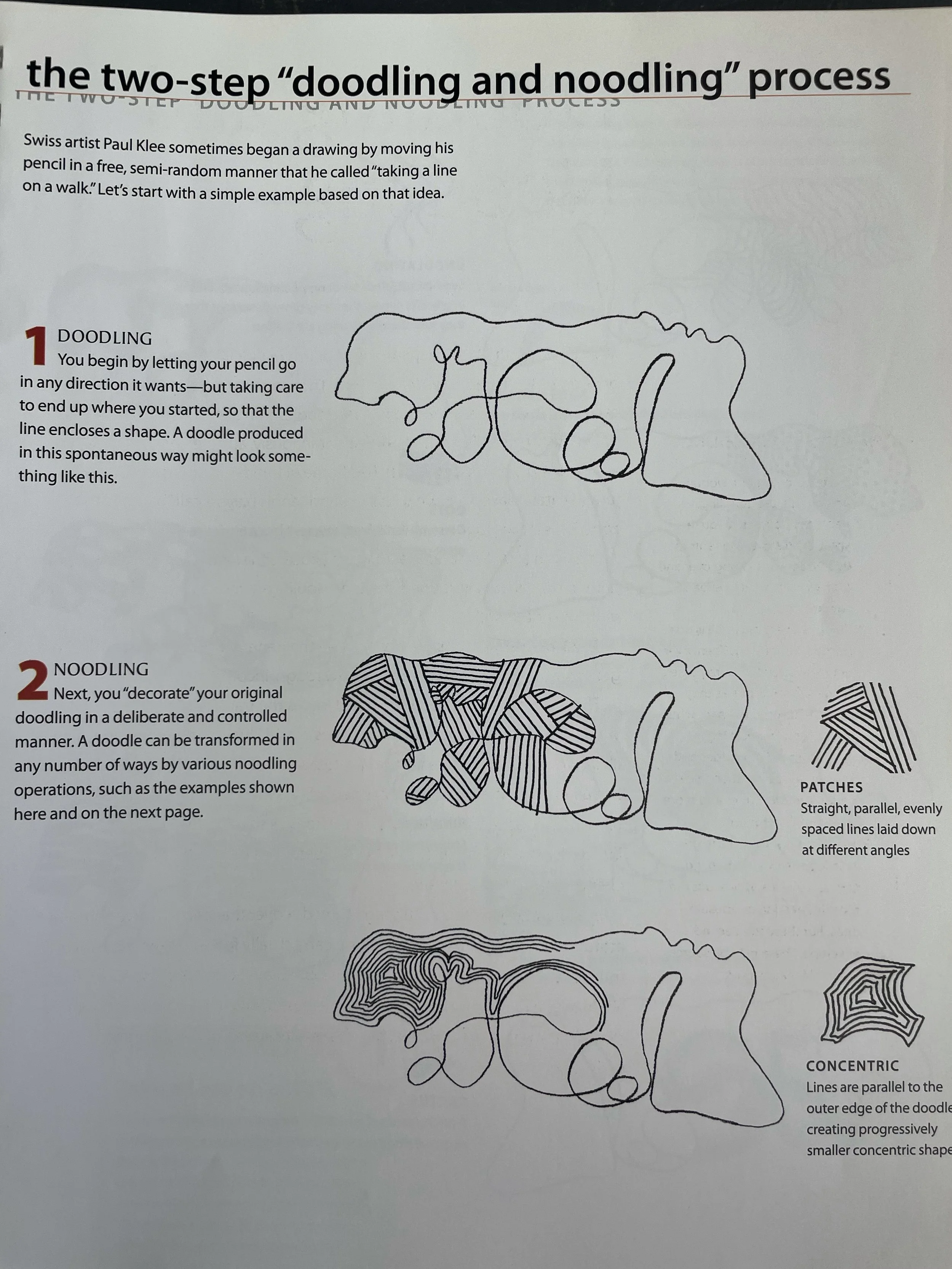
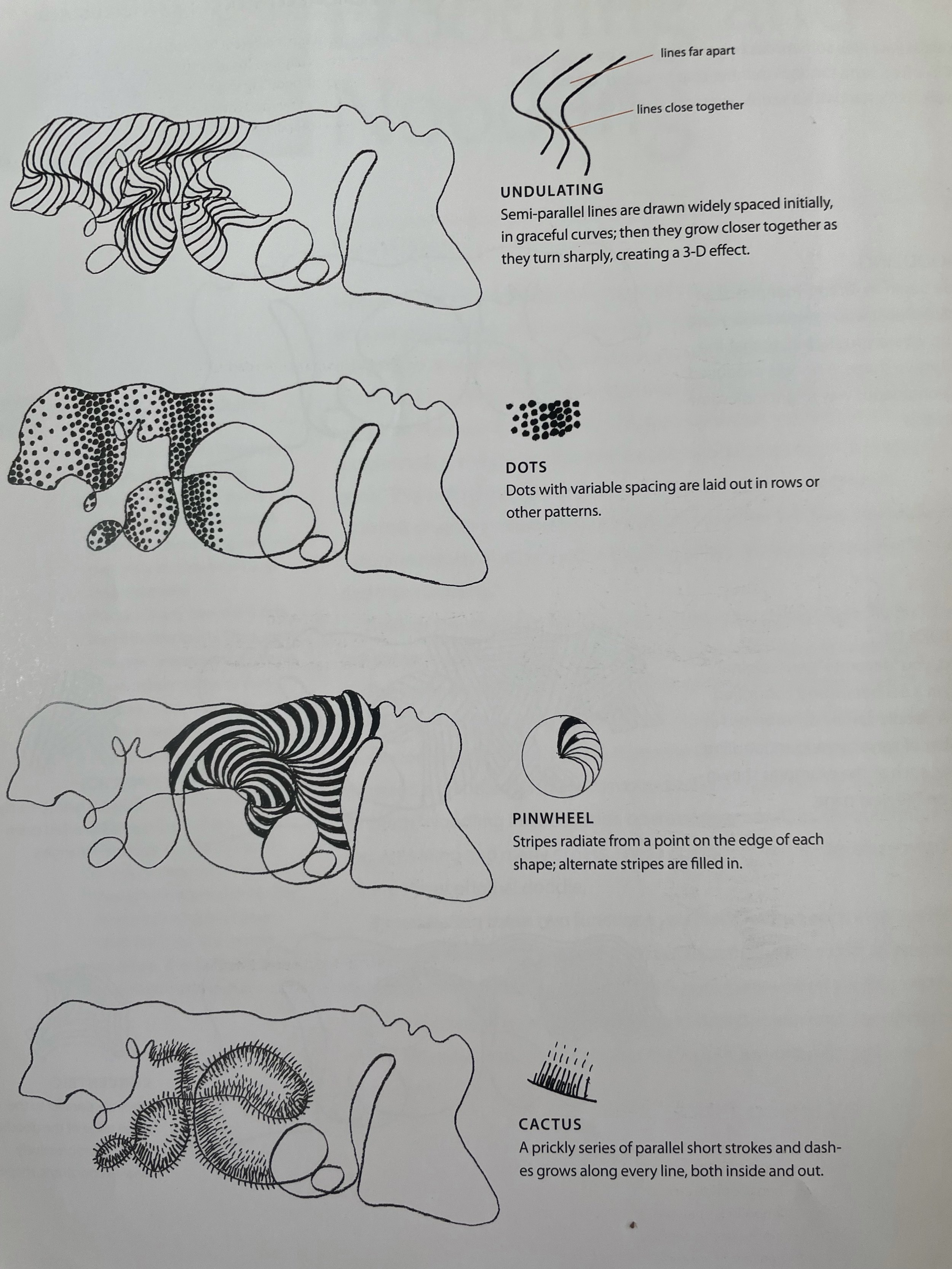
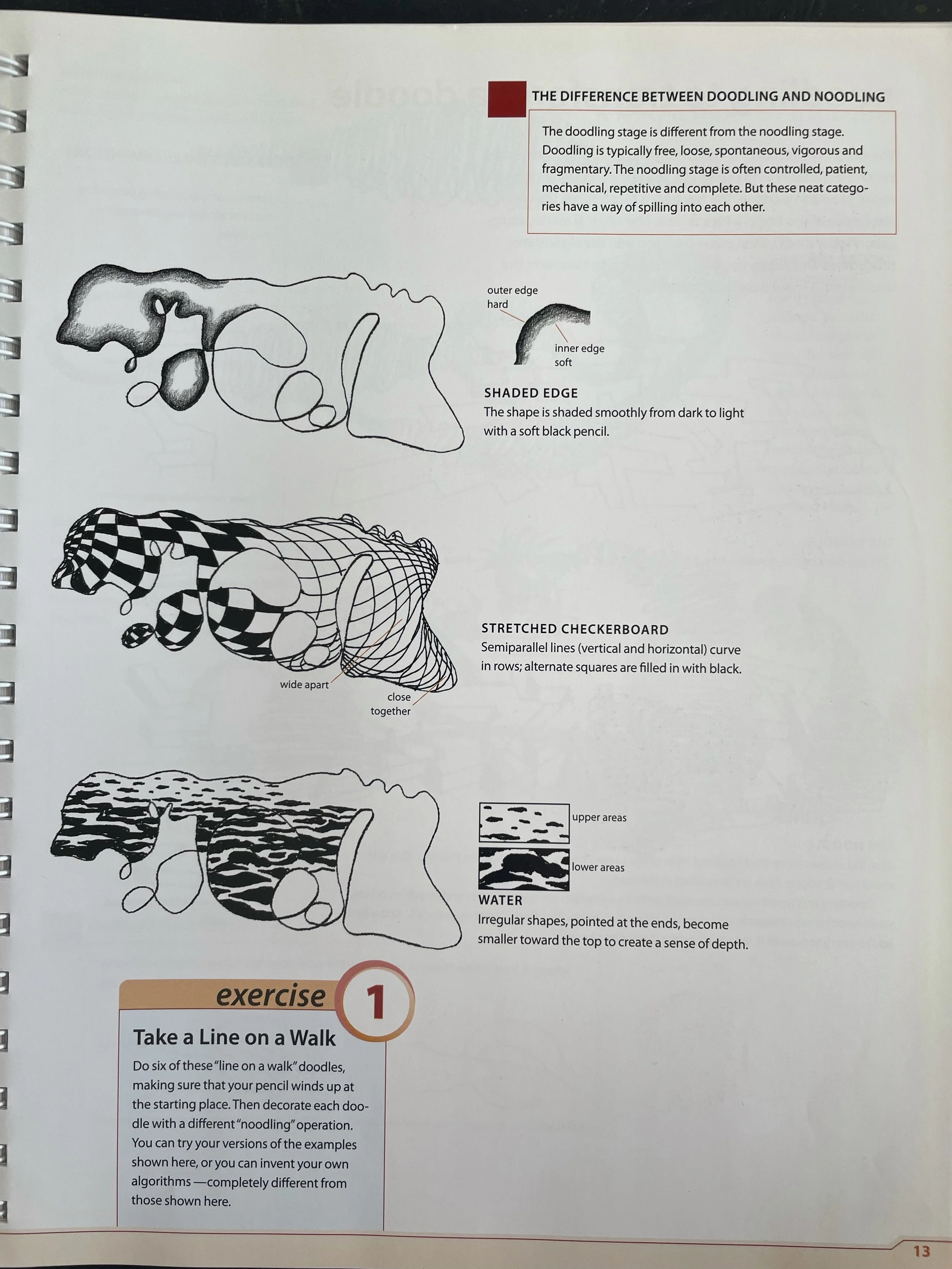
Take a line for a walk and make a doodle that you then noodle
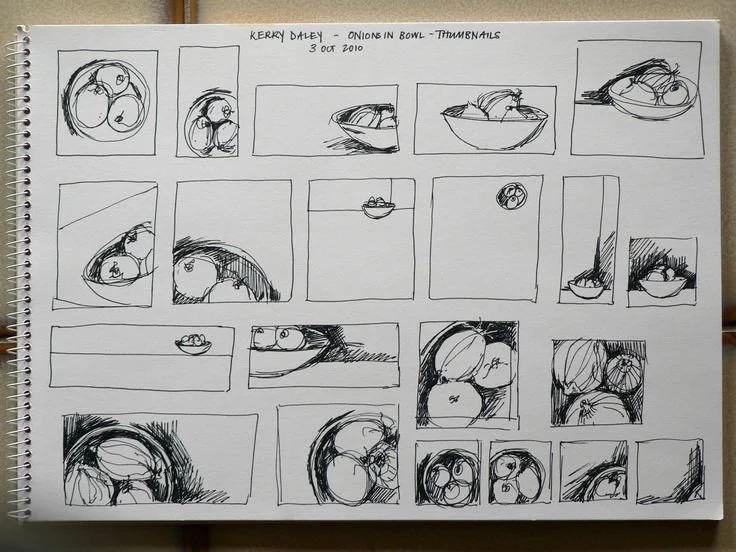
Plan your next painting by making compositional thumbnails. You should be using you sketchbook to think as much as possible!
Go for a walk and draw outside
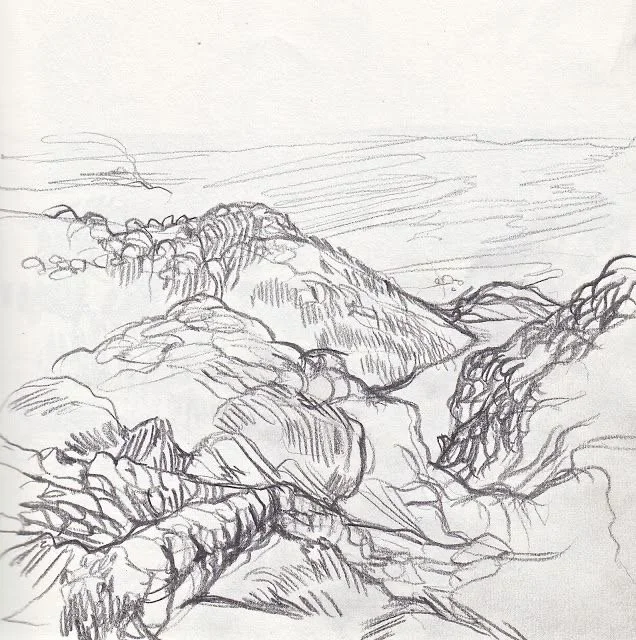
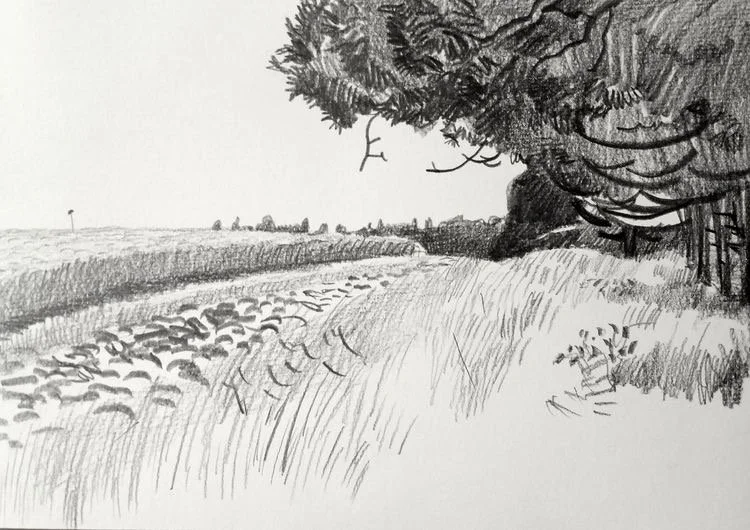
… or pick something up and bring it inside
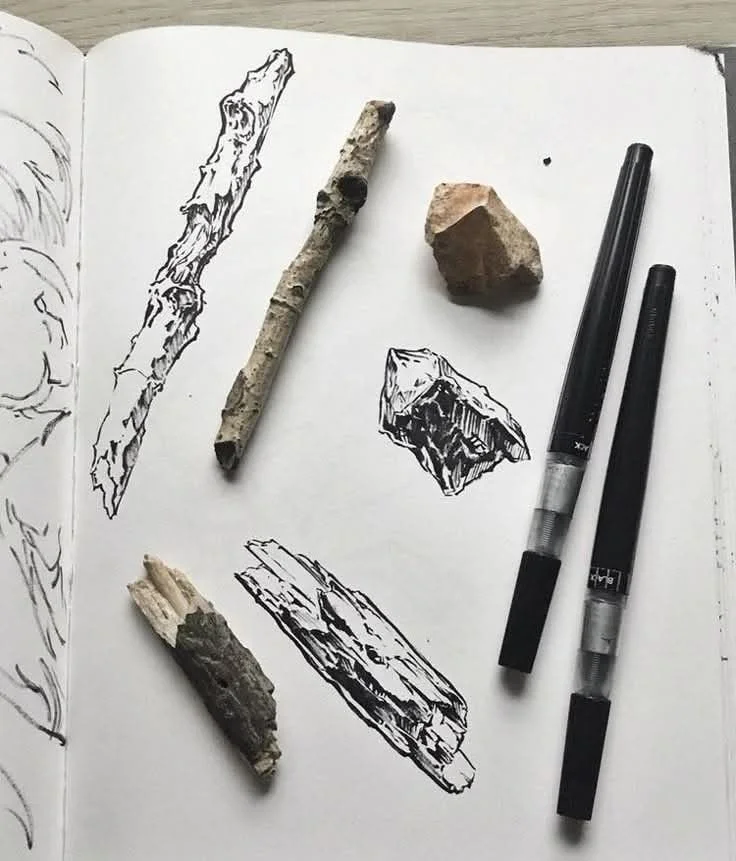
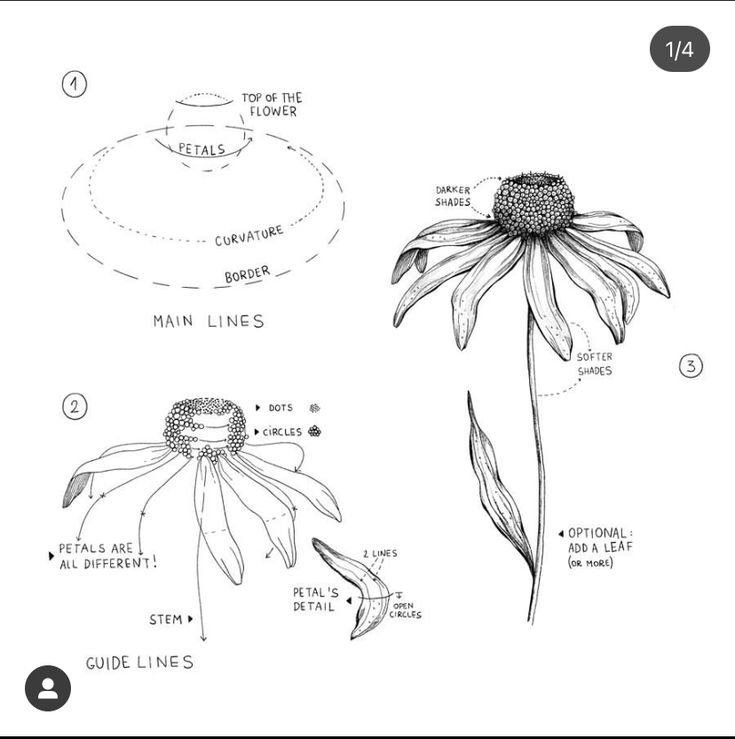
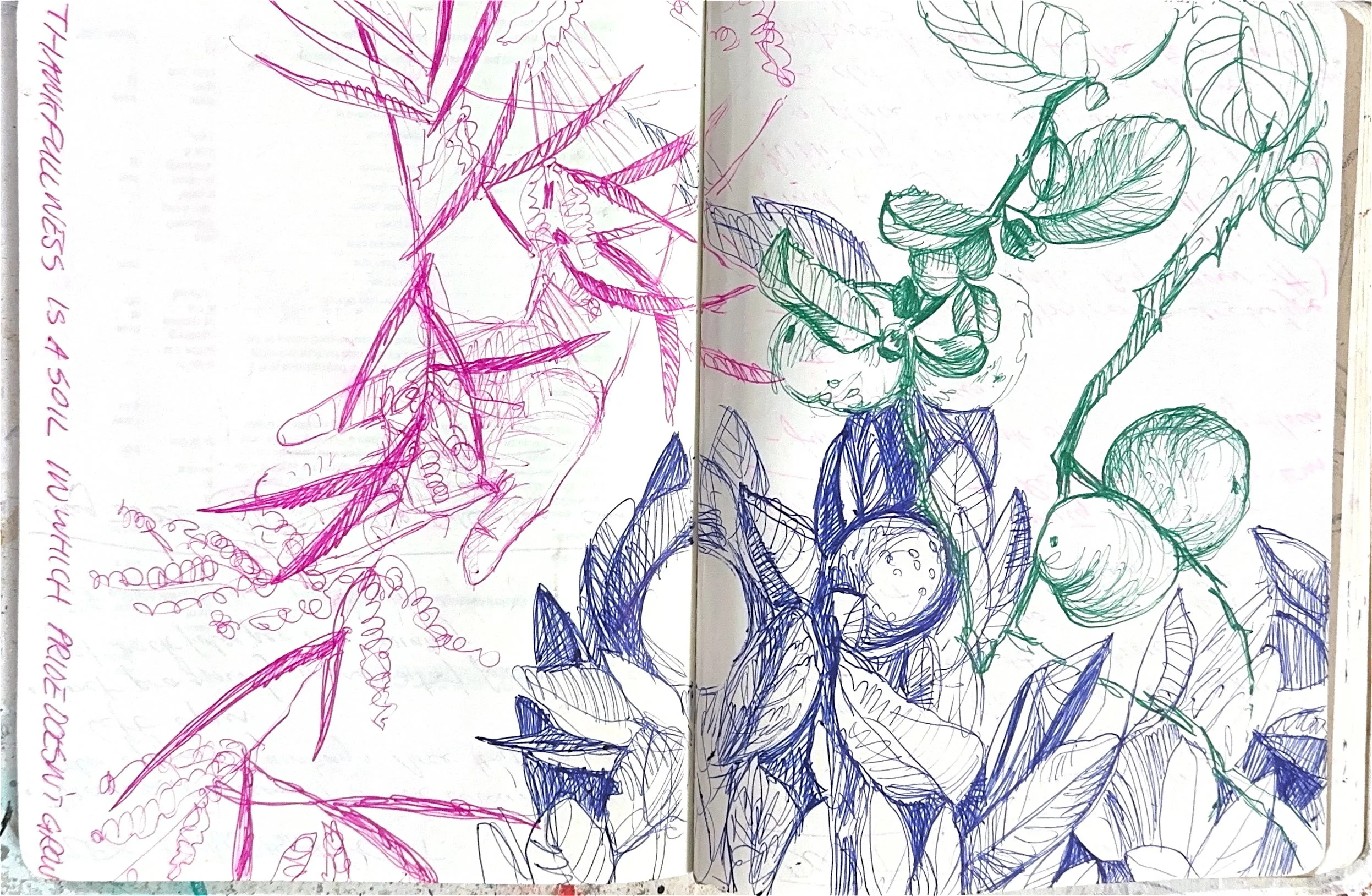
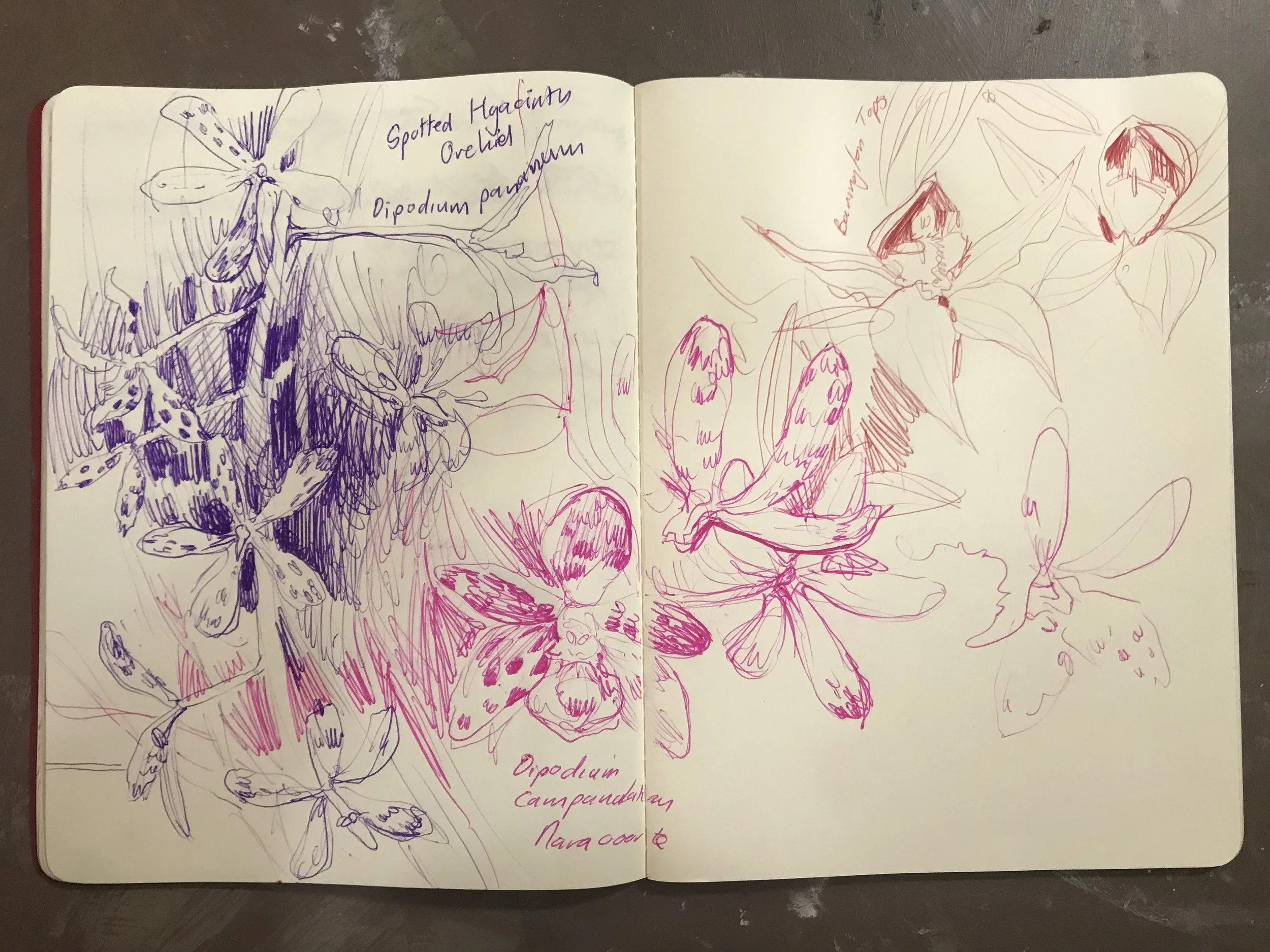
Practice drawing ellipses
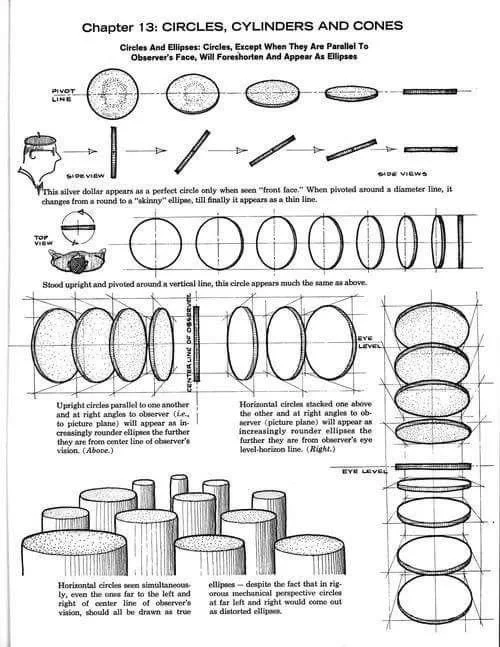
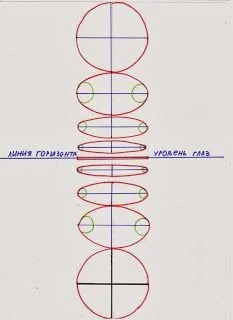
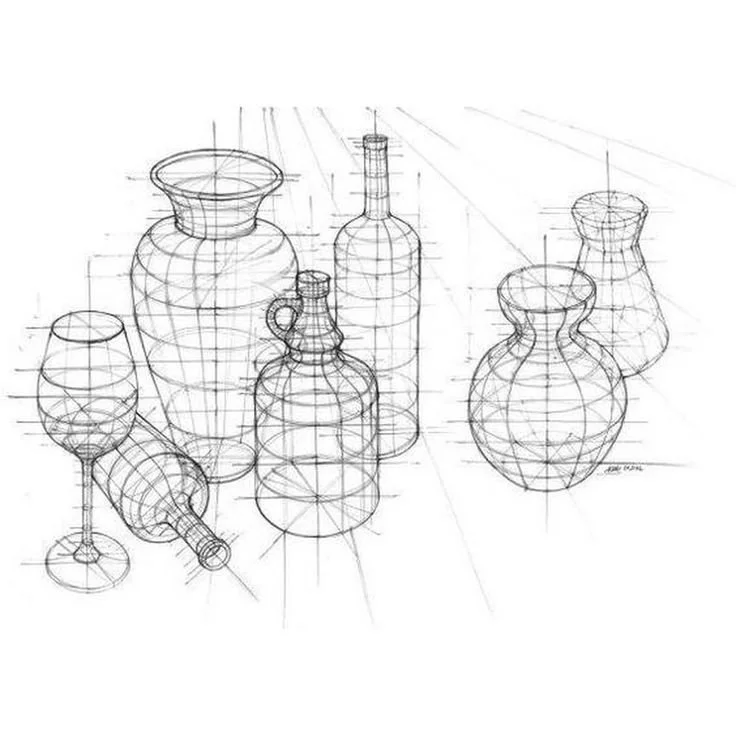
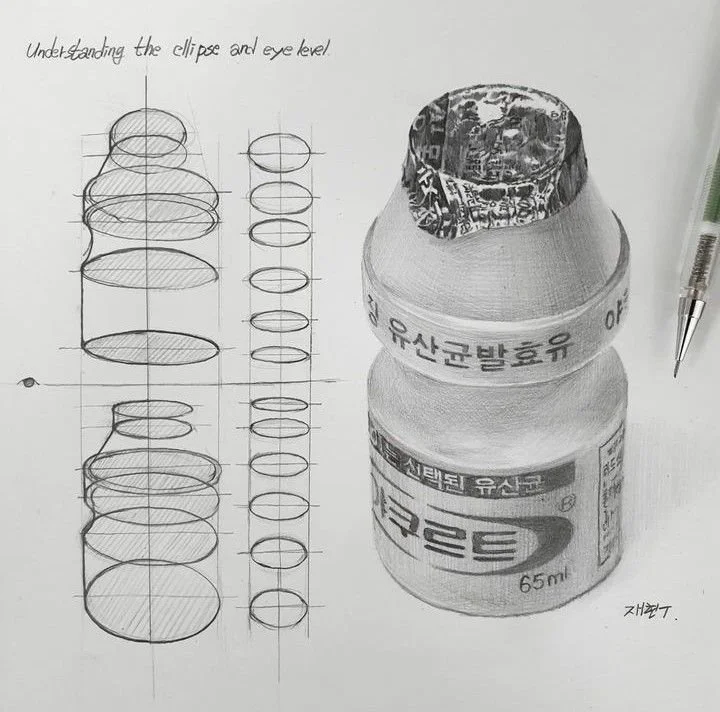
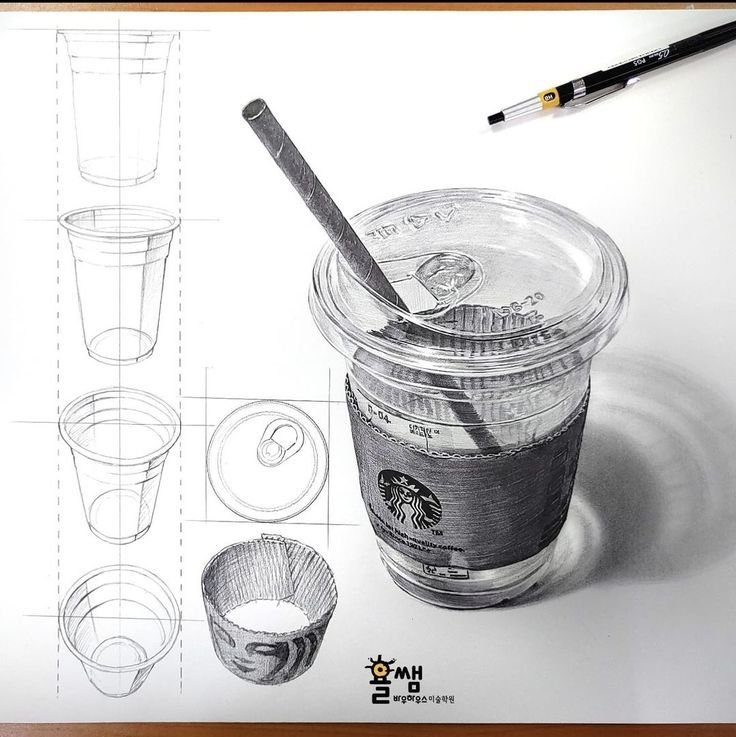
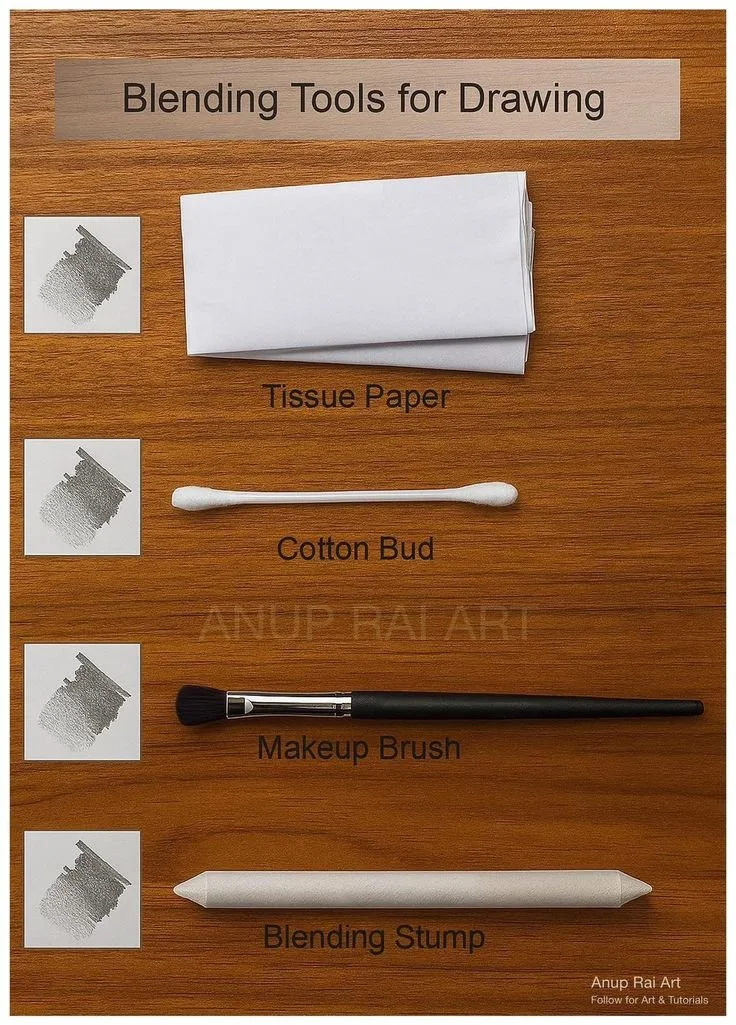
Play with this perspective image and use somthing to smudge
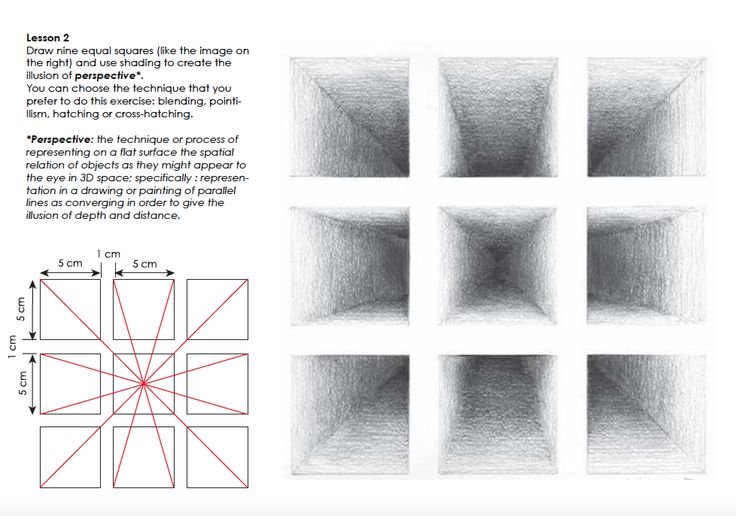
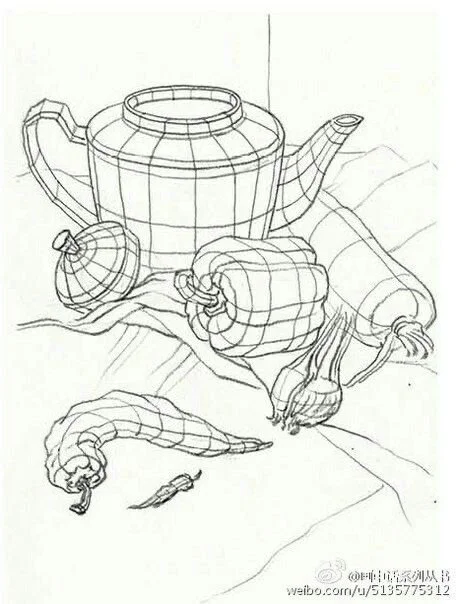
Practice drawing ‘around’ objects
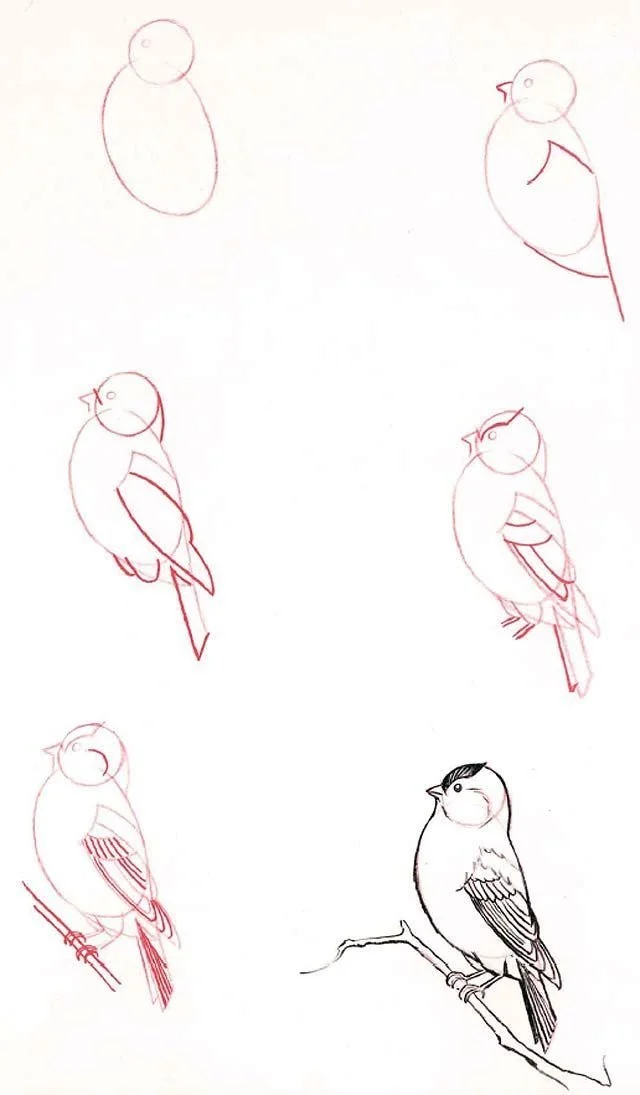
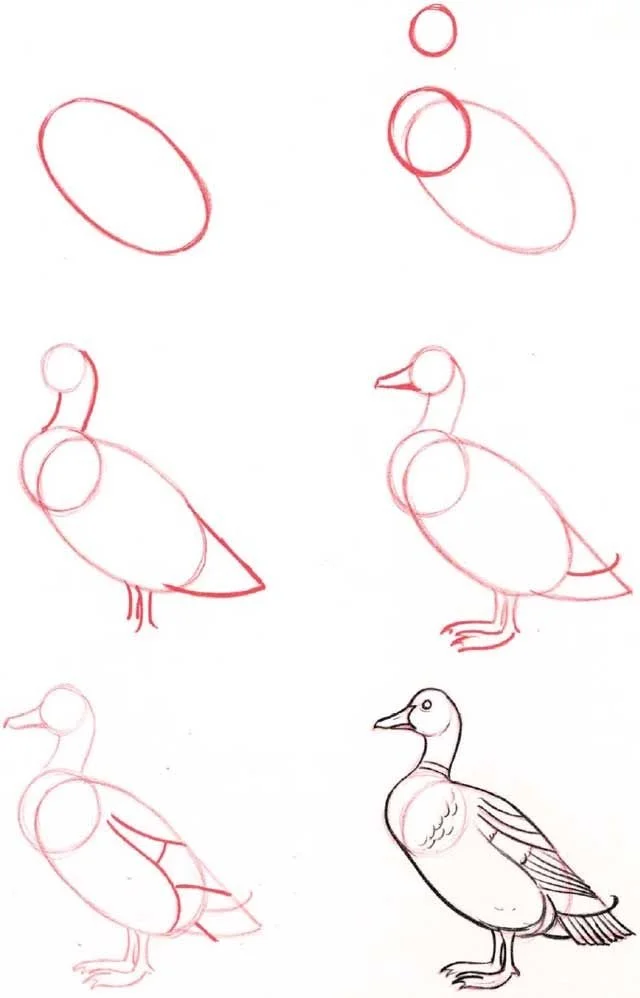
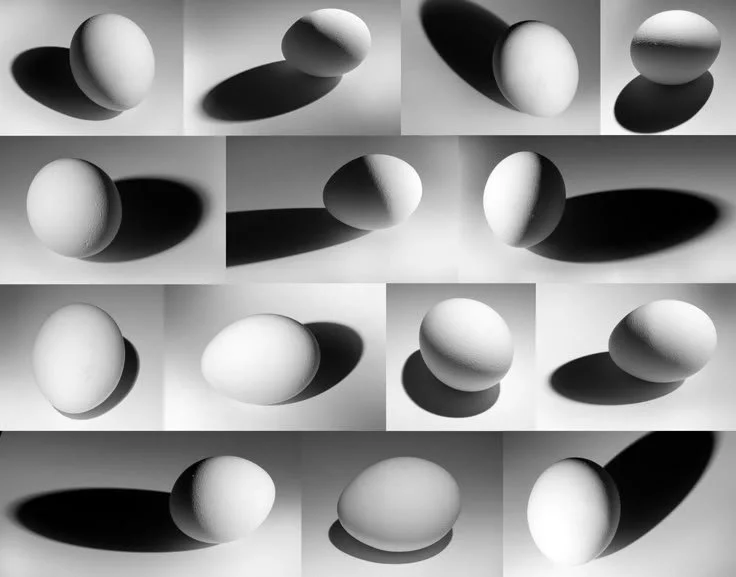
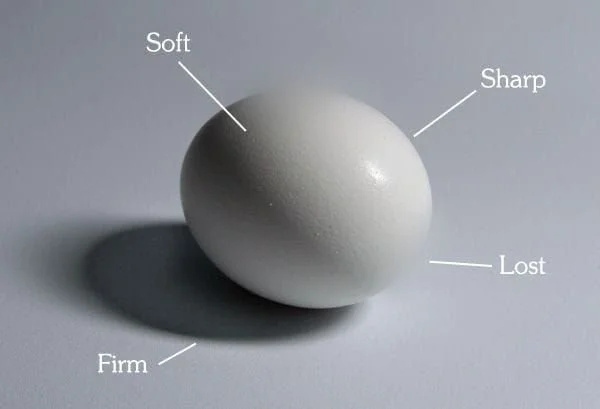
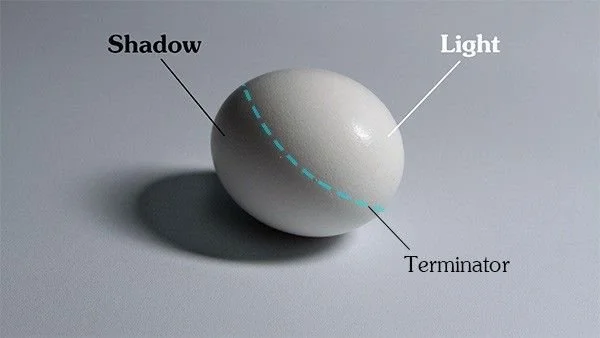
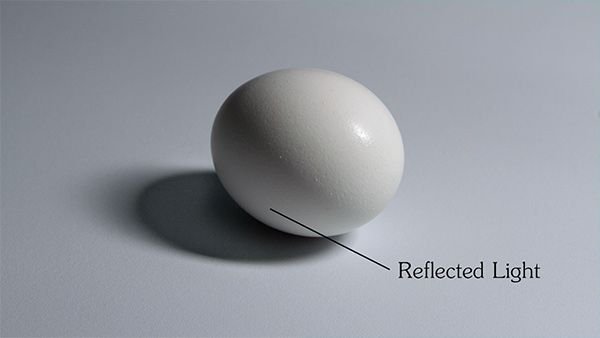
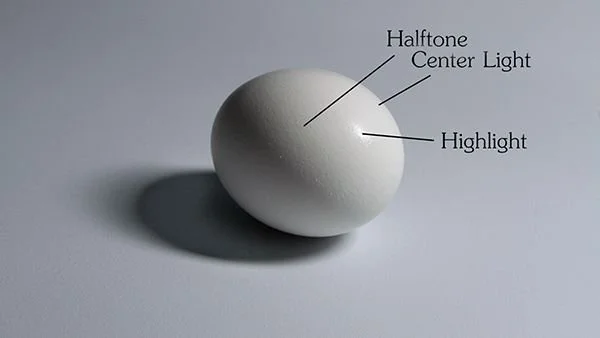
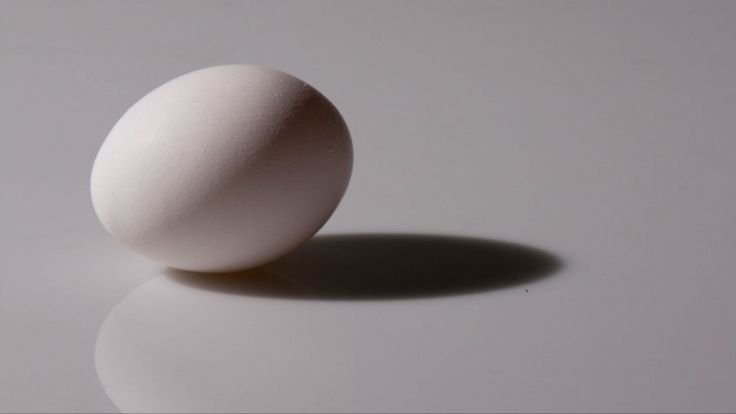
Practice looking at light. Draw an egg under a spotlight
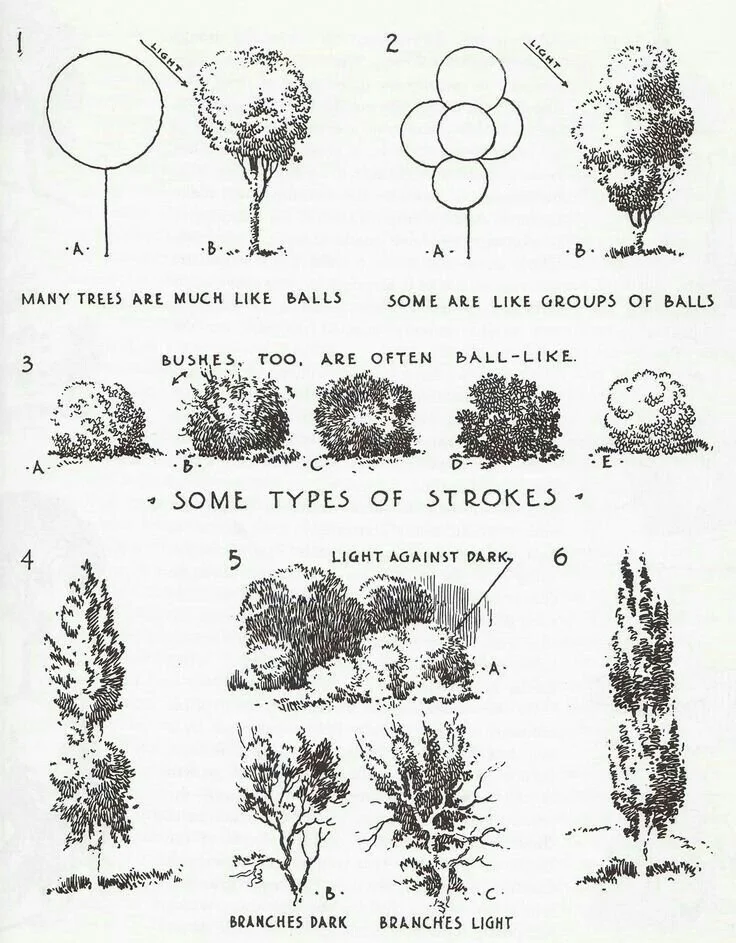
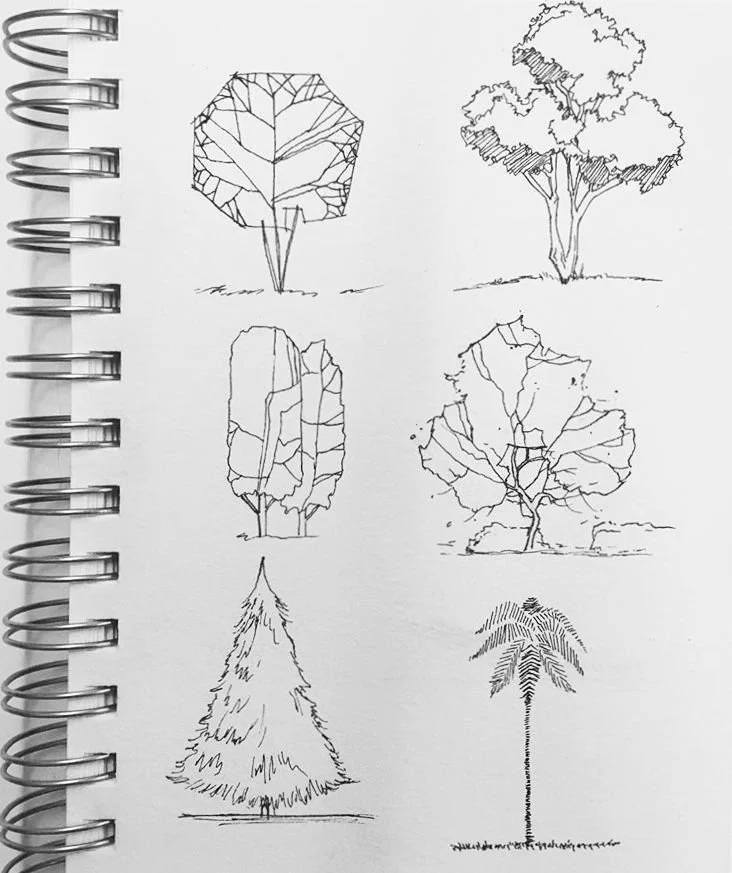
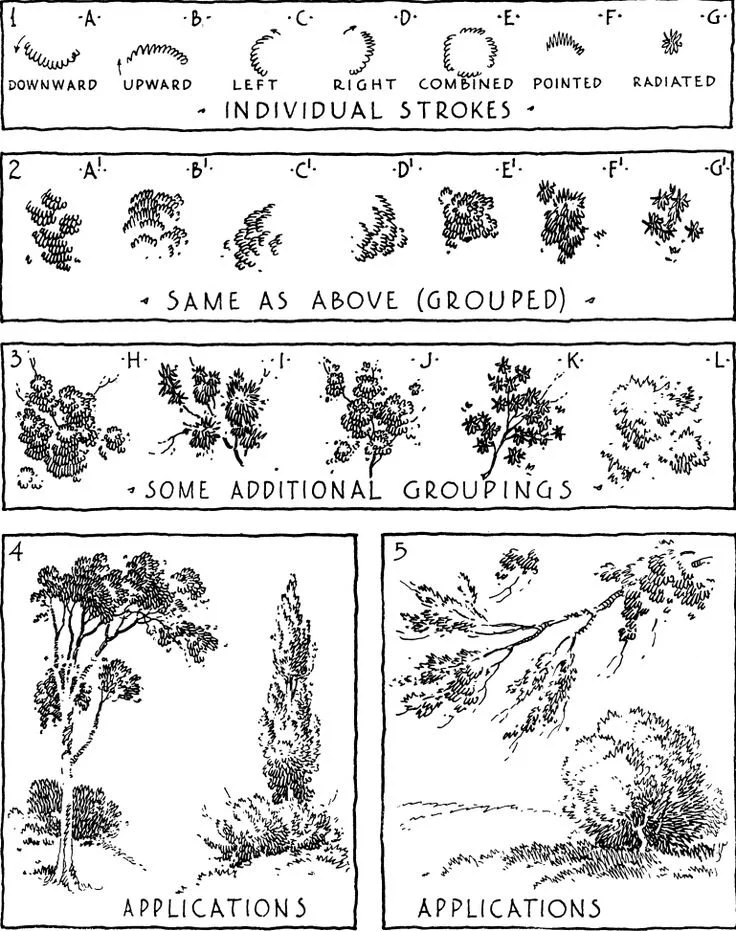
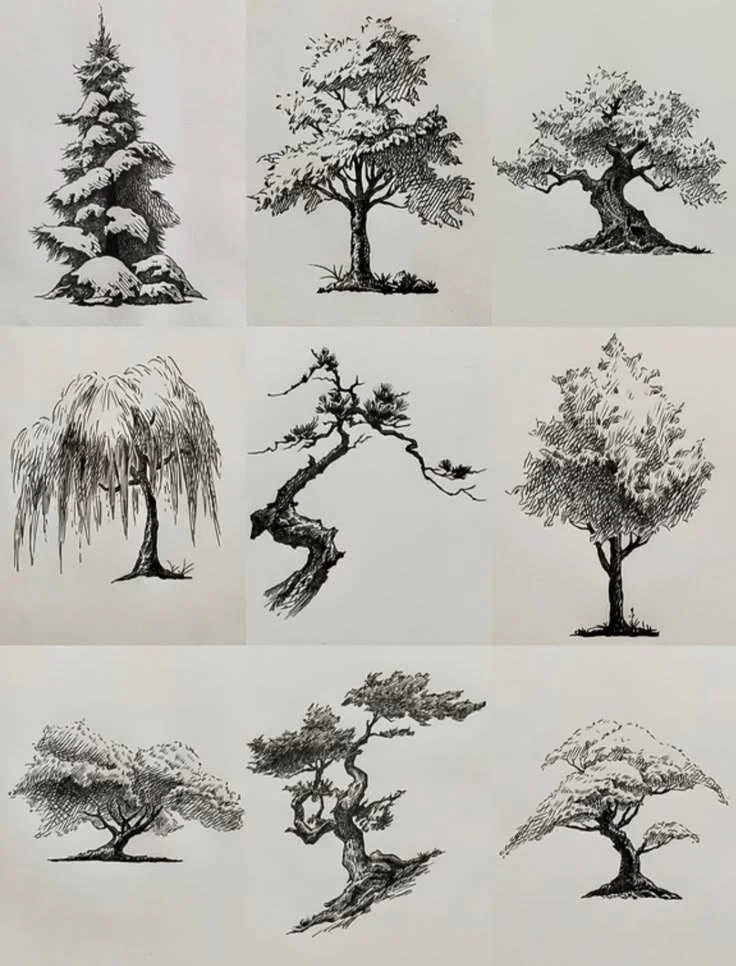
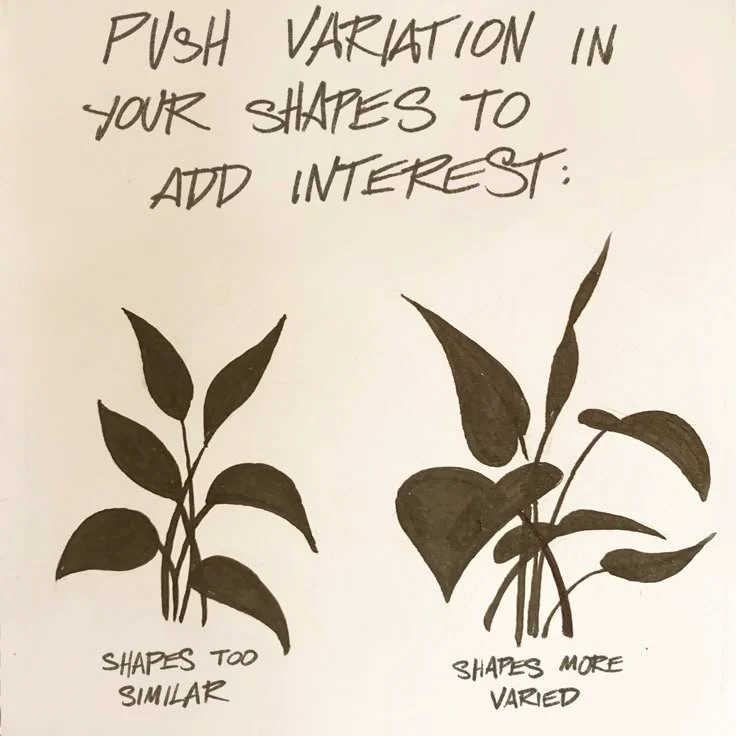
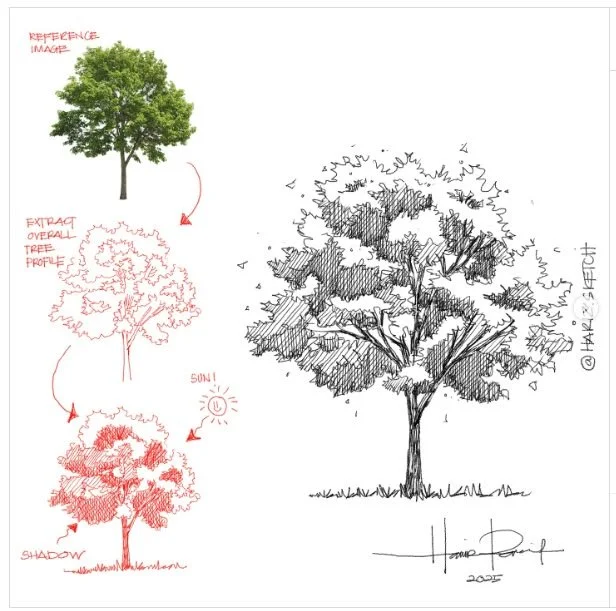
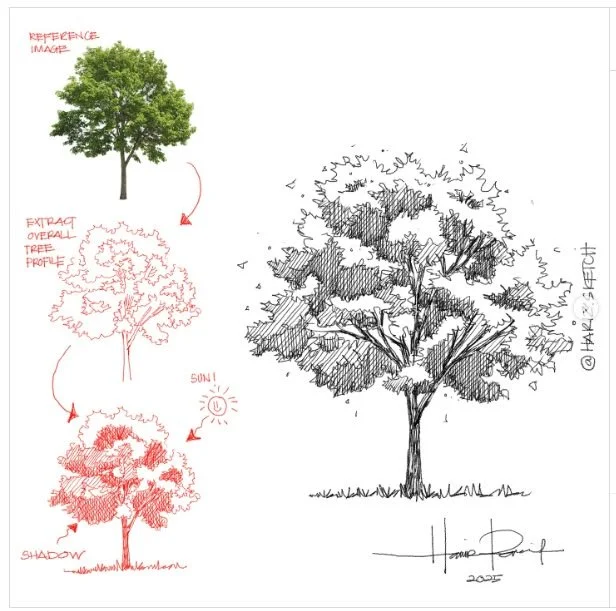
Learn to draw trees
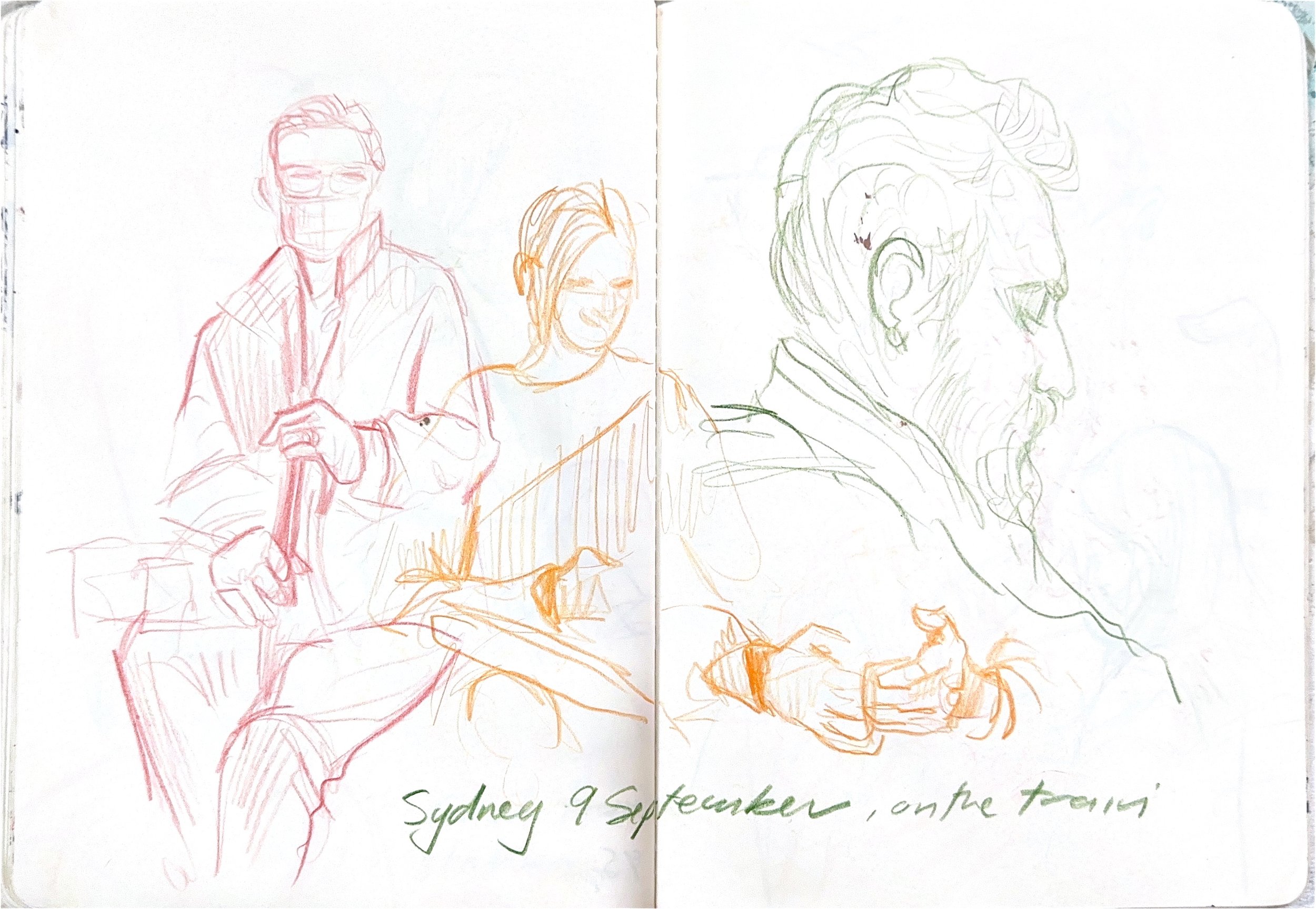
Sneak in drawings of strangers on public transport
I think that should be quite enough to get a habit going... Look around you and you will find the world is filled with things to sketch.
Draw wherever and whenever you can!
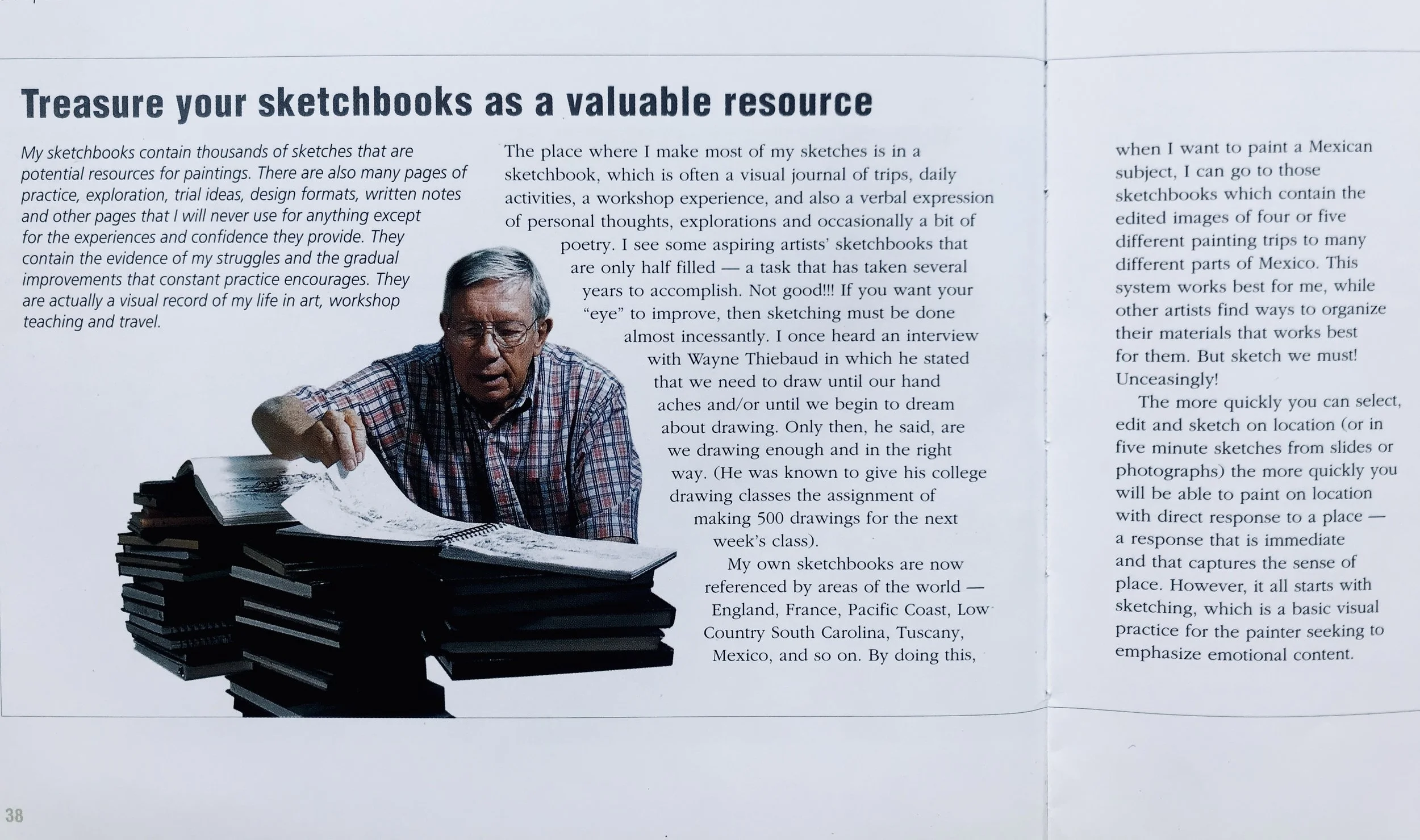
Note from one of my favourite teachers, Gerald Brommer, in “Emotional Content: How to Create paintings With Communicate”