
Still Life:Training ourselves to see
“Art does not reproduce what we see; rather, it makes us see.”
By playing around with Still Lives this term, we’ll be training our ability to see better, wean our dependancy on internet images, and have fun exploring techniques in a controlled space.
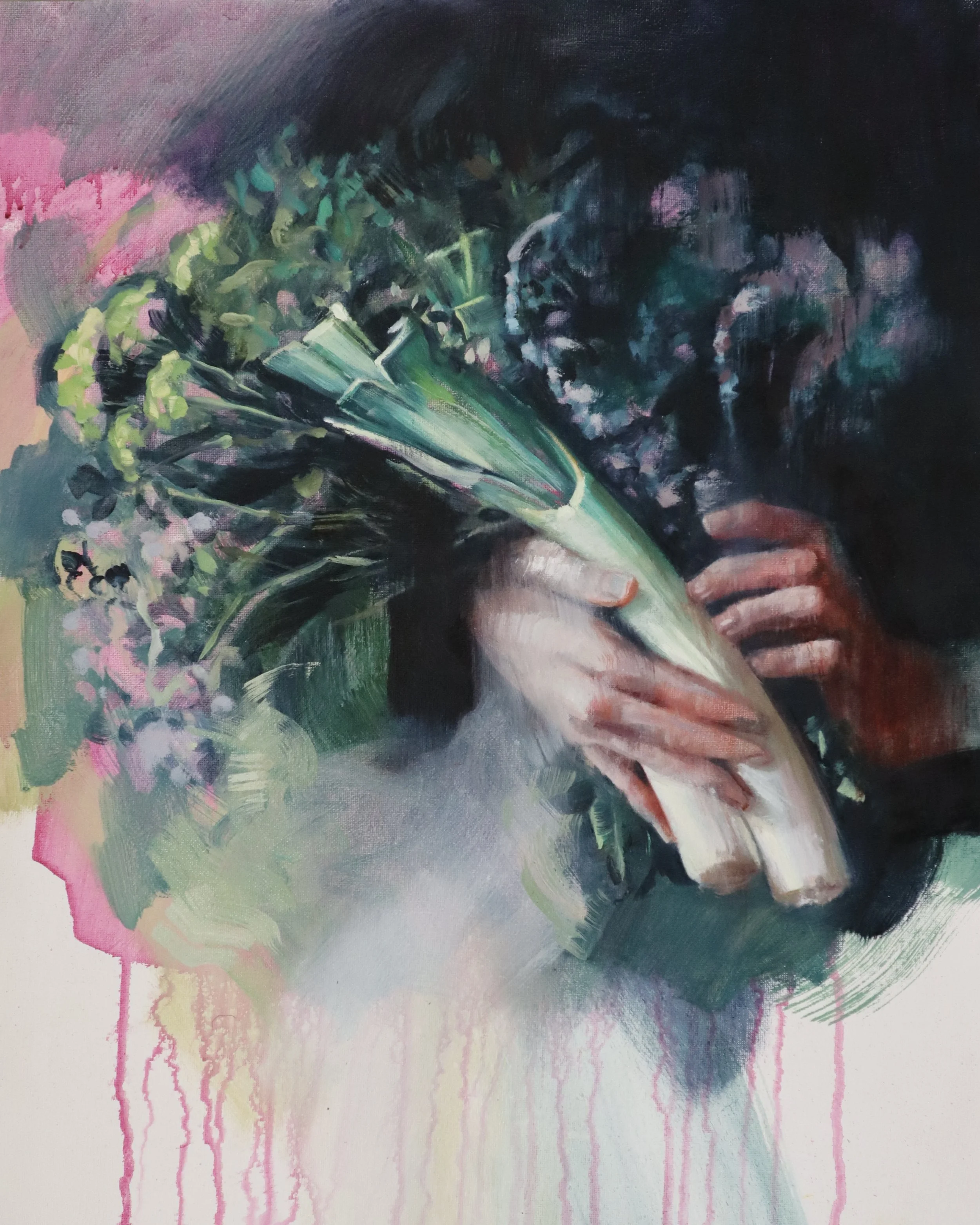
Art is not passive observation but an active choice about how you interact with the world. You compose your view and your mind's eye determines what you notice. The goal is to keep correcting, choose better, and refine how you see.
Your viewpoint is unique. You might have no control over your daily life, but you do have control over your still life set up! So experiment! Chose some aspect of art and chase it down! Look for your blindspots and areas to learn and grow. Art is one of the most self actualising things you can do and there for it’s hard ( but fun too!)
“Learn how to see. Realize that everything connects to everything else.”
When studying other artists' still lives, always ask: What was the artist chasing?
learn to look and analyse why other artists do what they do. Were they focused on color, light, form, technique, mood, or simplification?
Common artist aims include: color harmony, dramatic light, painting white, glass and metal reflections, finding beauty in the mundane, simplifying shape or color, intense observation, and brushwork experimentation.
“Art is not what you see, but what you make others see.”
Let’s Expand with examples…
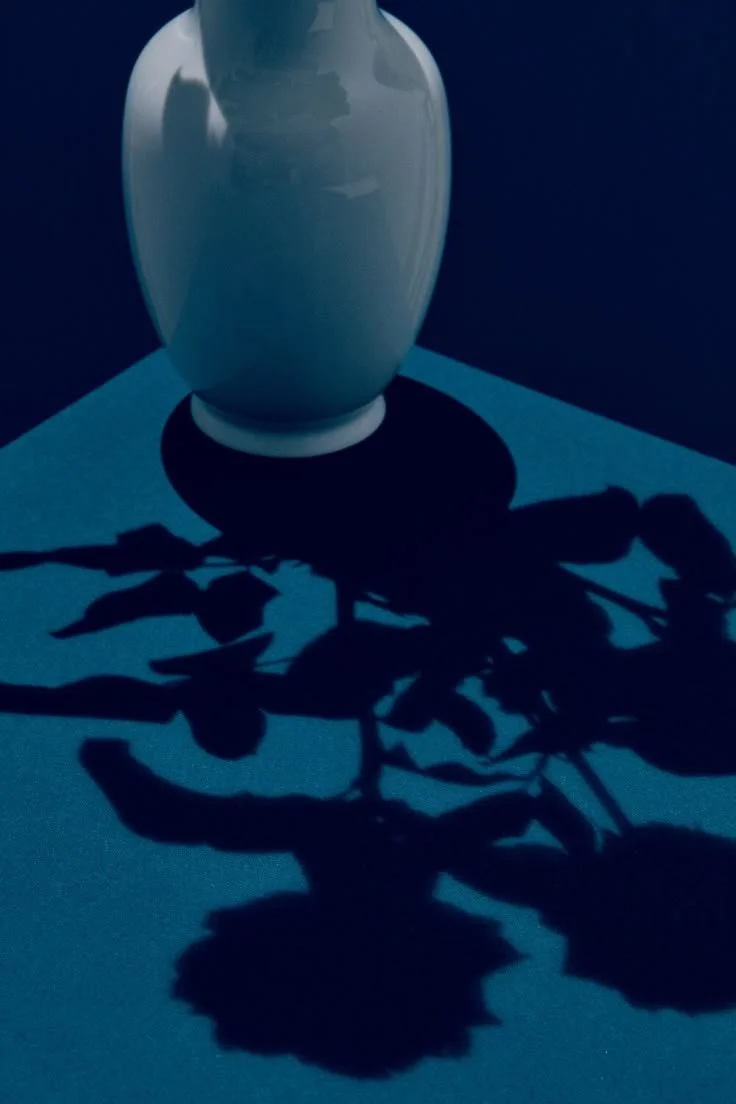
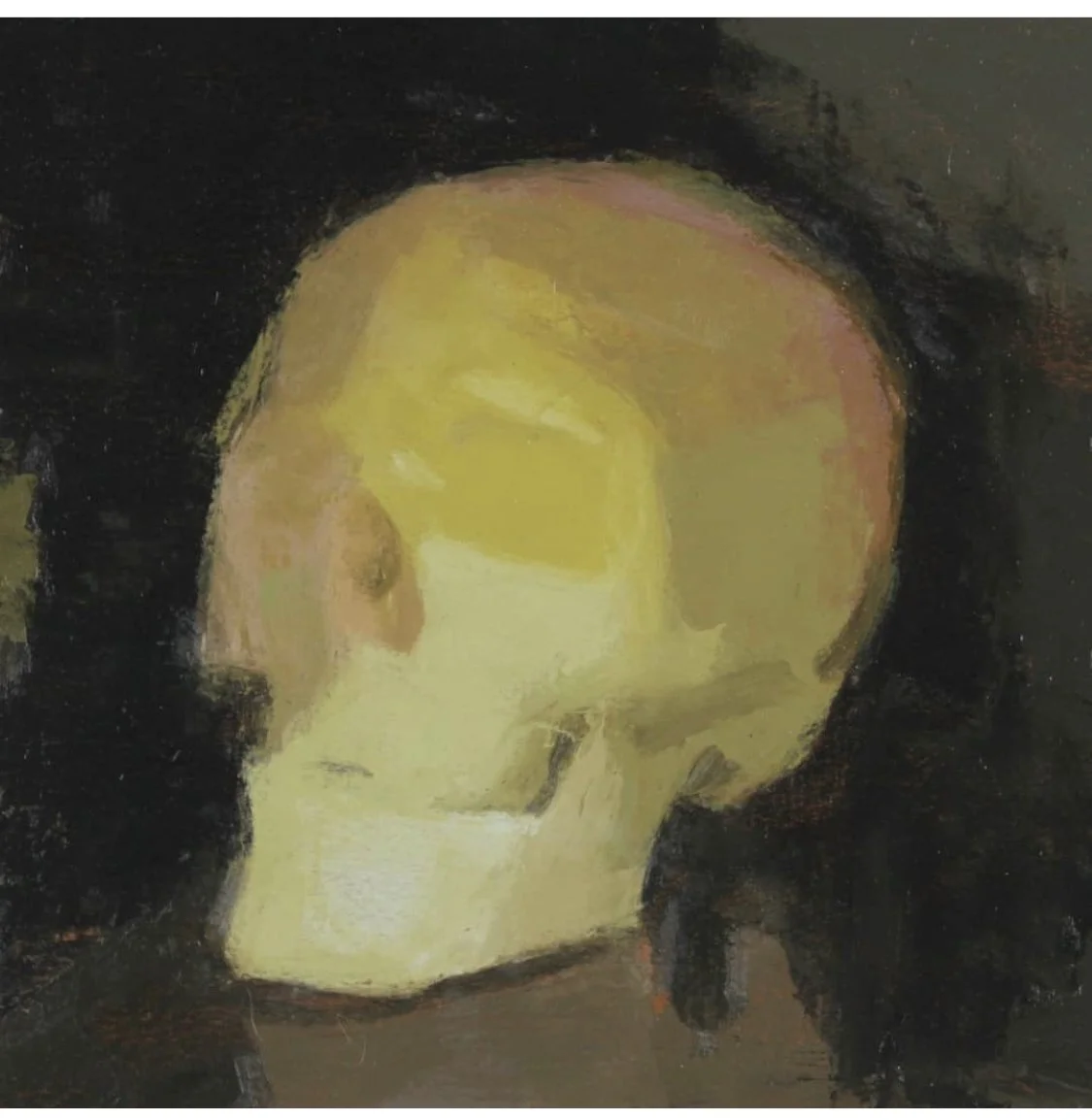
These artists zoomed in on shadows:
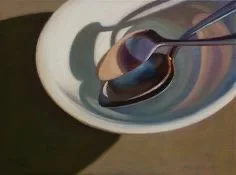
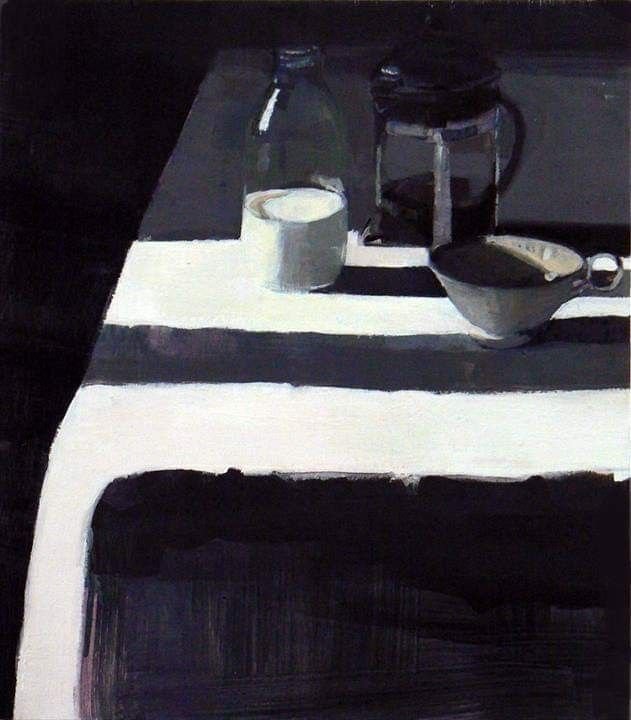
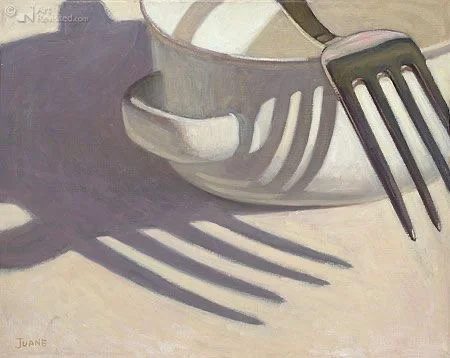
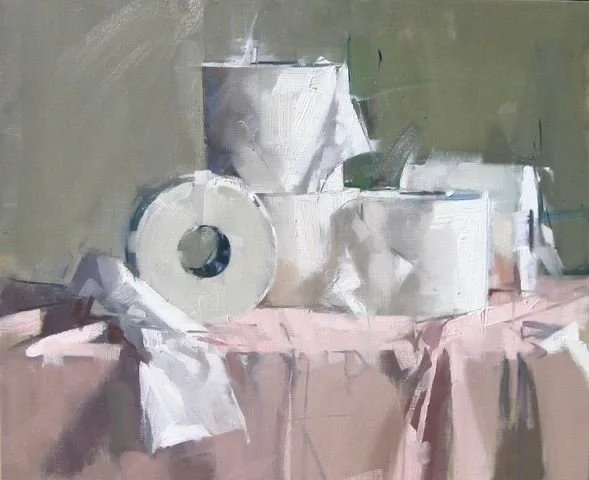
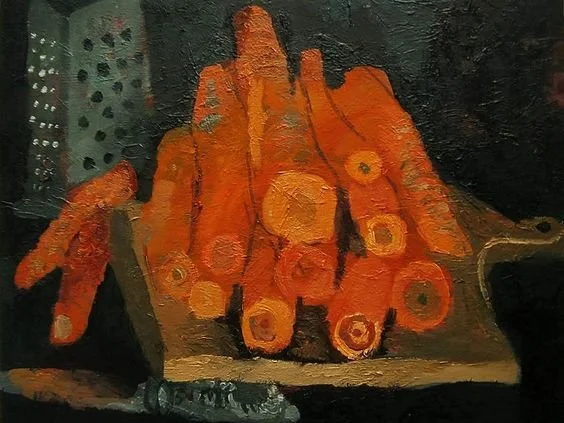
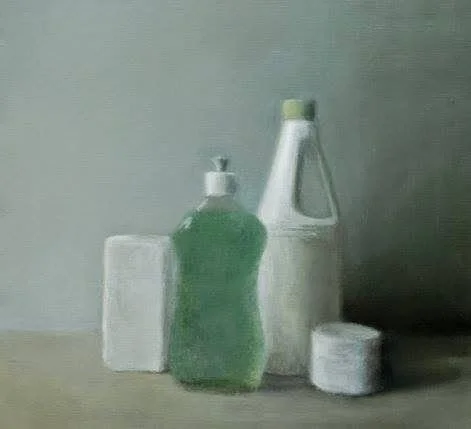
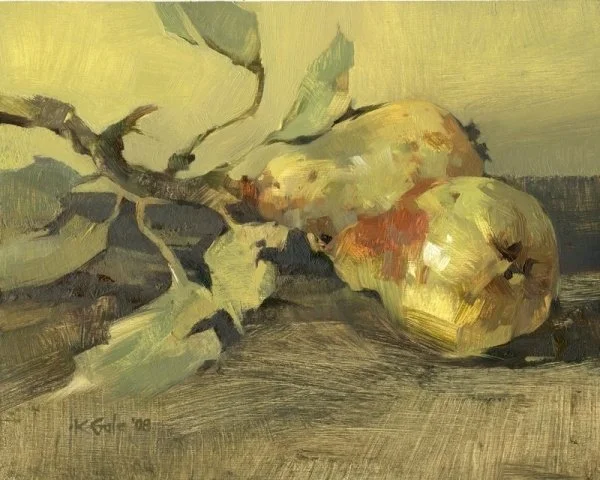
Some artists notice unexpected beauty in mundane, everyday objects:
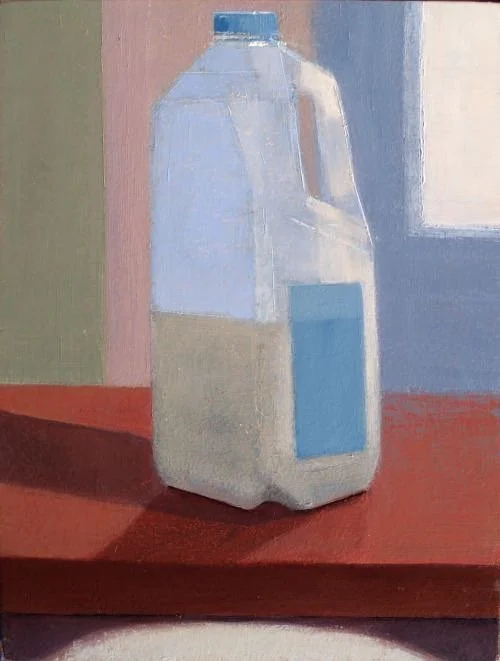
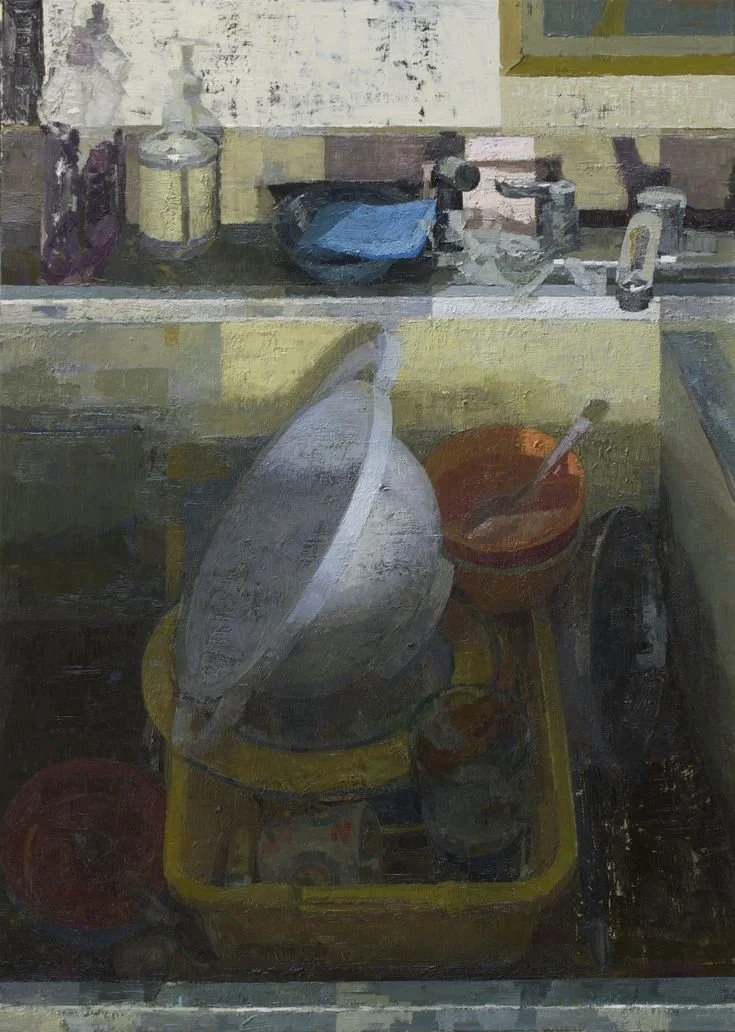
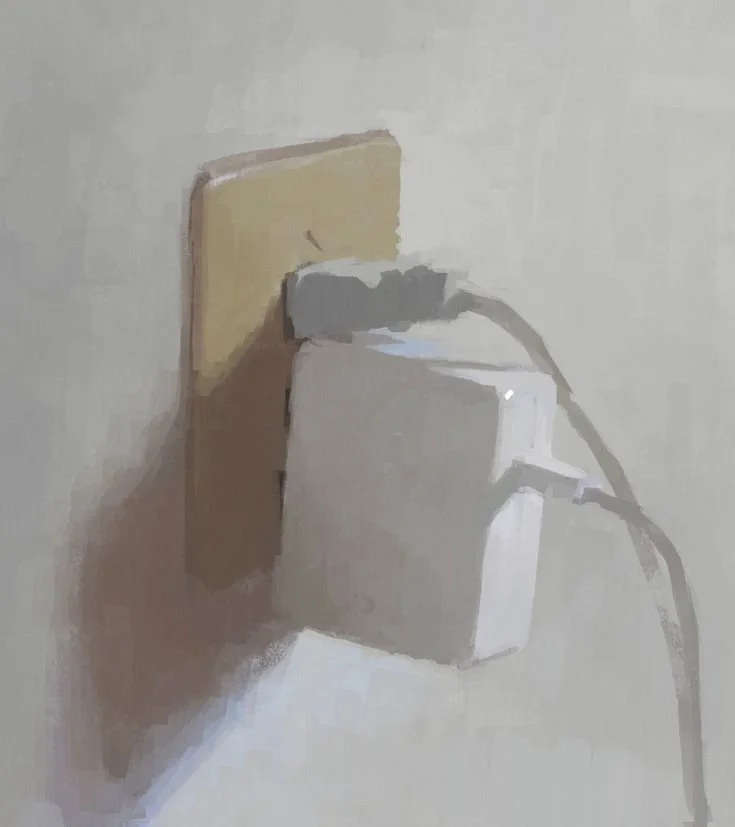
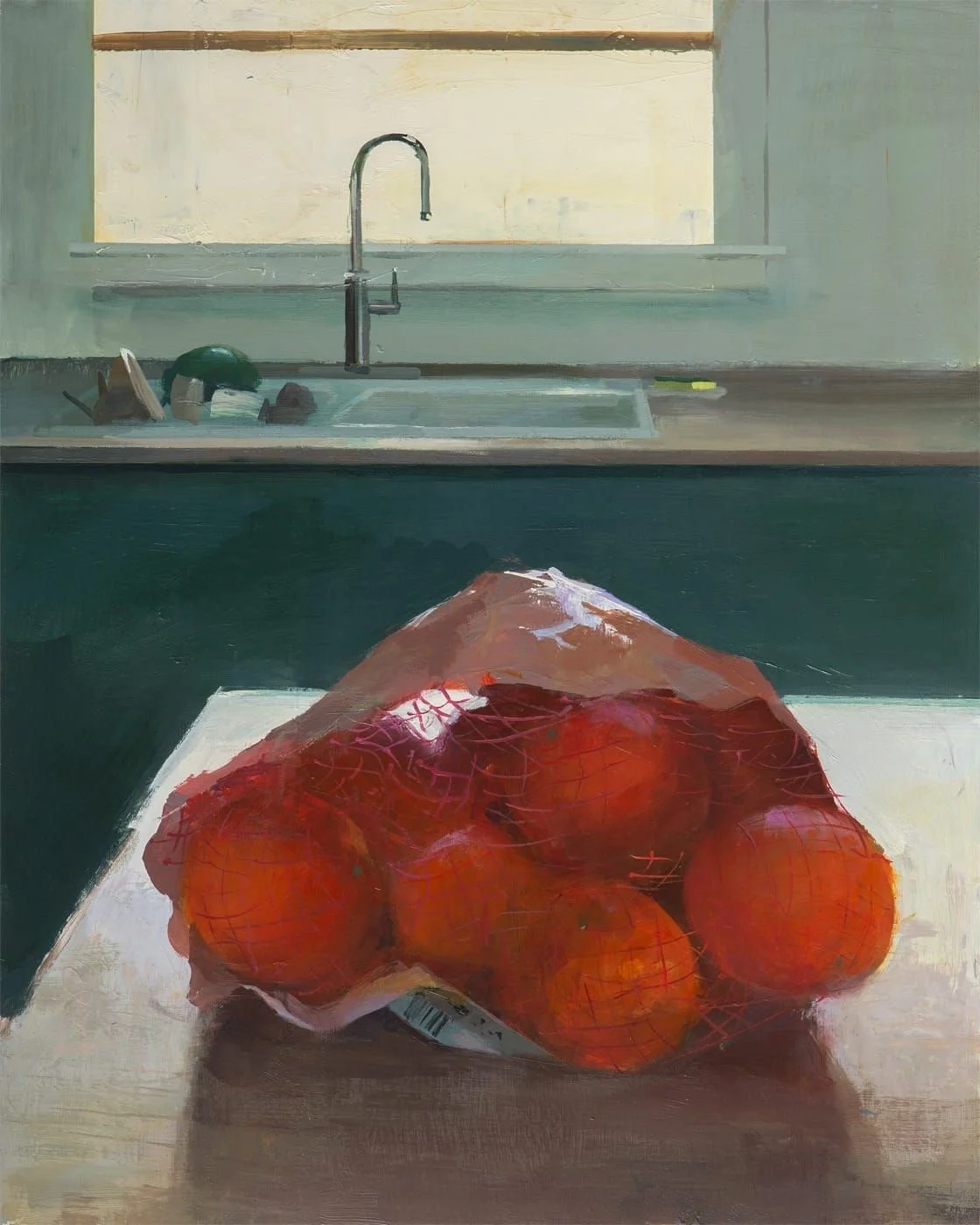
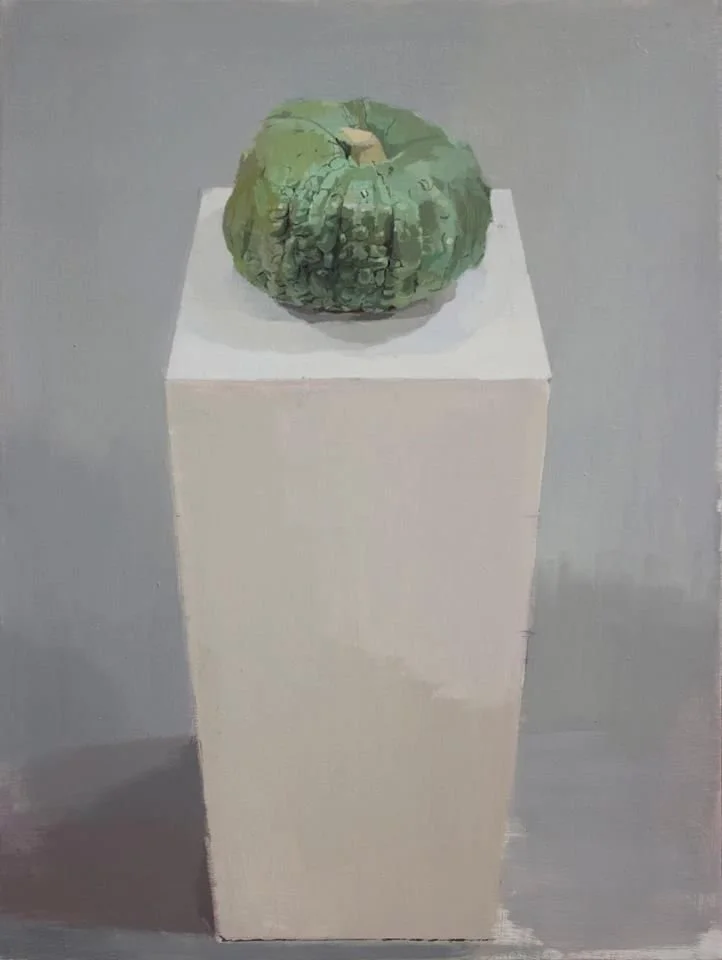
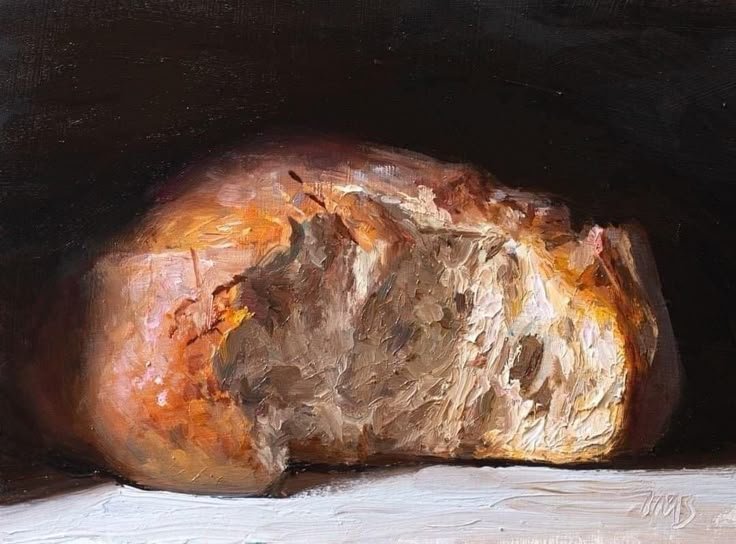
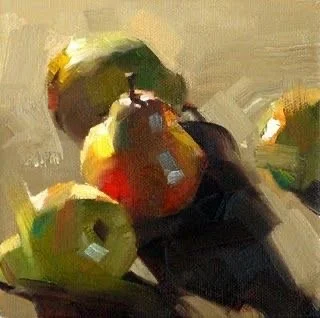
These artists seem to be pushing edge control:
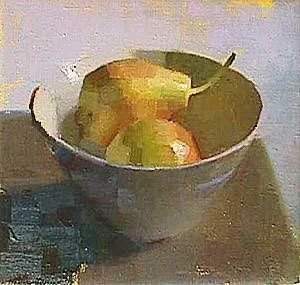
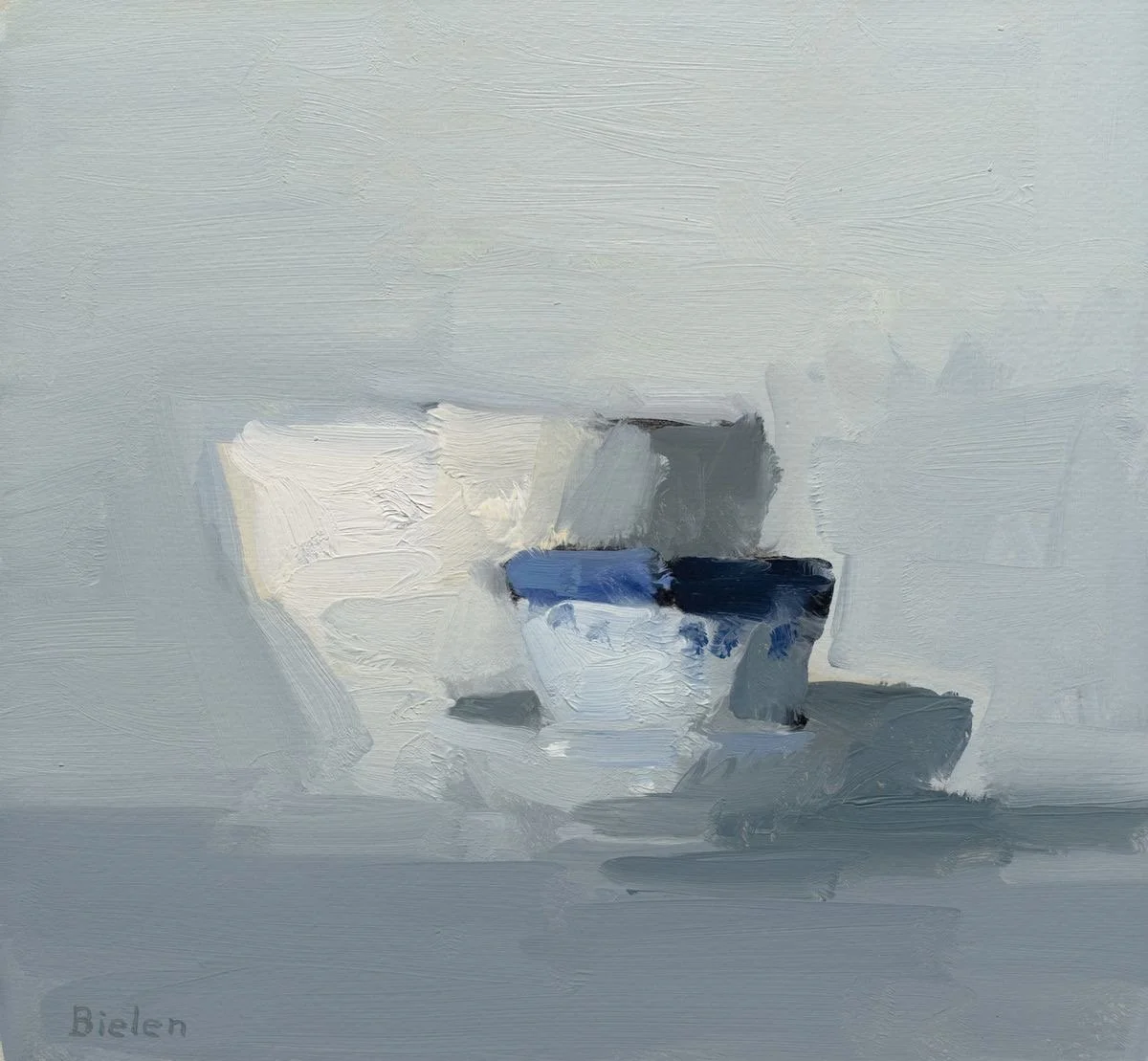
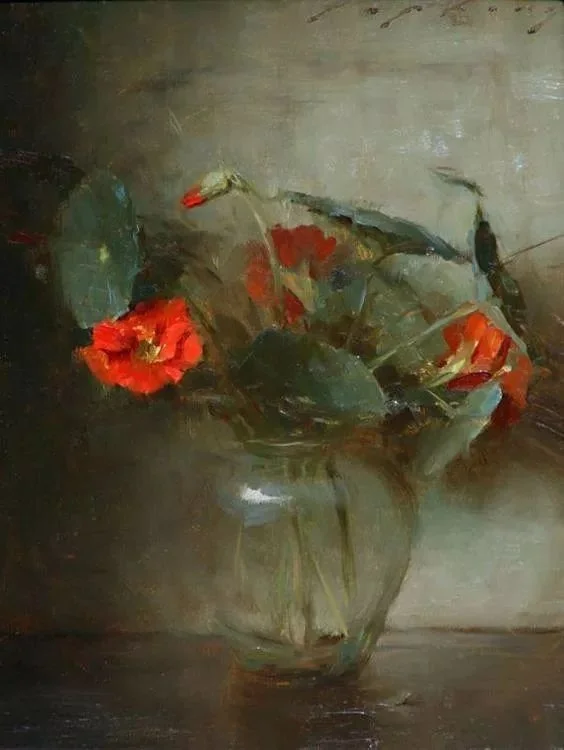
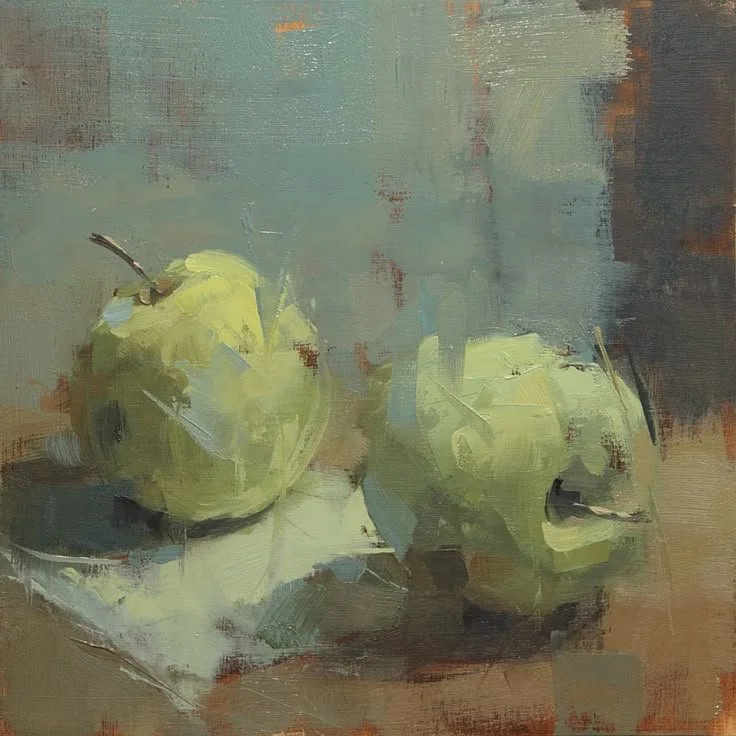
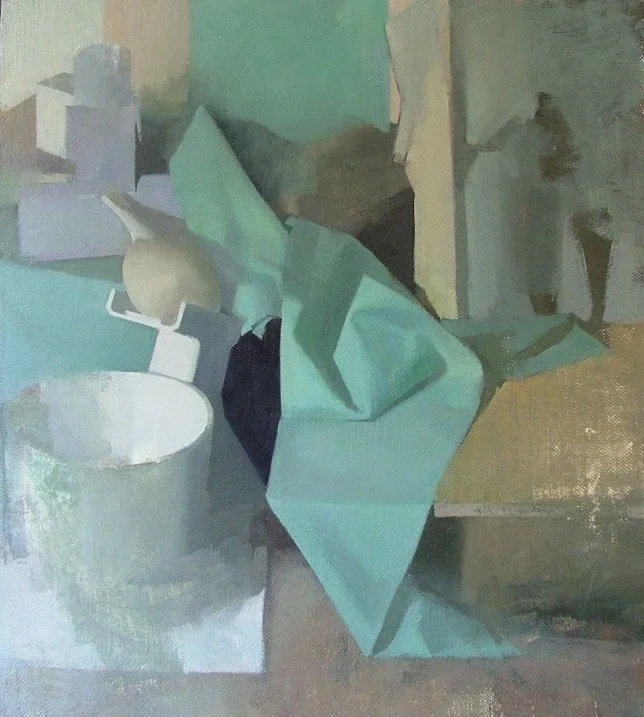
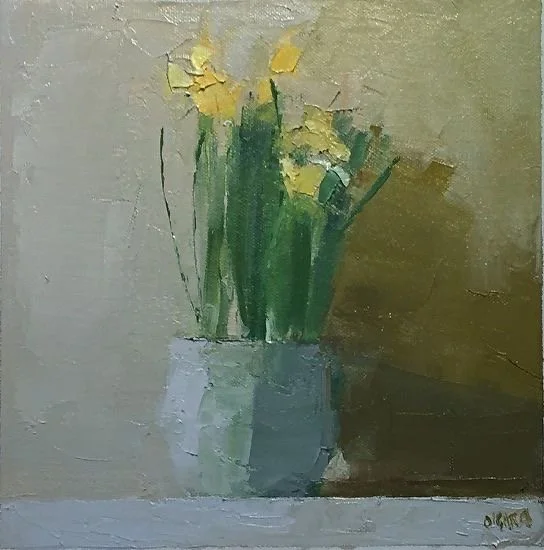
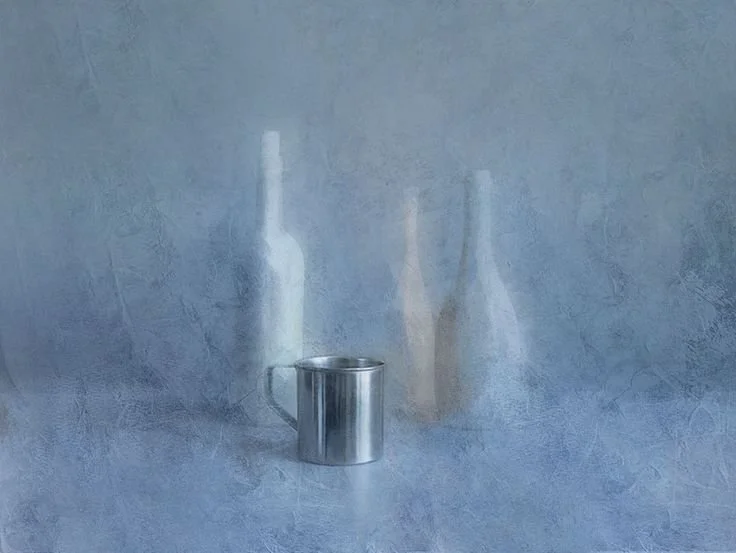

Here are examples of Artists focused on shape design design:
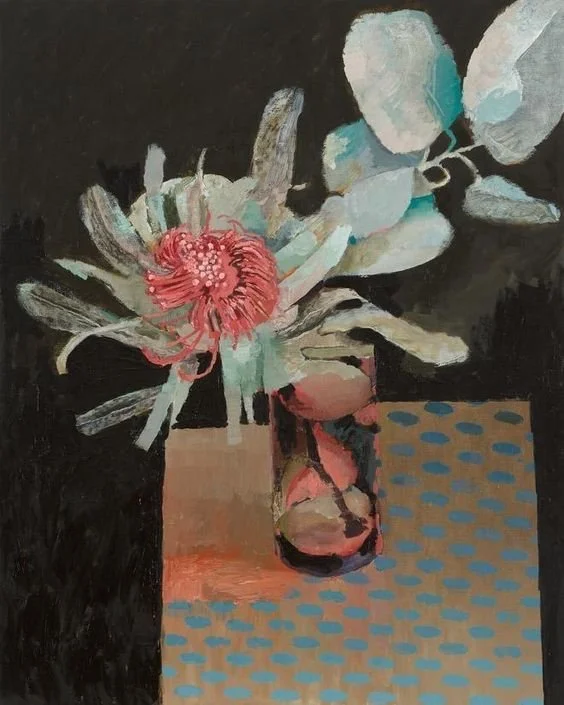
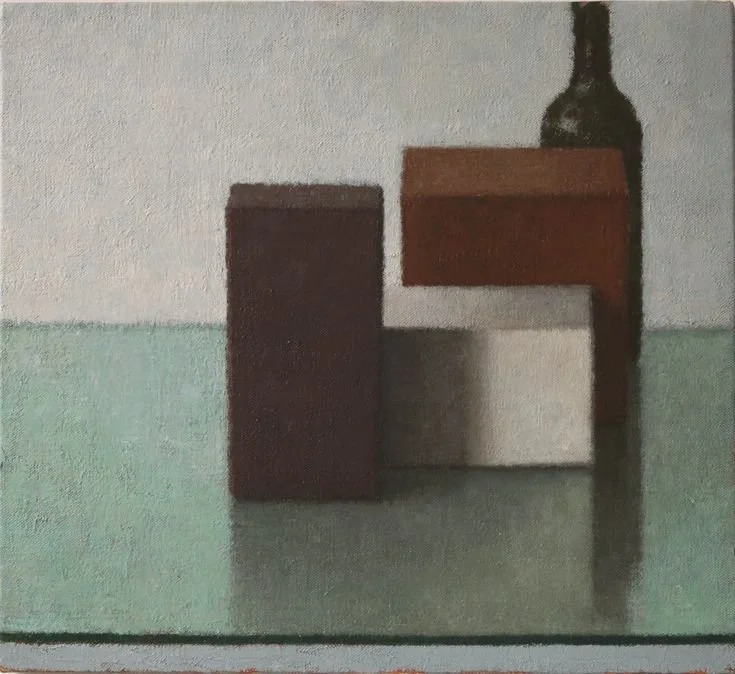
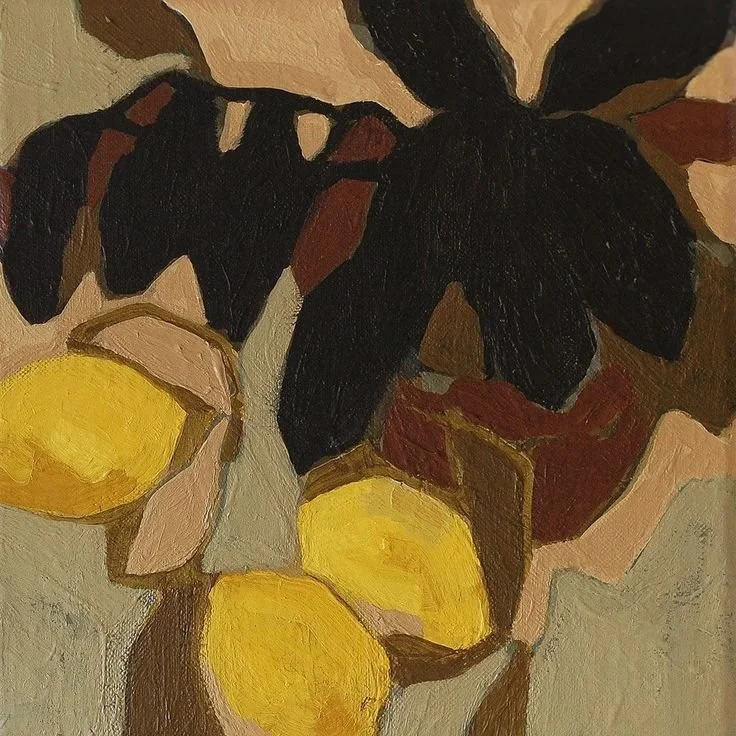
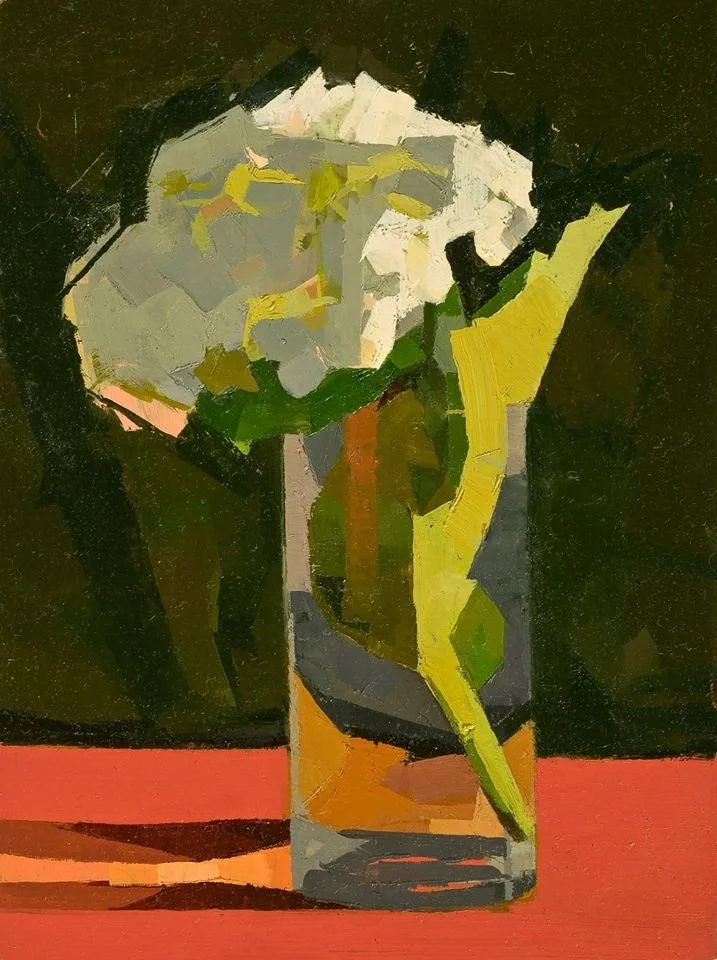
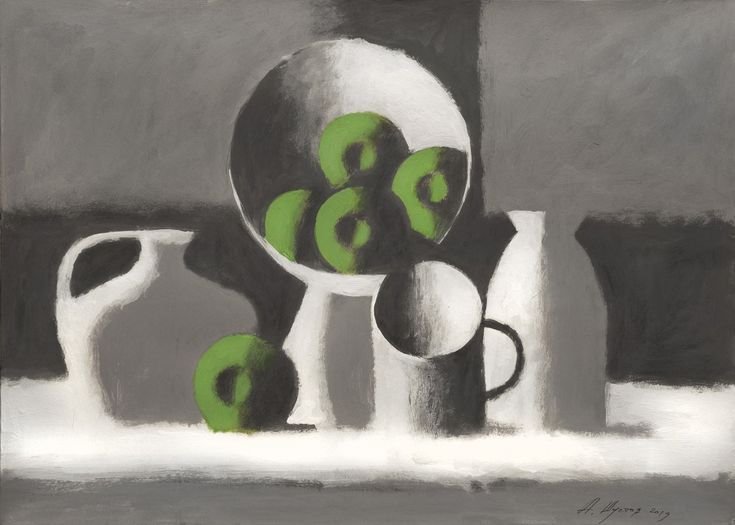
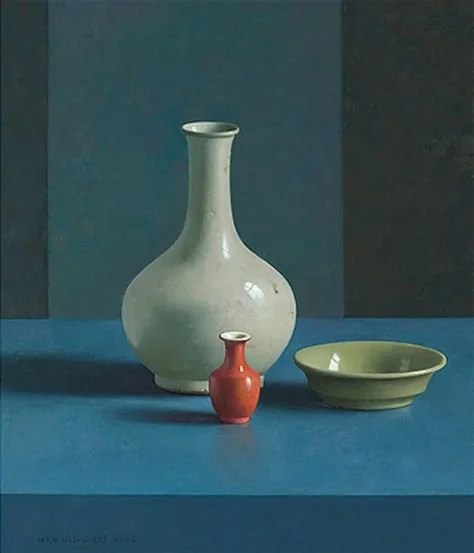
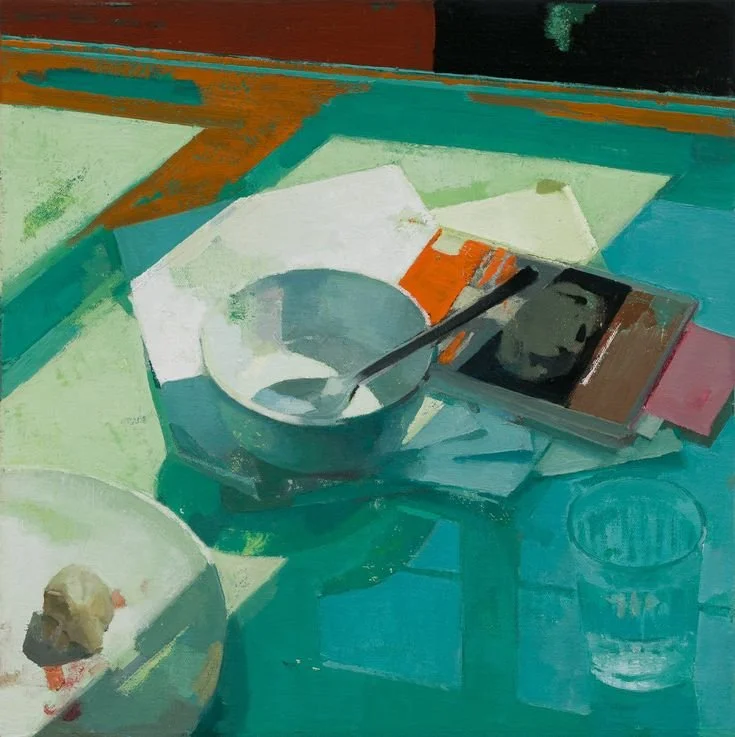
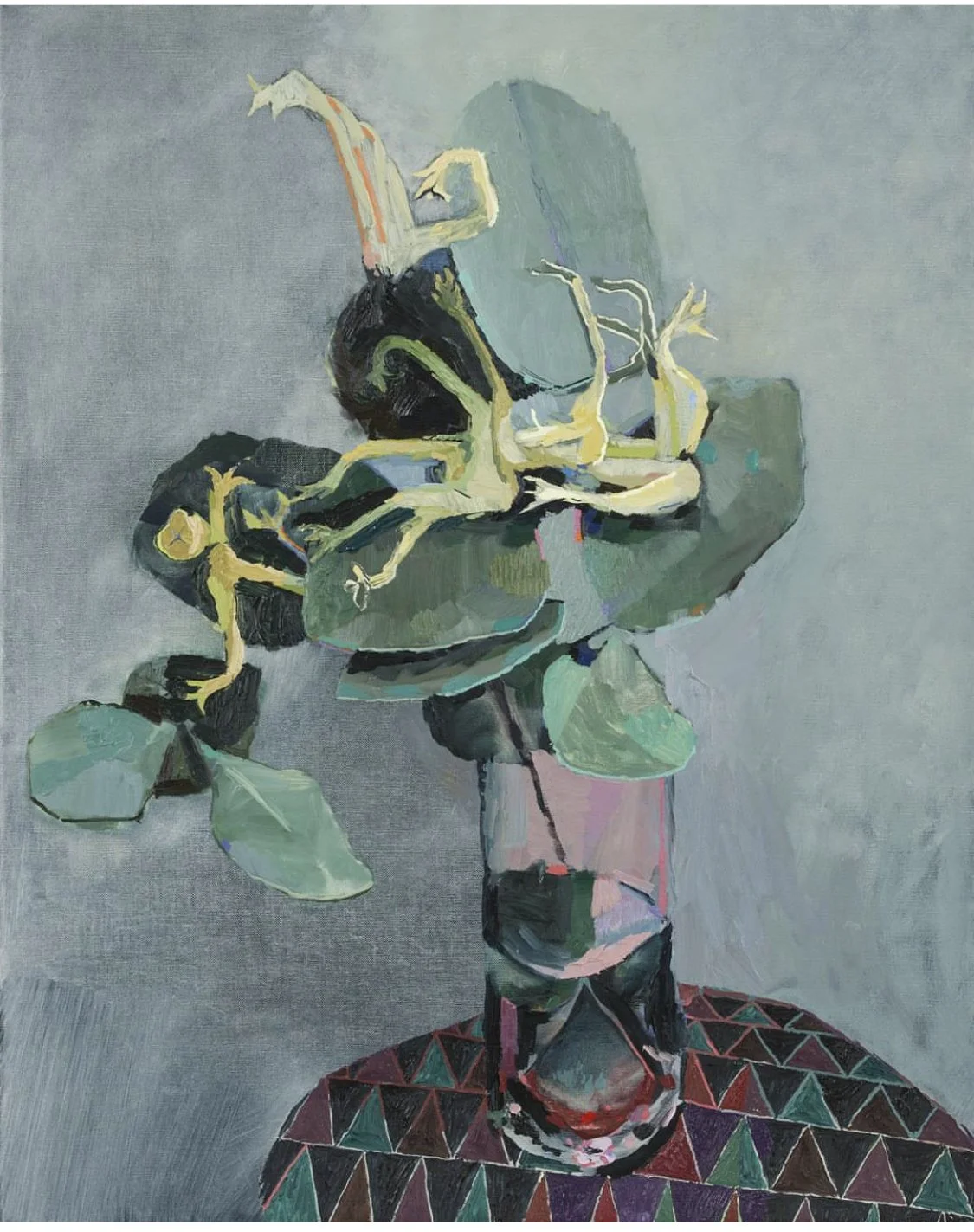
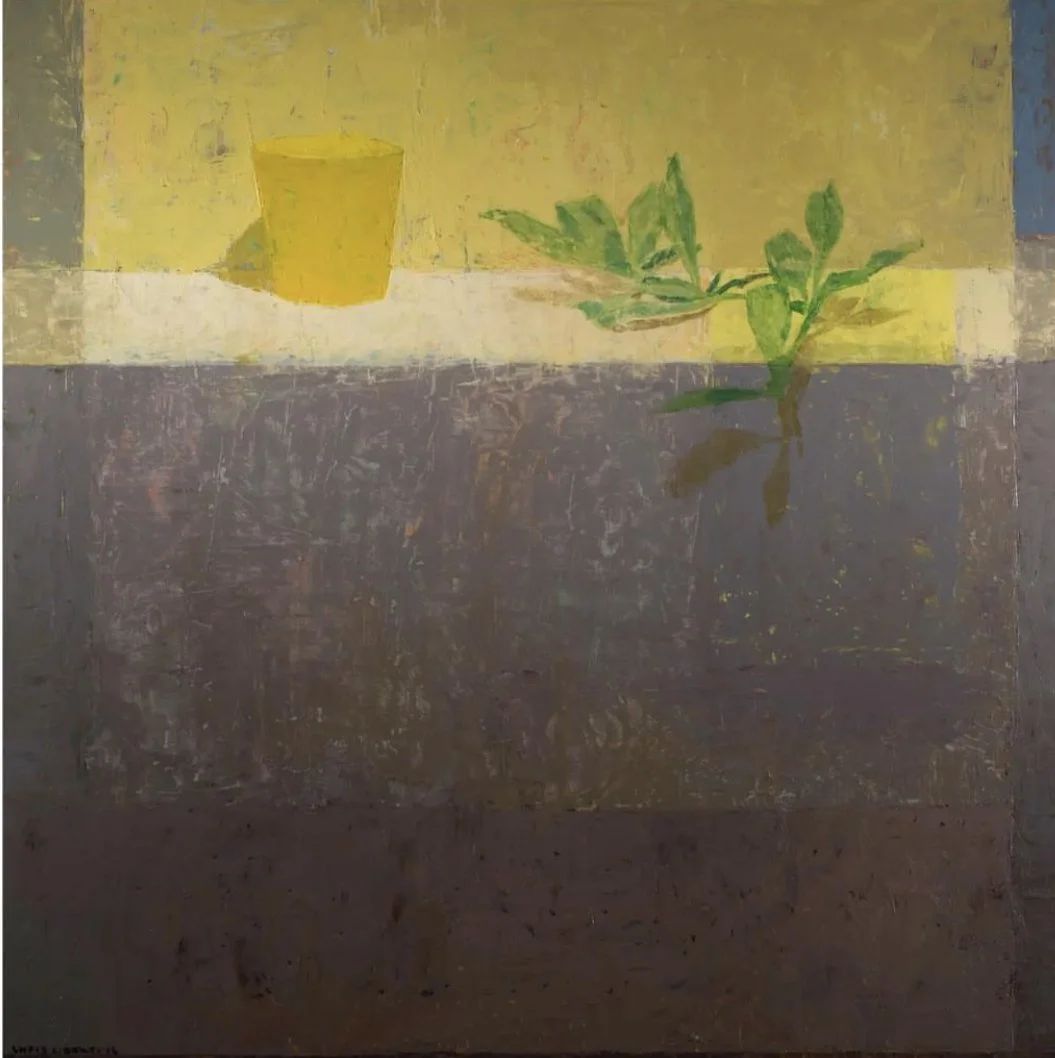
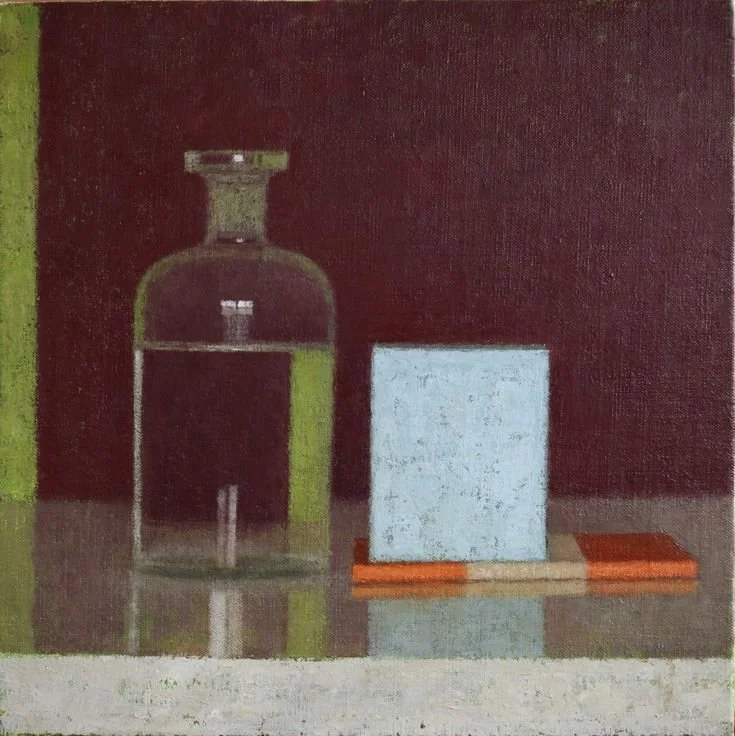
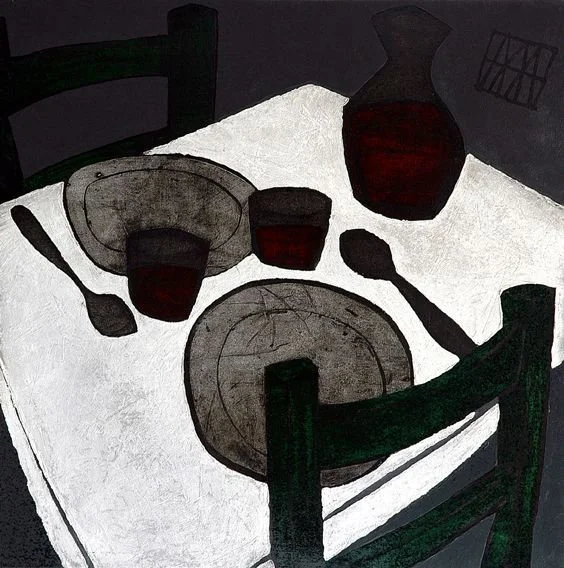
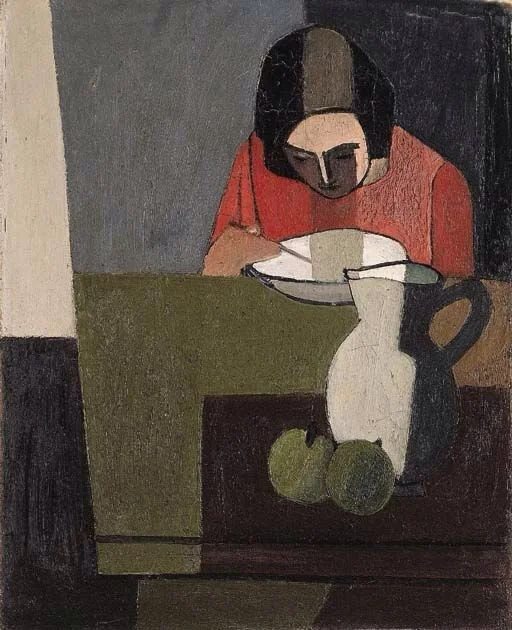
Patern
Here we see the mind's eye at work: the internal ability to notice and interpret visual information; determines what details register.
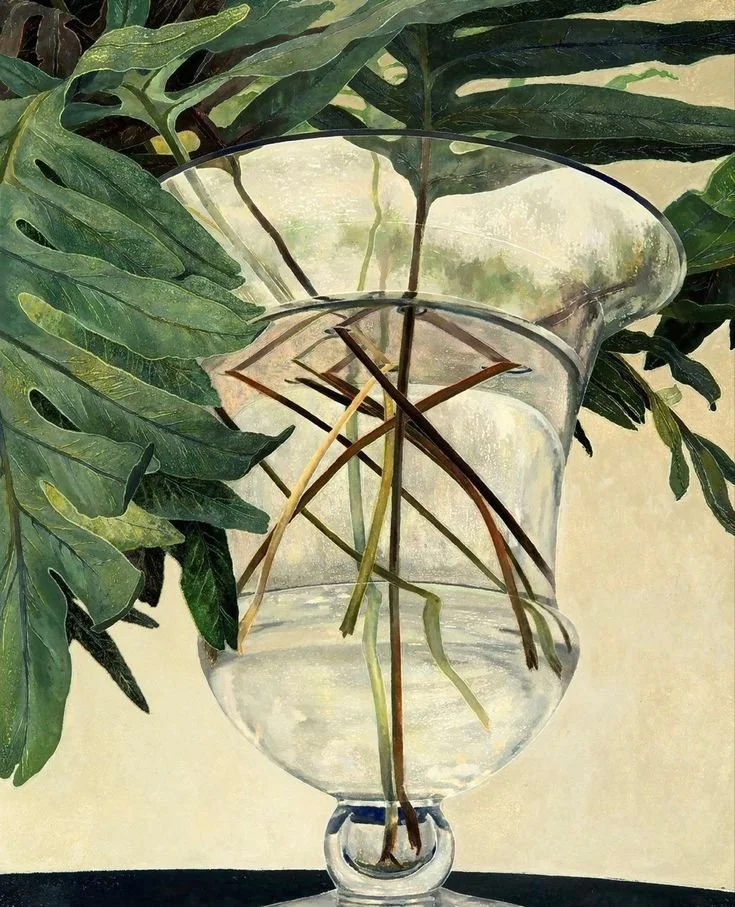
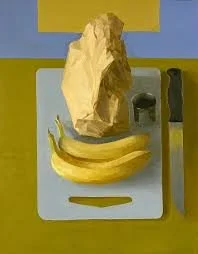
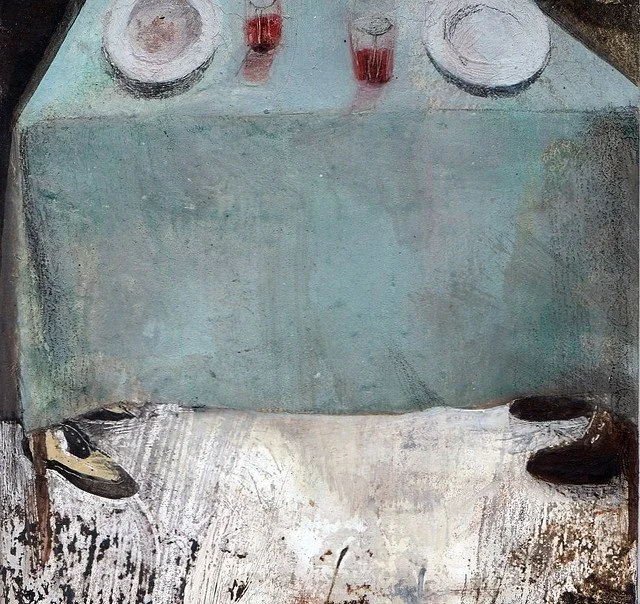
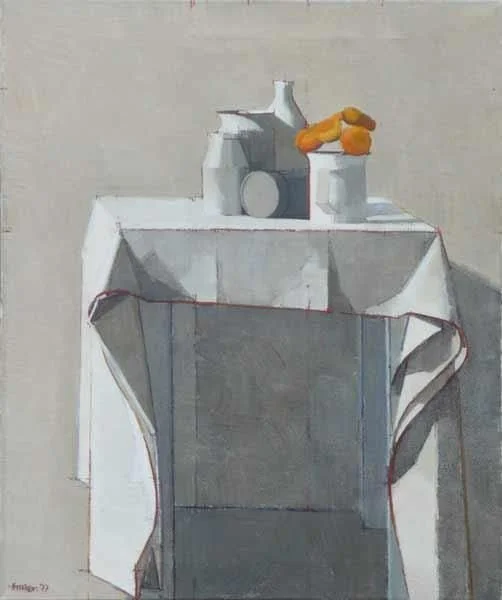
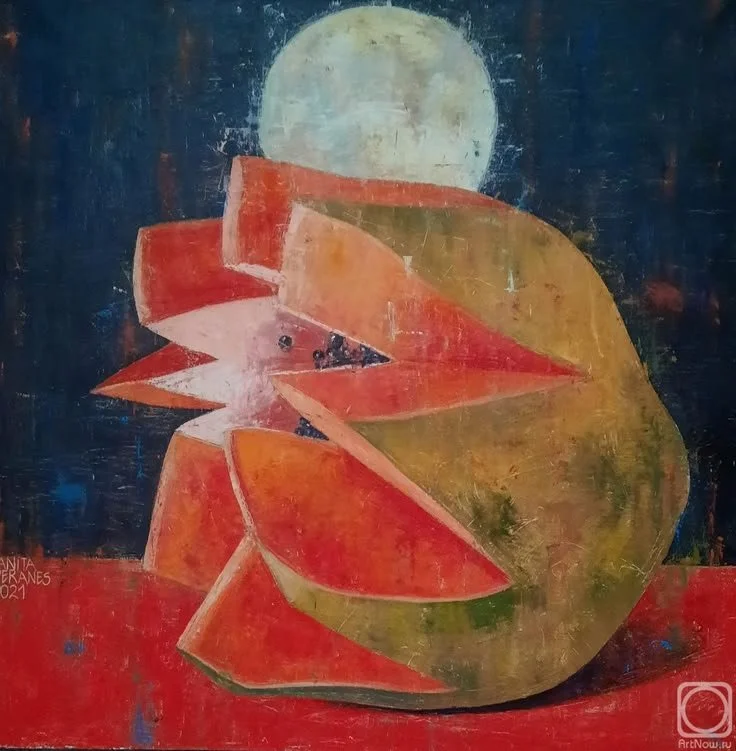
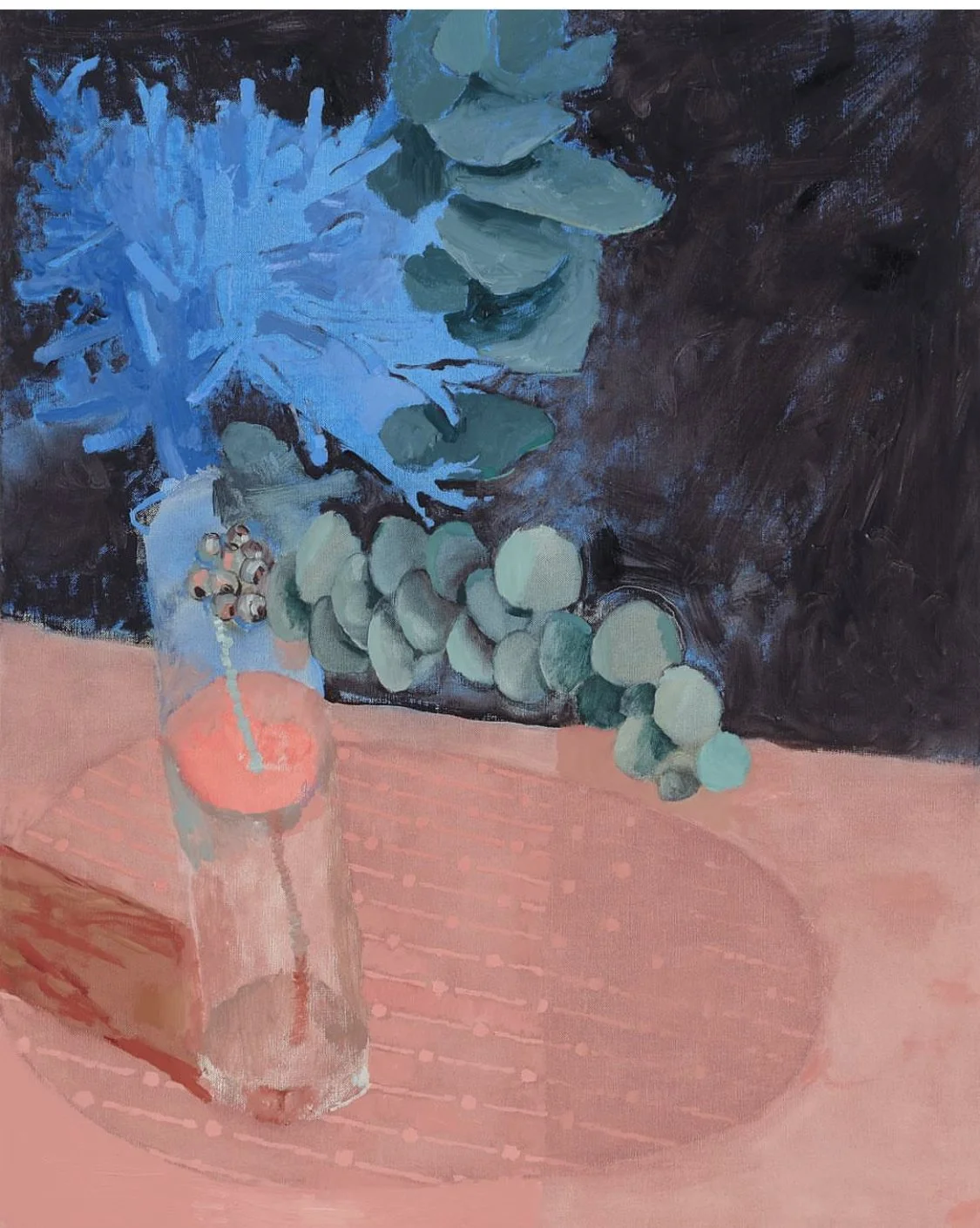
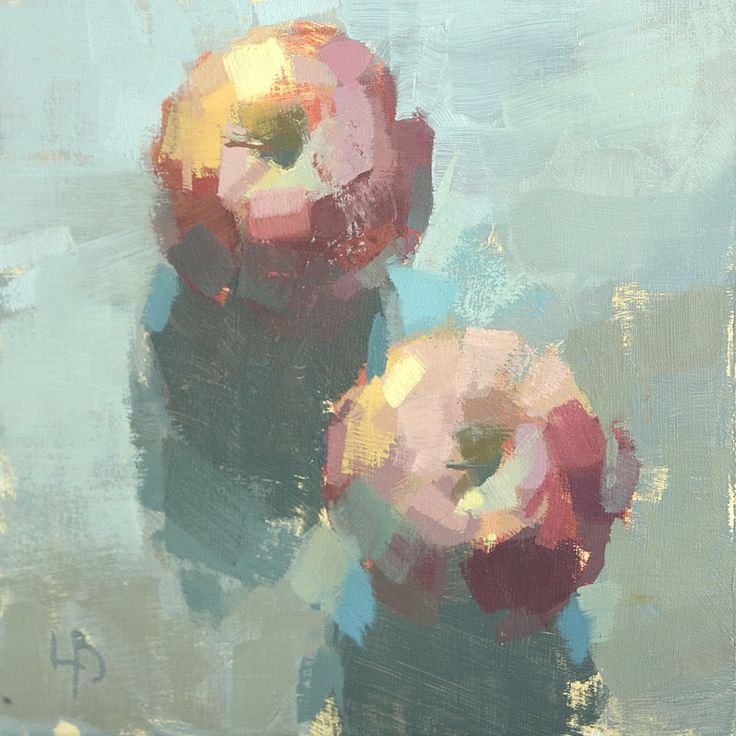
Here the intention seems to be colour harmony and the intentional selection and balance of colours to create a unified palette.
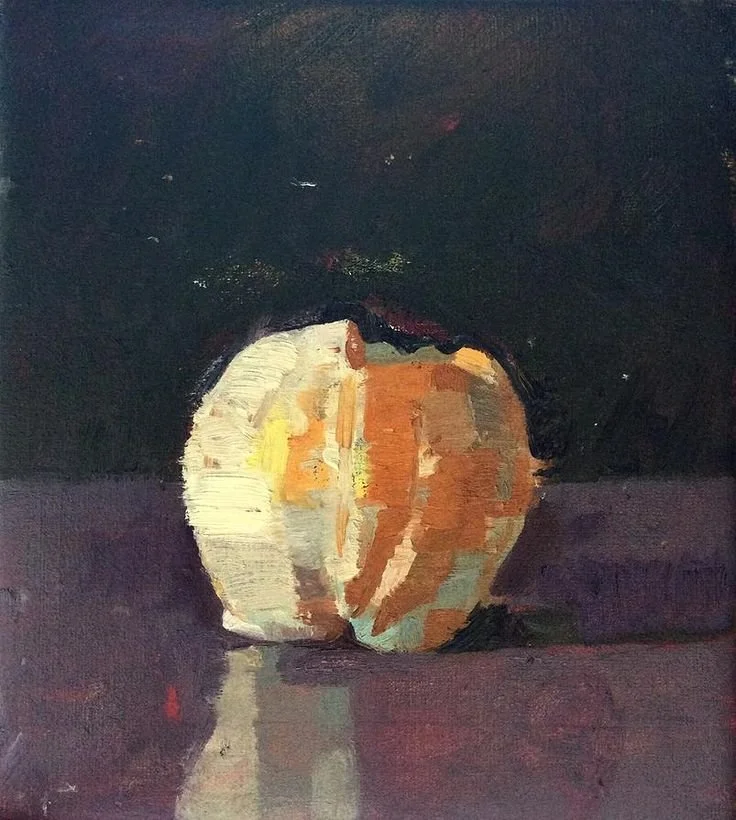
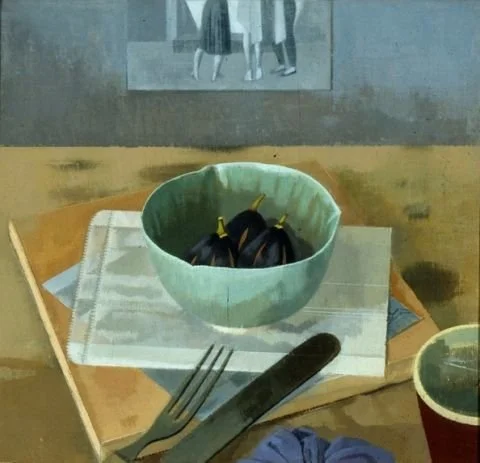
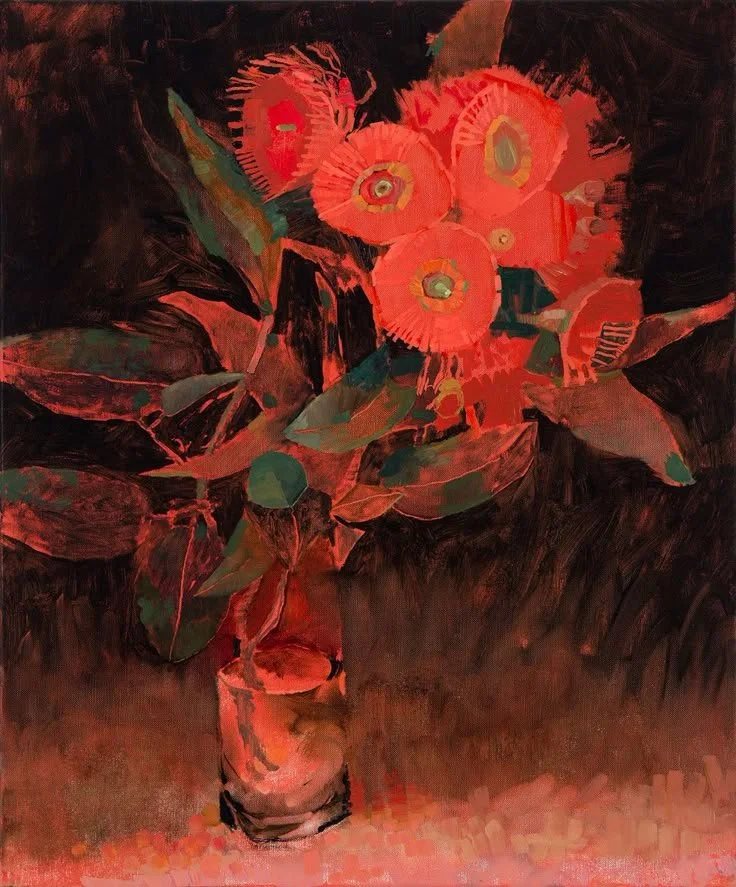
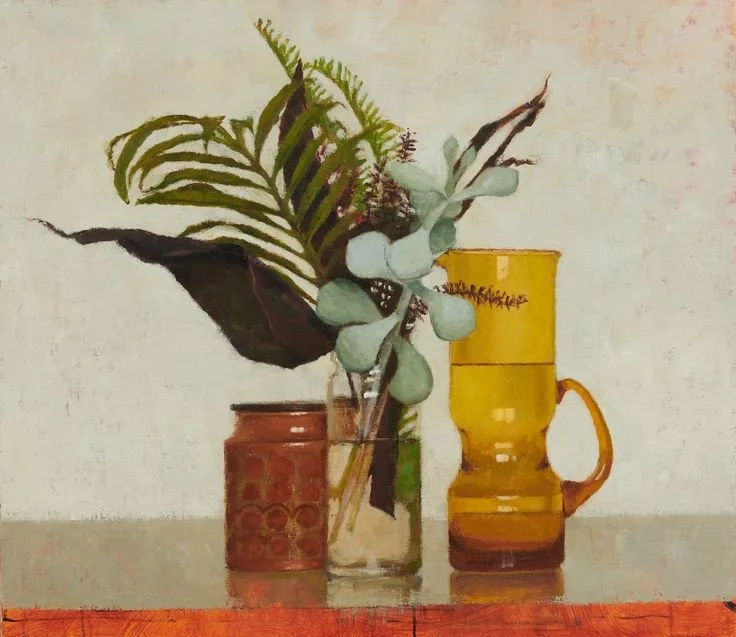
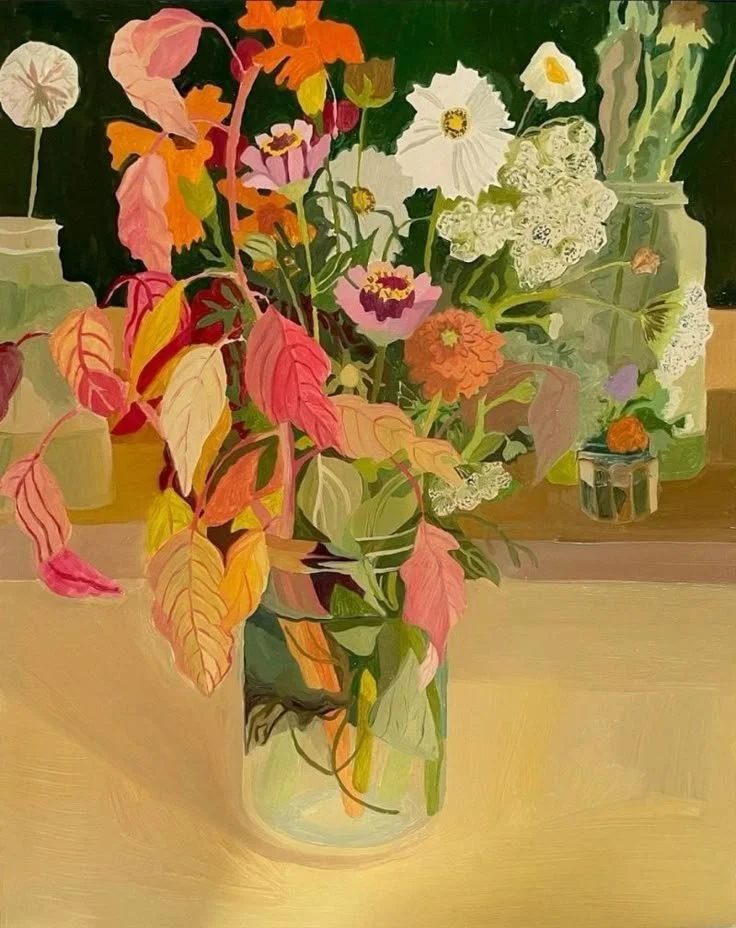
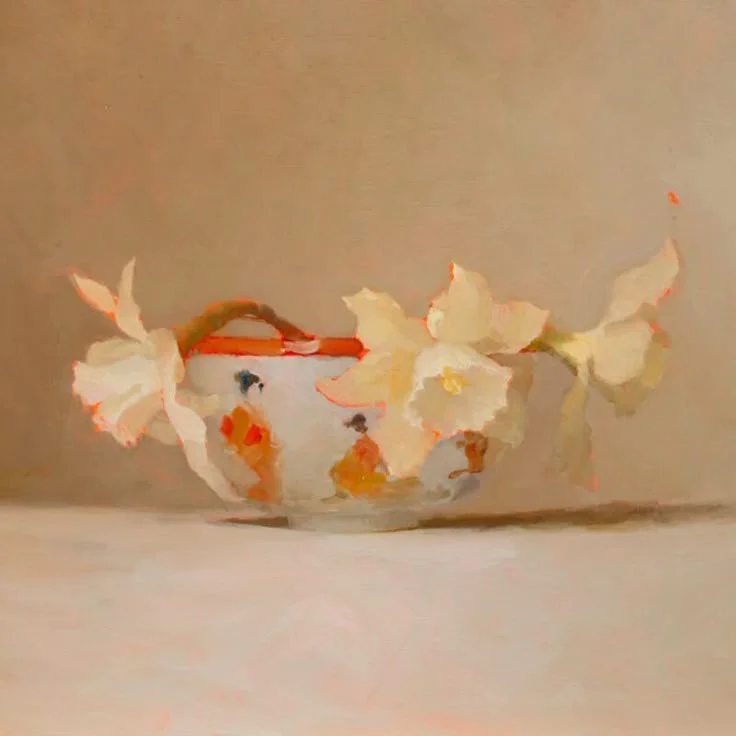
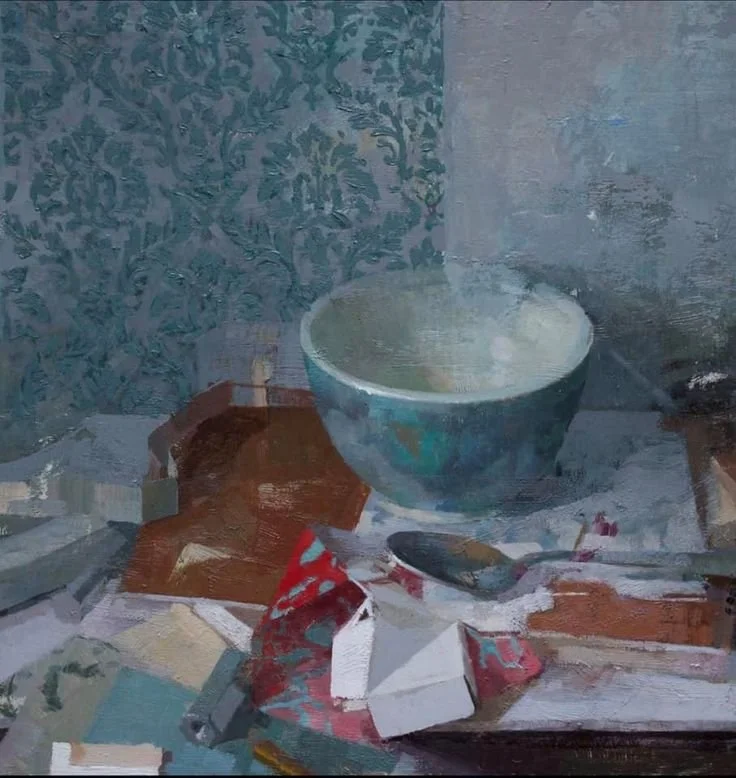
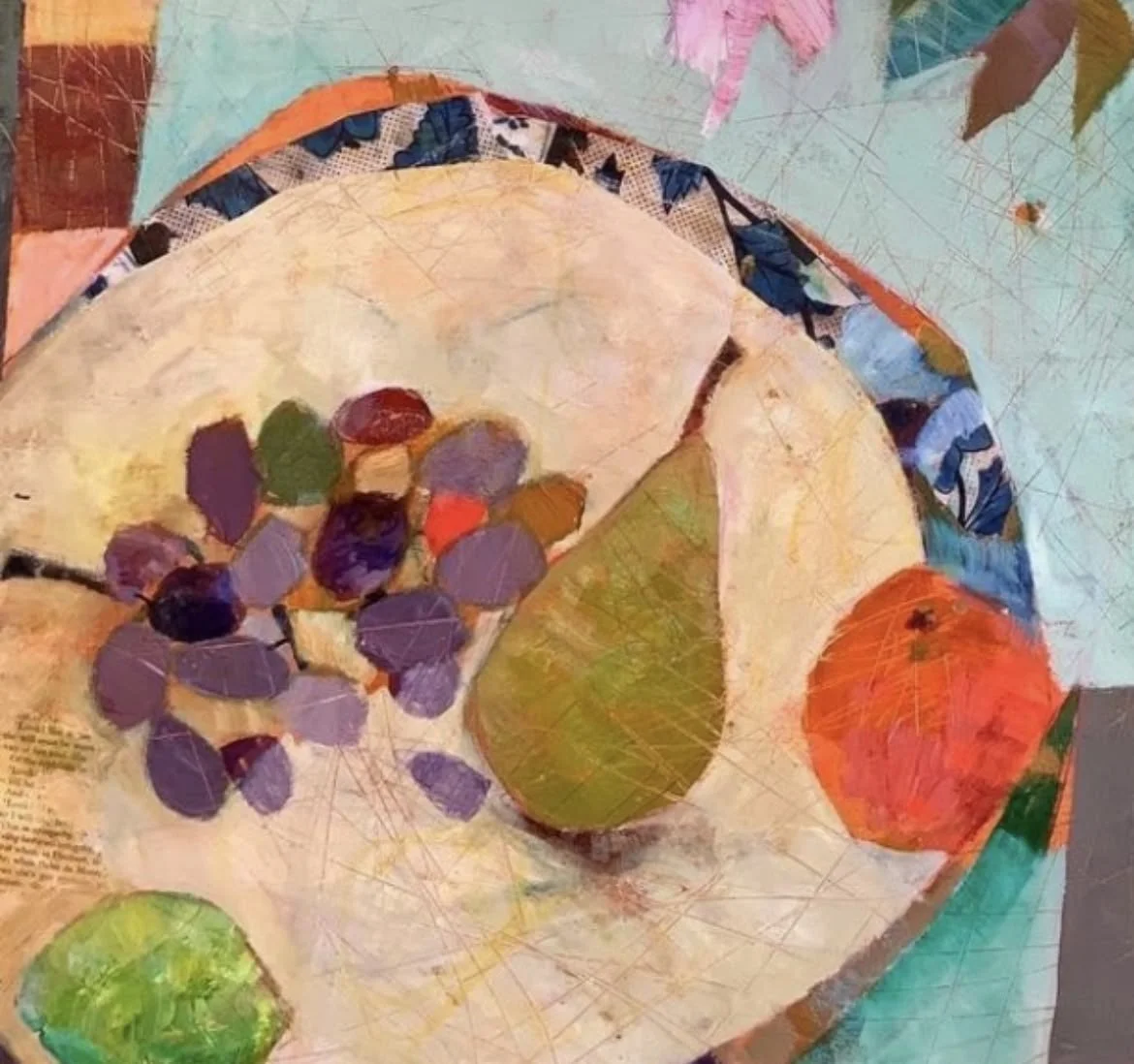
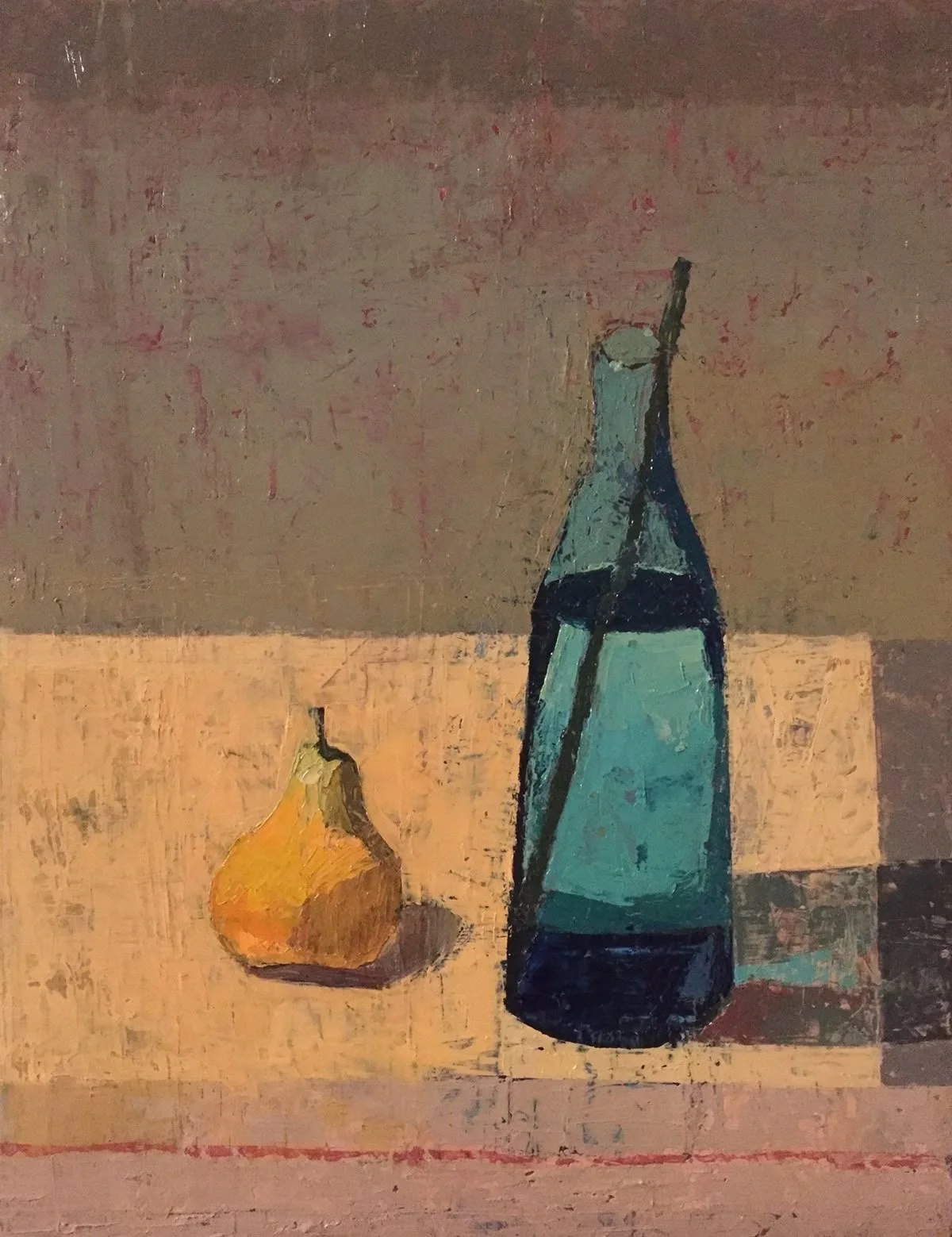
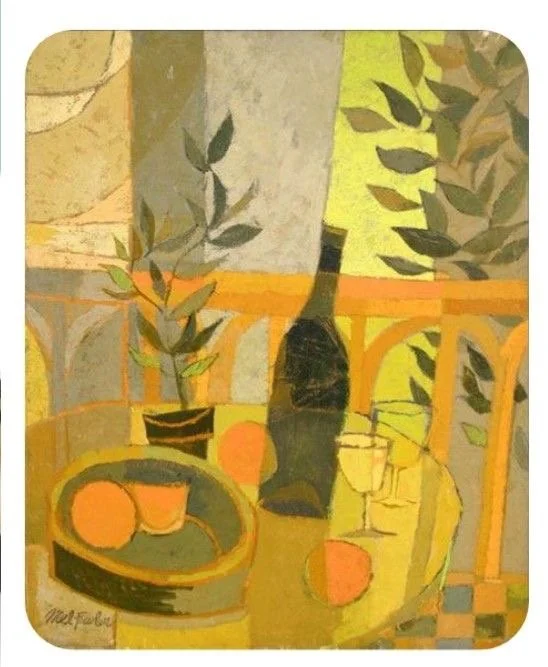
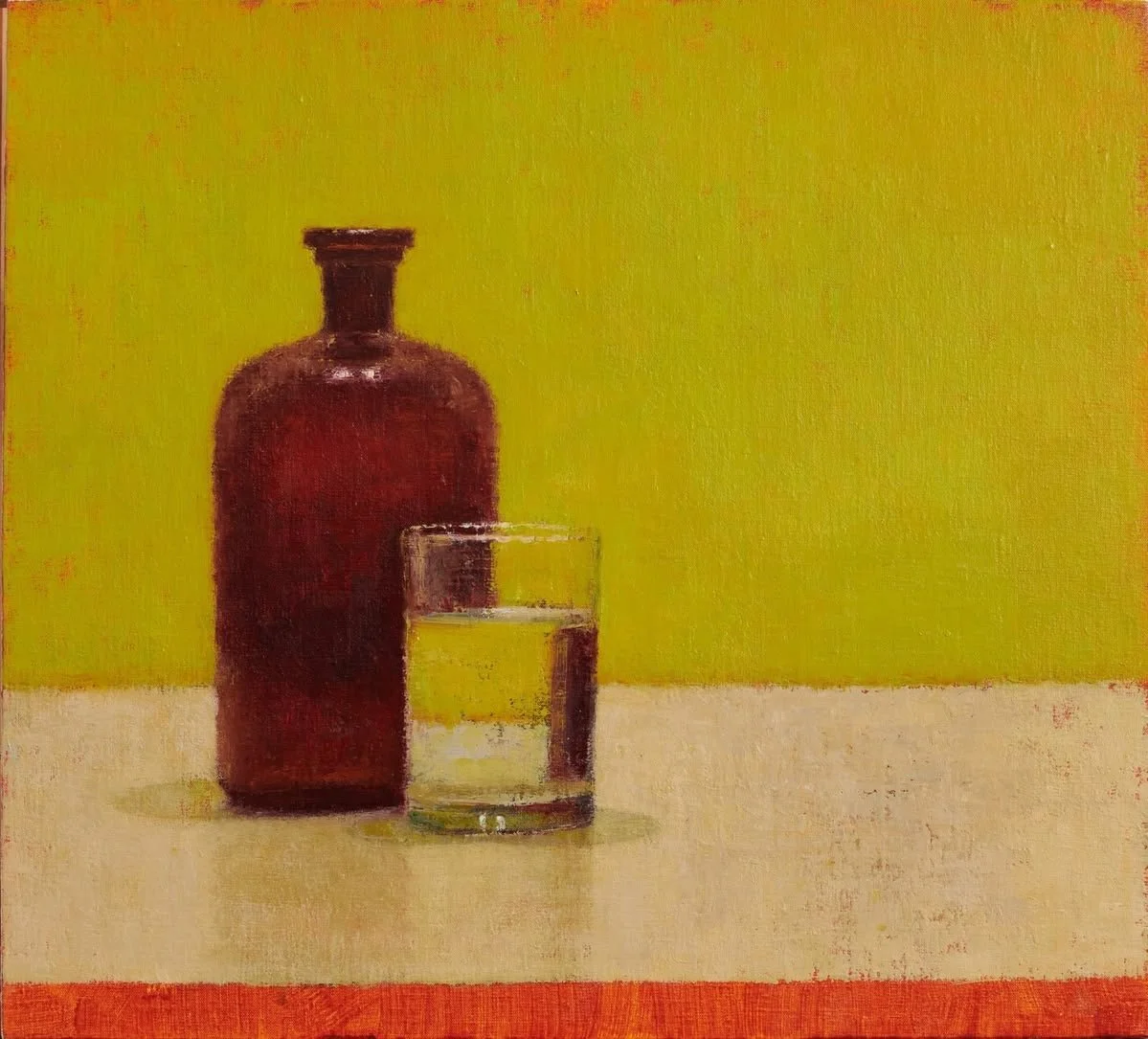
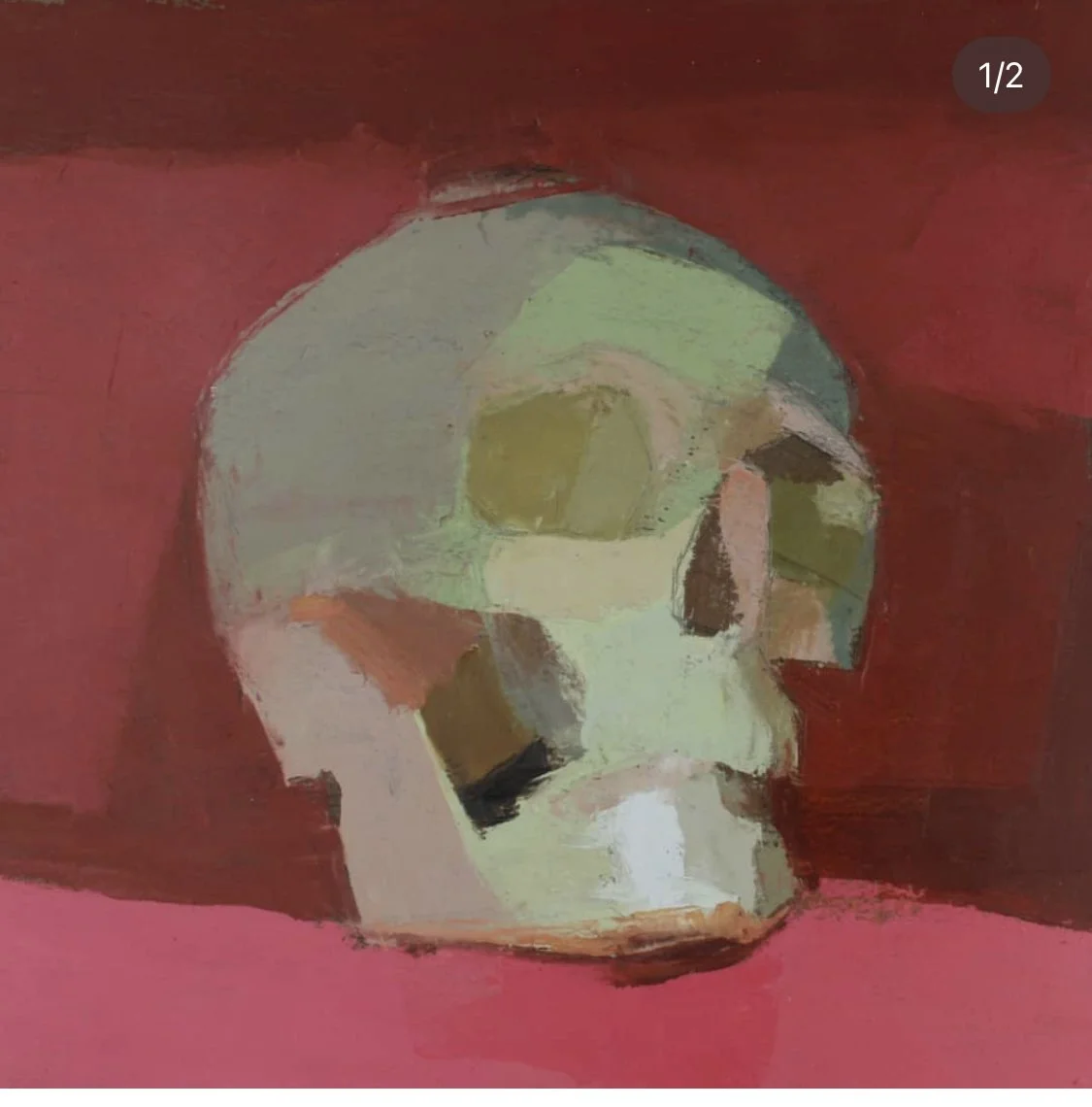
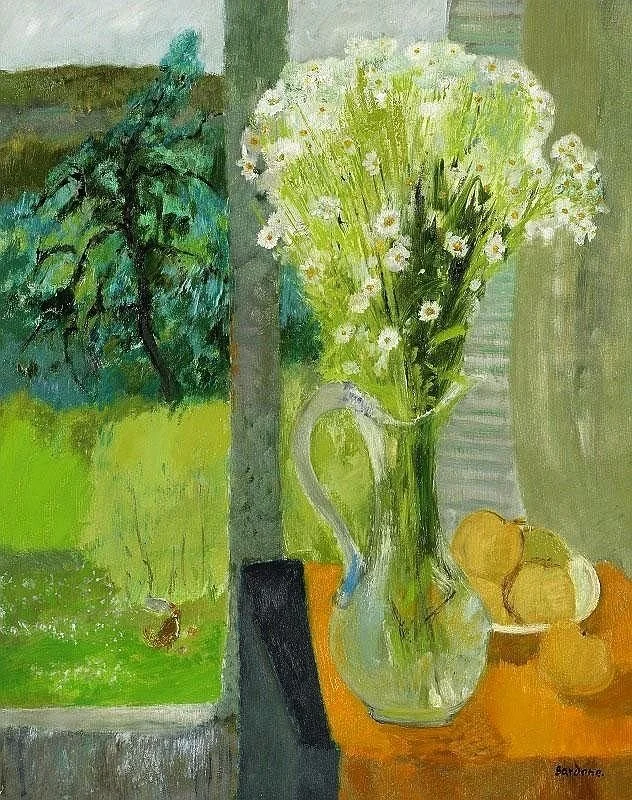
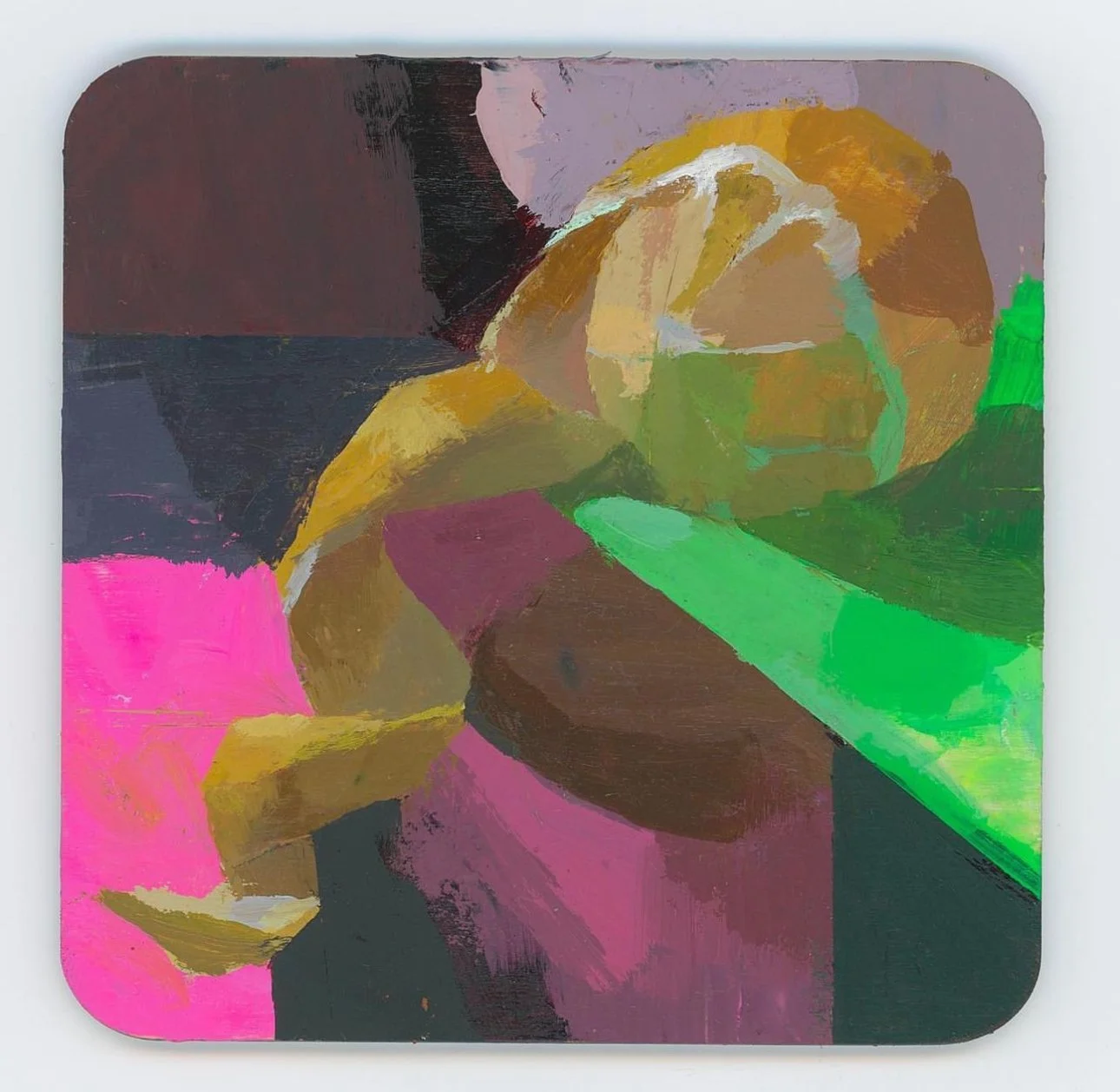
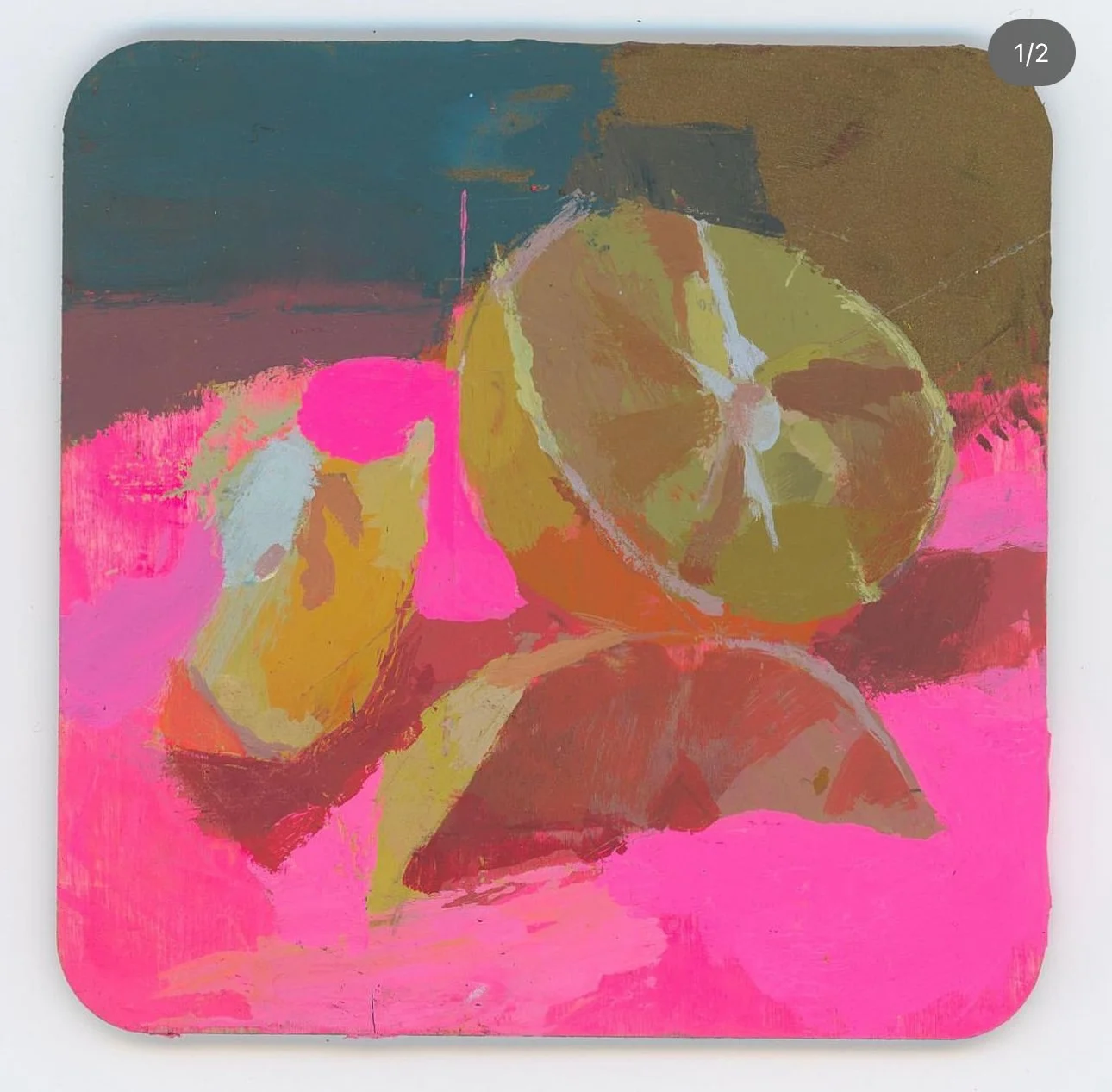
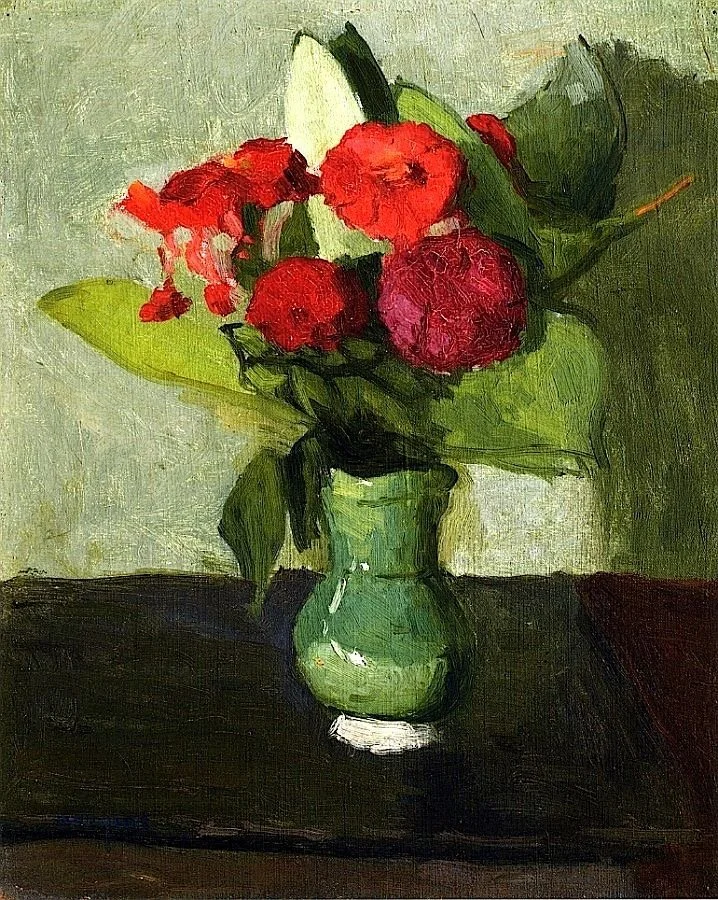
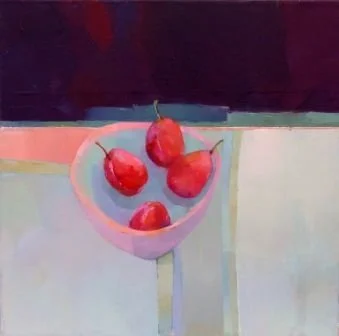
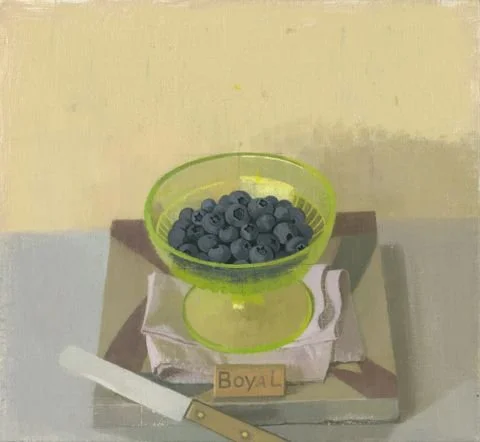
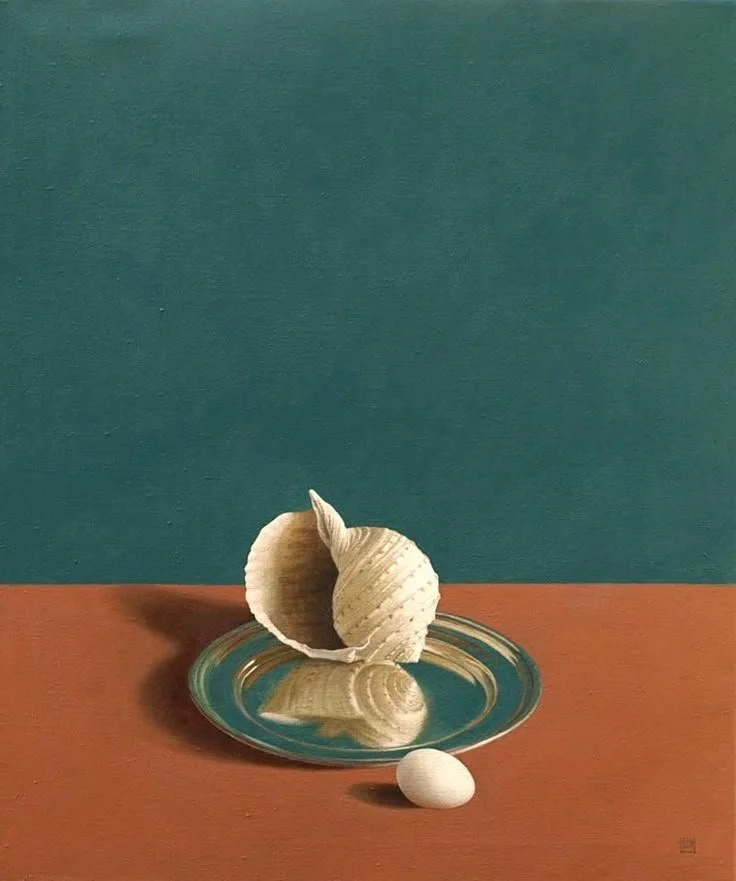
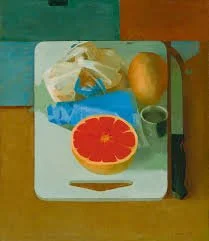
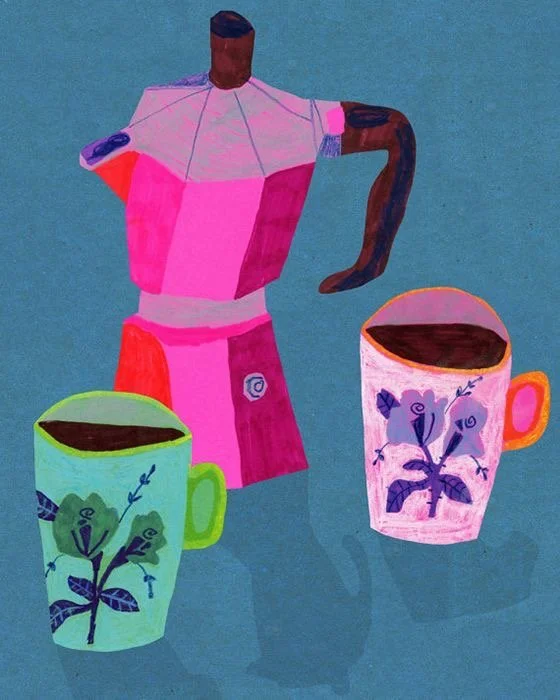
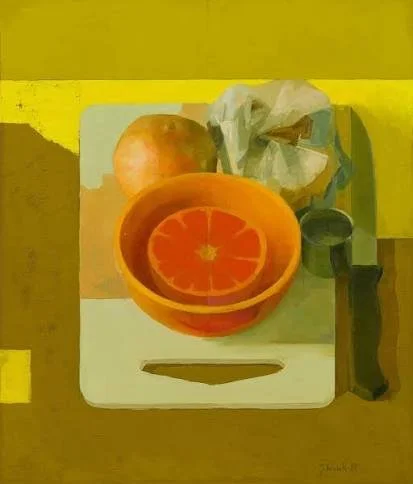
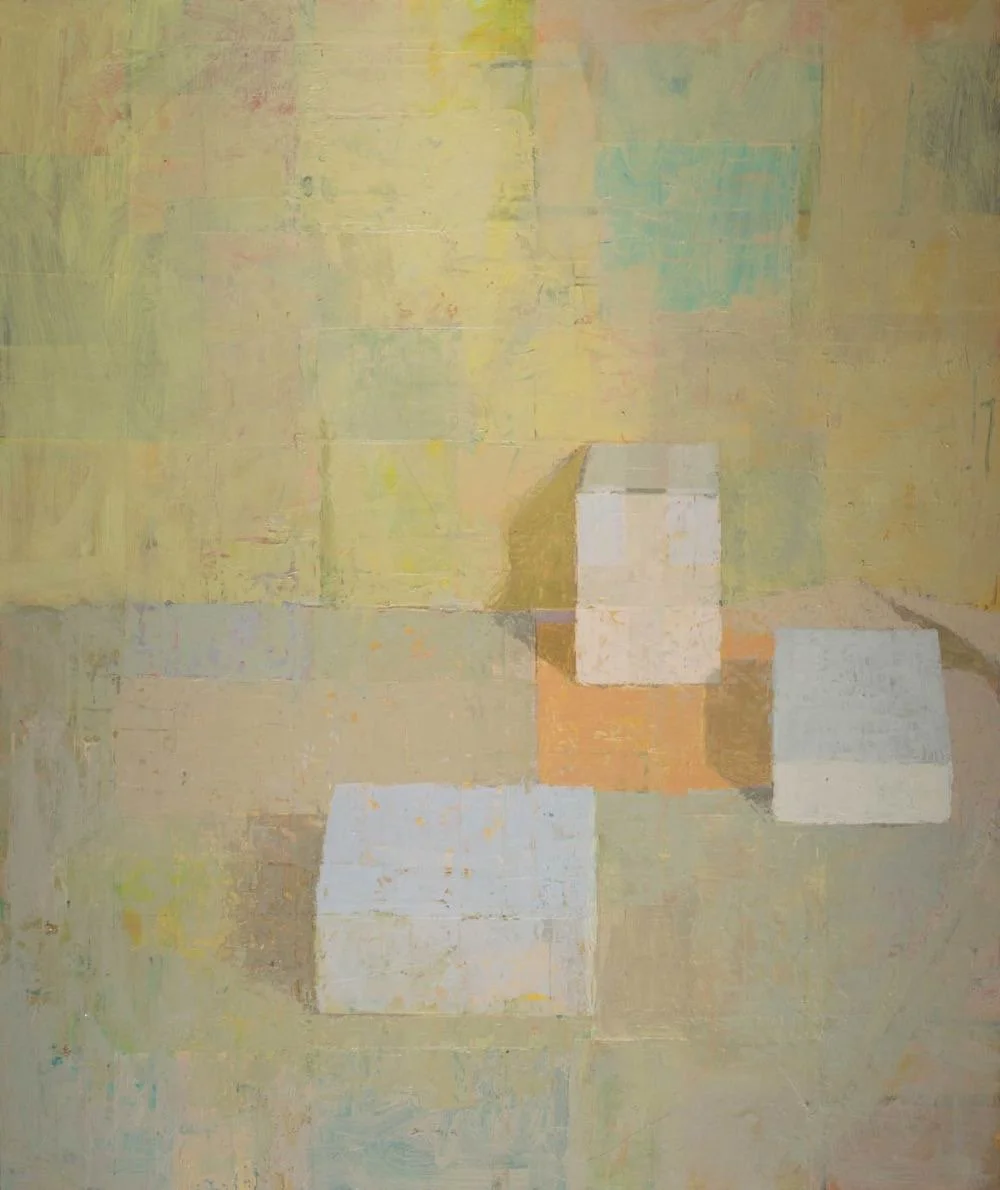
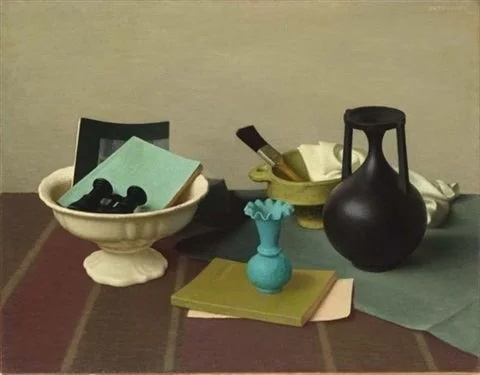
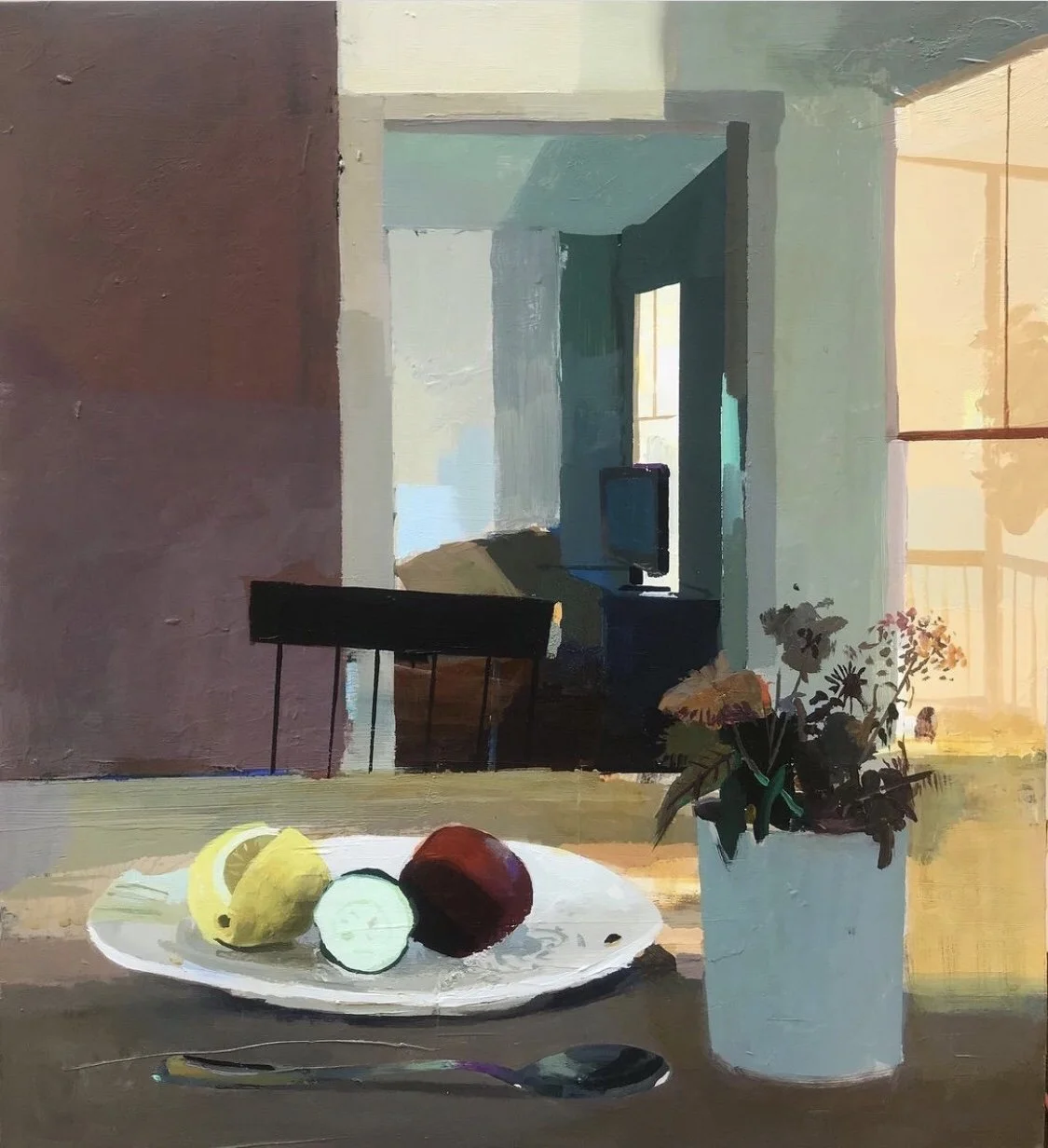
Light is magic! These artists using lighting to shape mood, create drama, emphasise forms, or reveal details.
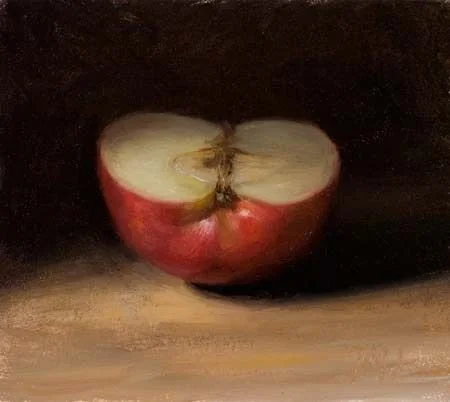
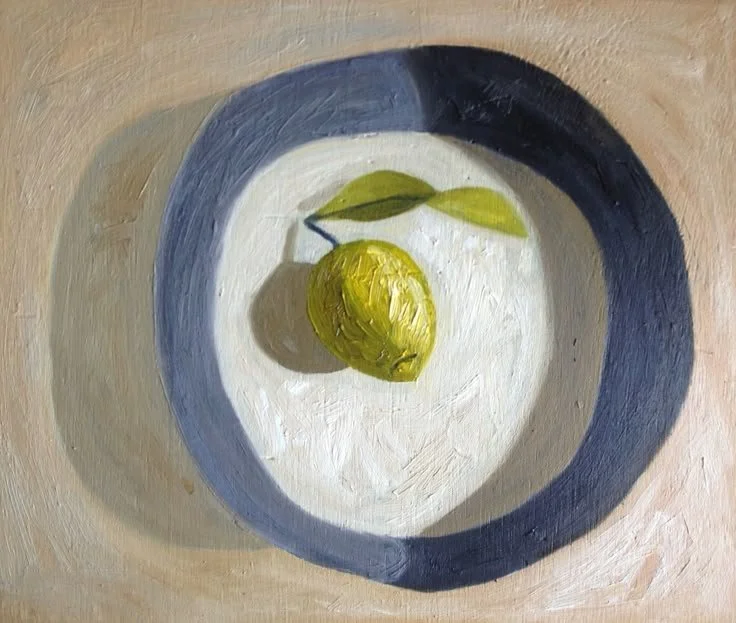
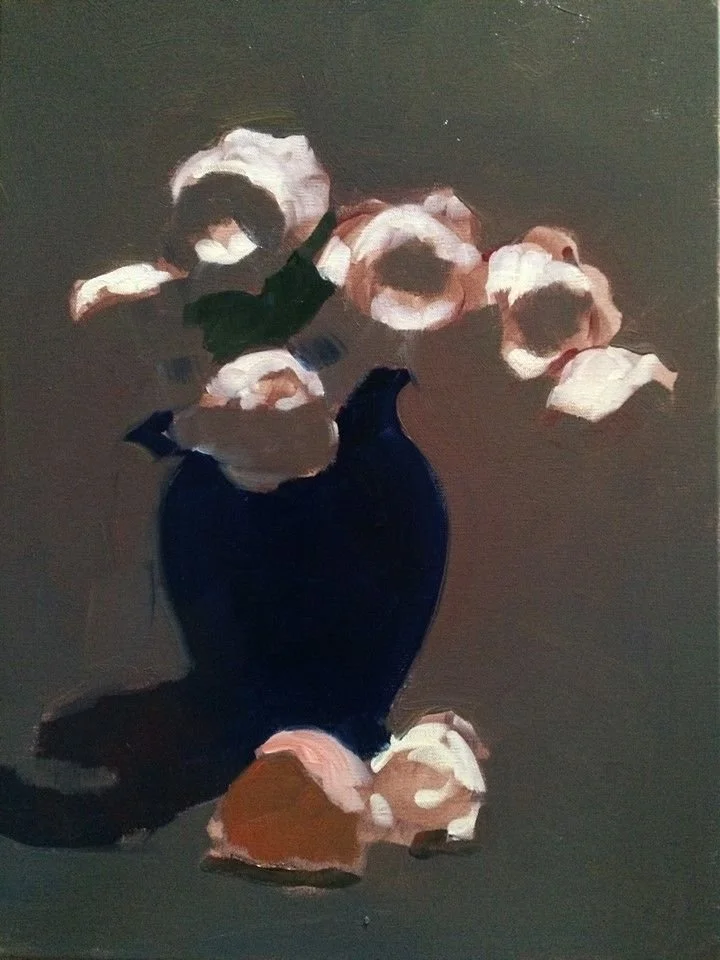
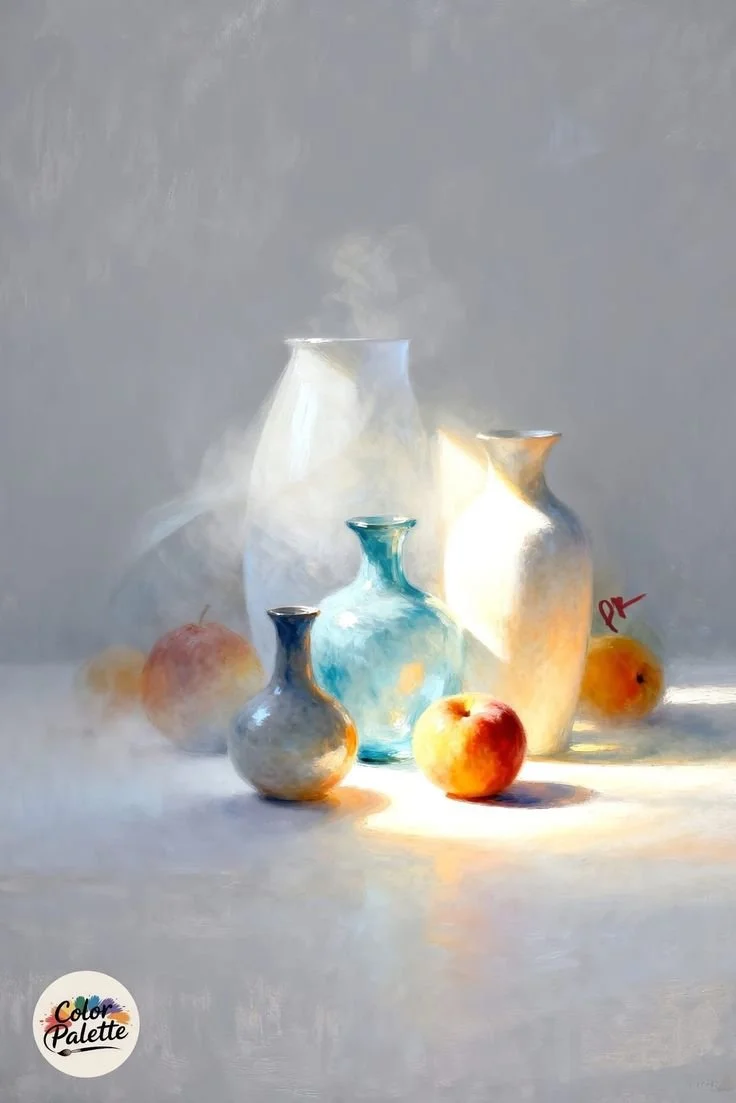
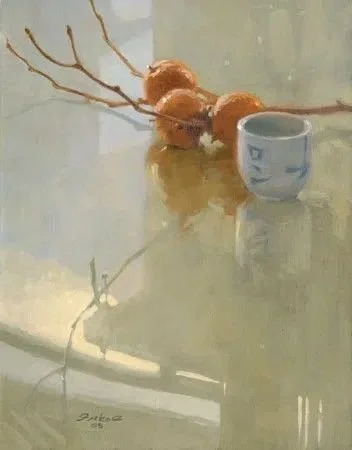
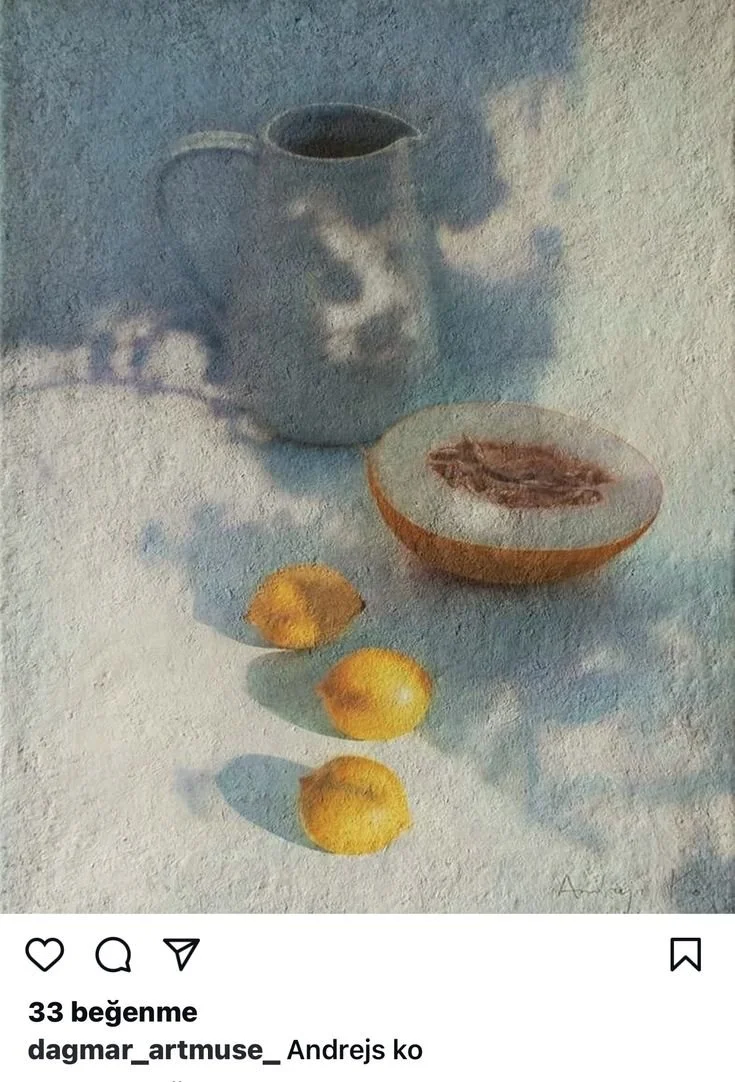
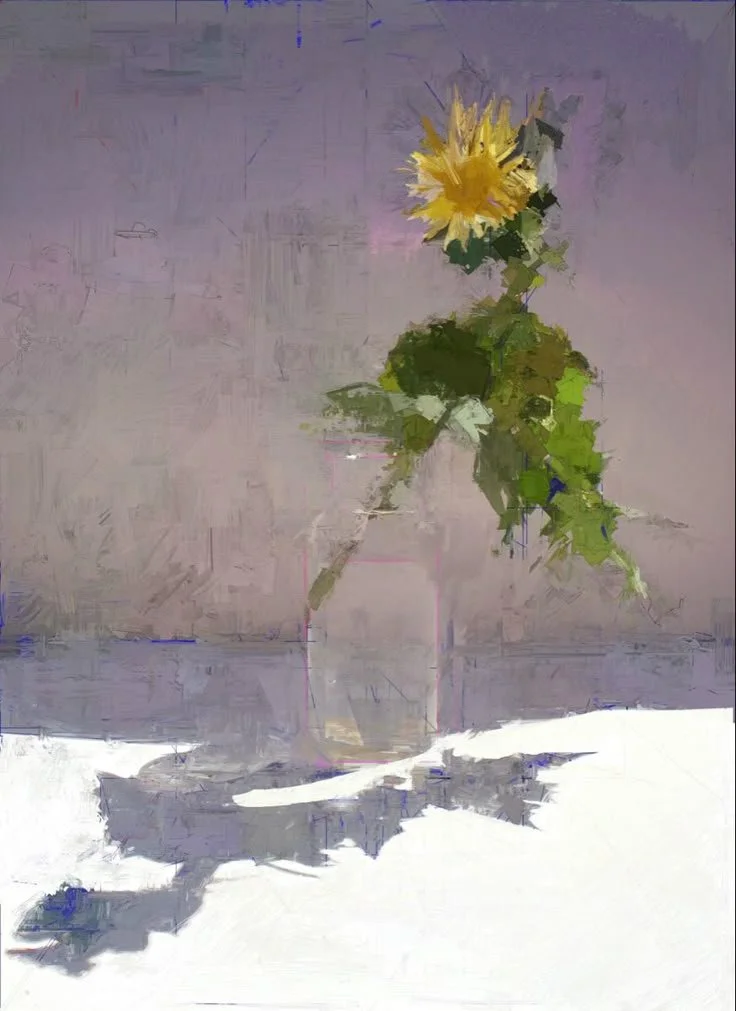
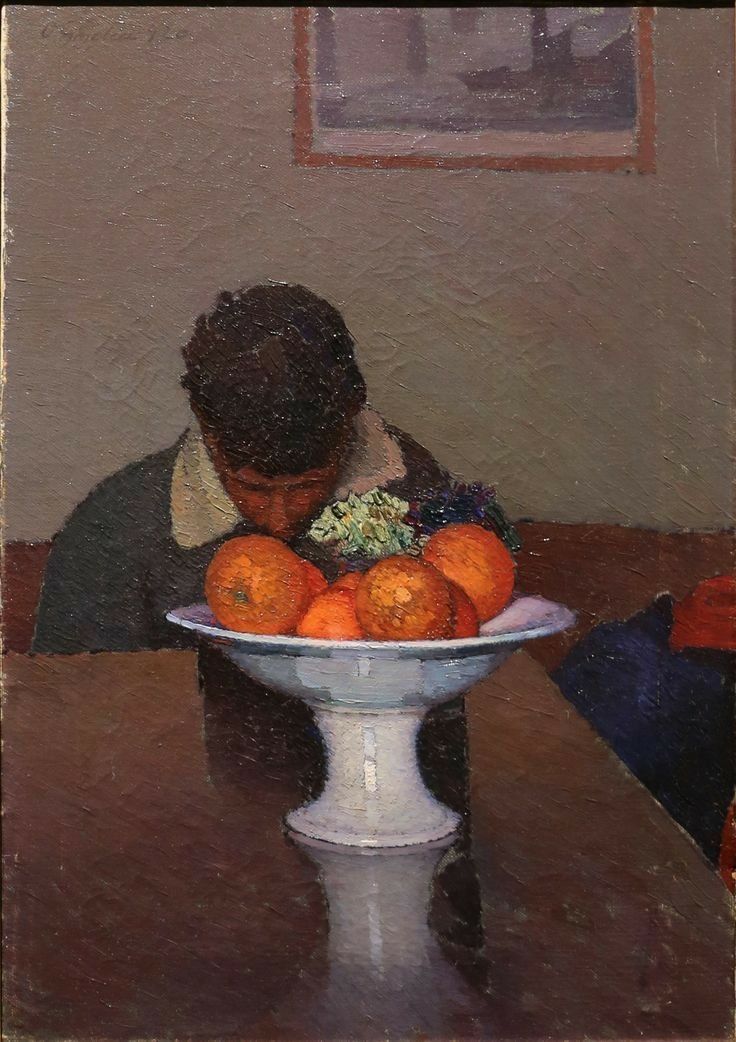
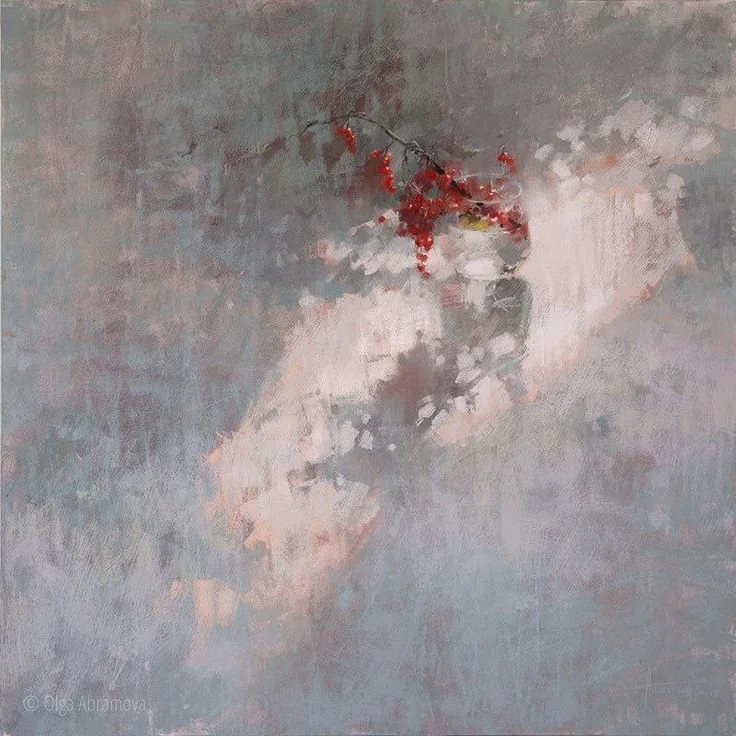
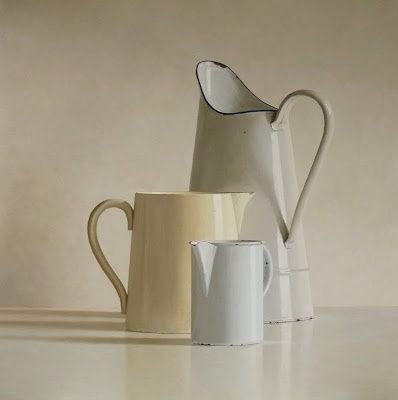
Painting white: the challenge of rendering white surfaces with believable shifts of hue, shadow, and reflection rather than flat white.
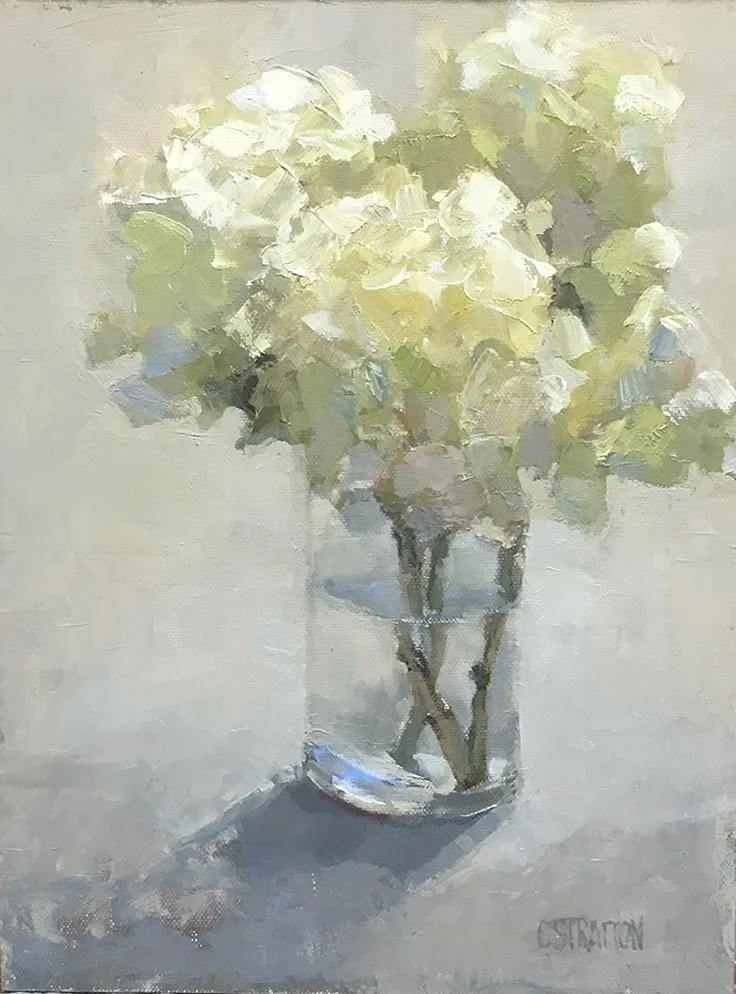
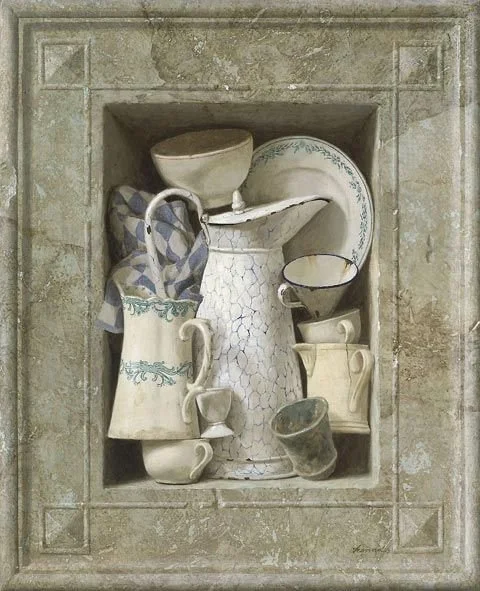
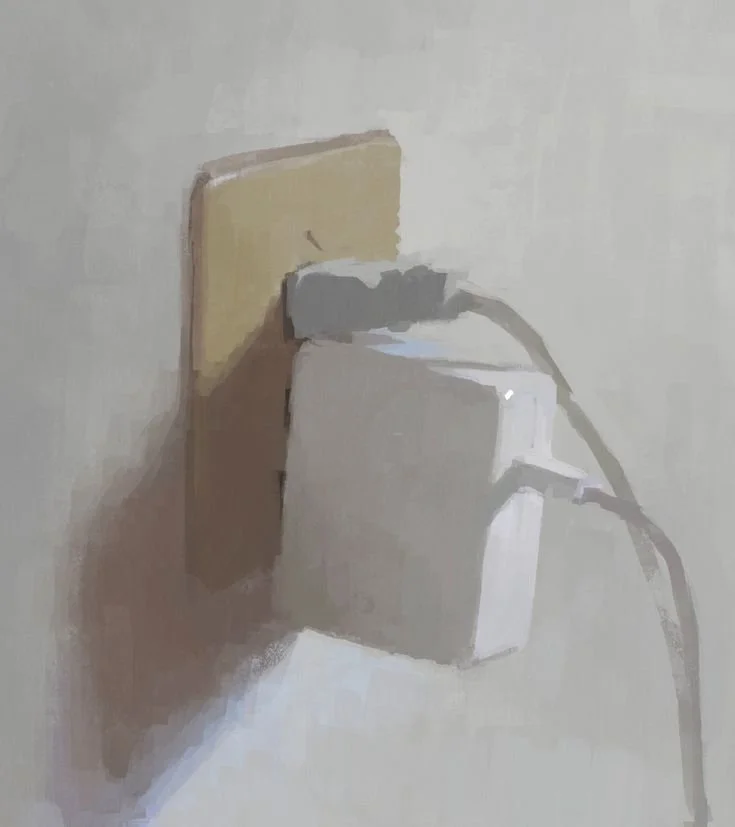
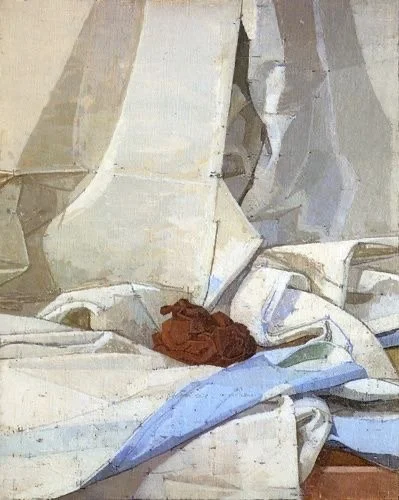
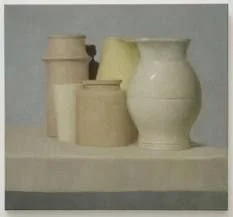
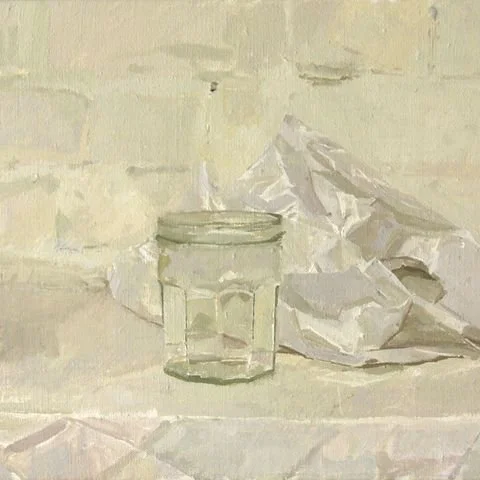

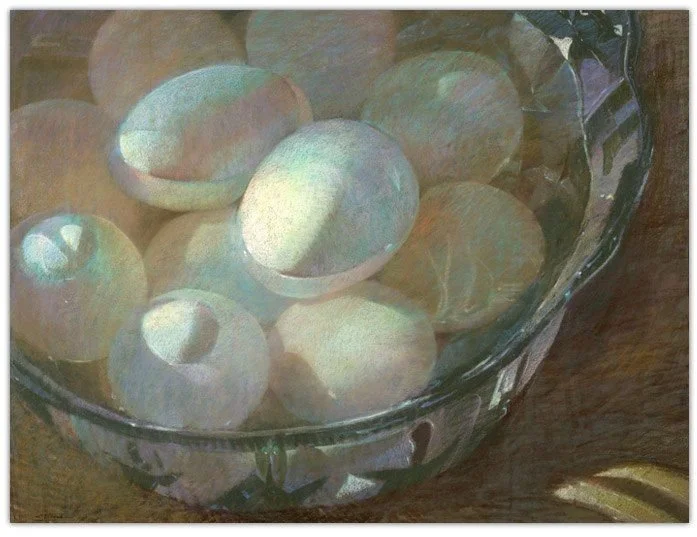
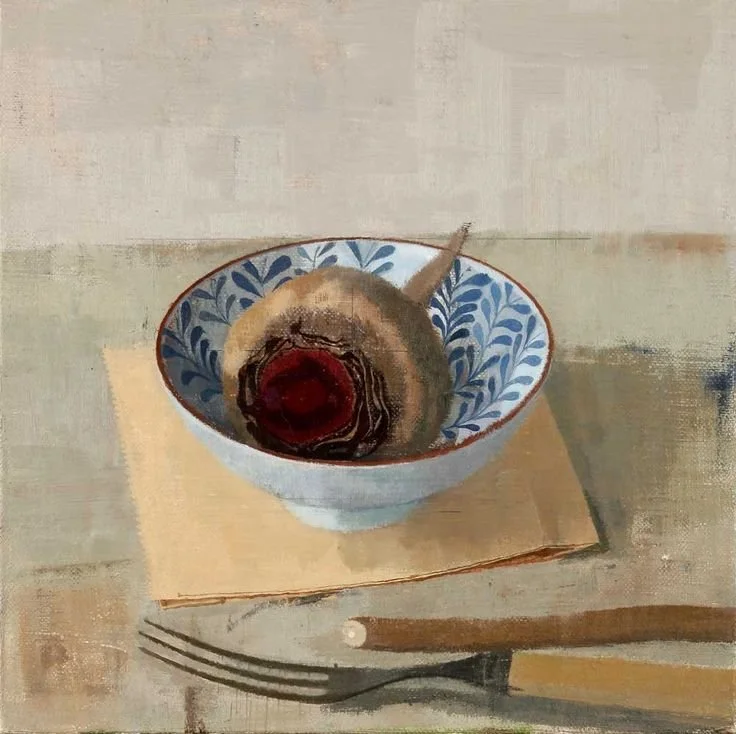
These artists focus on pattern and rhythms
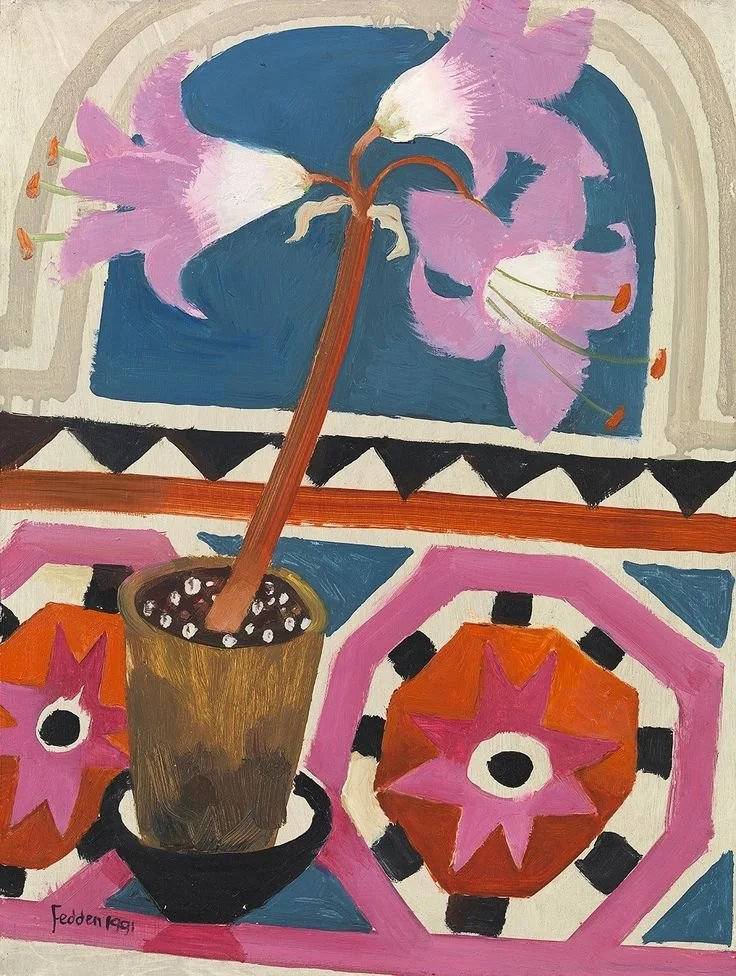
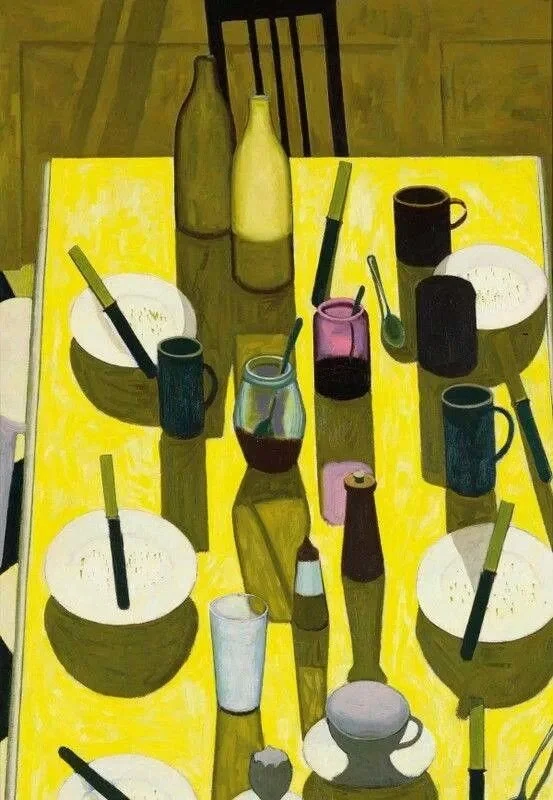
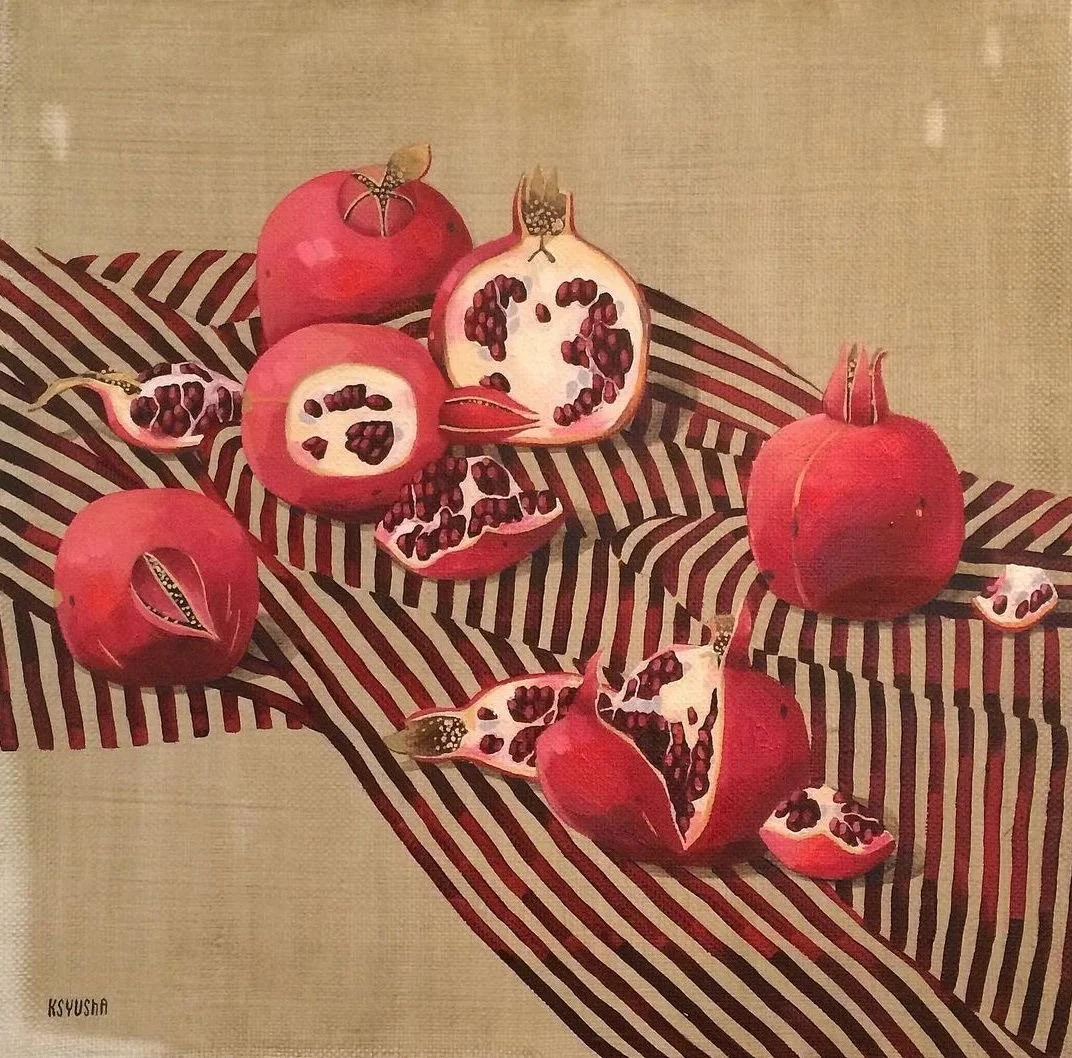
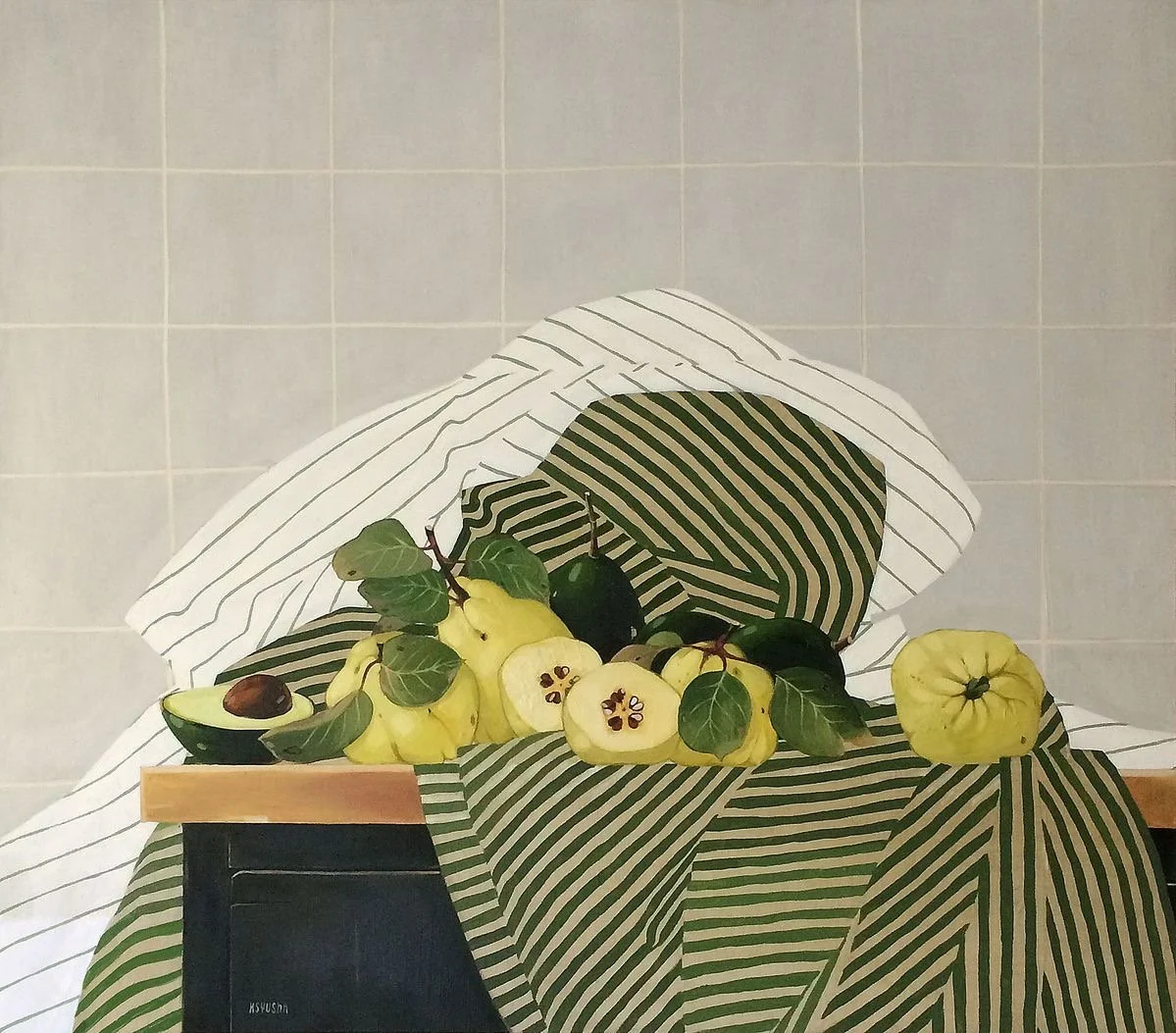
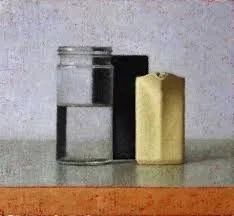
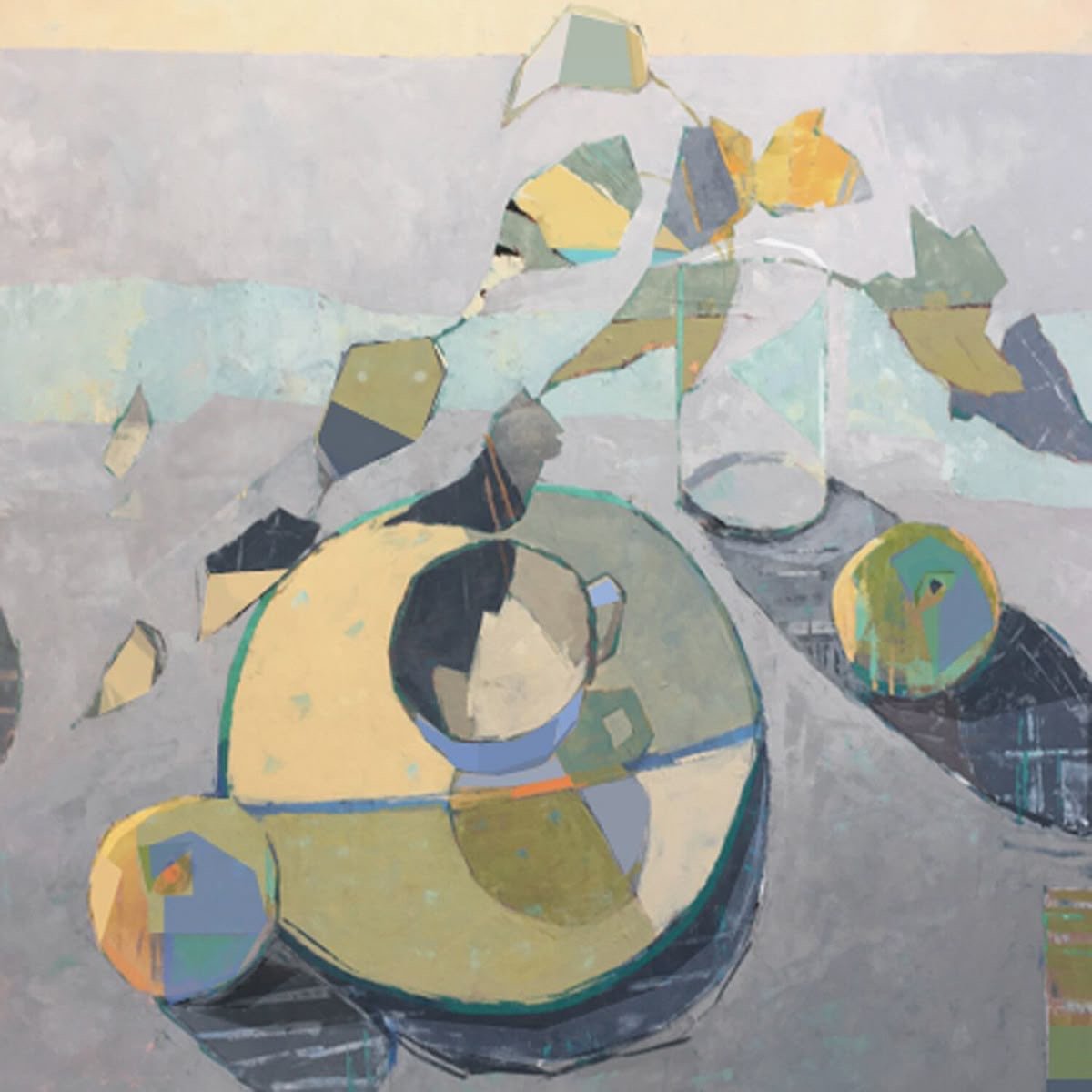
Reflection studies: exploring how glass and metal capture and distort light, color, and surroundings.
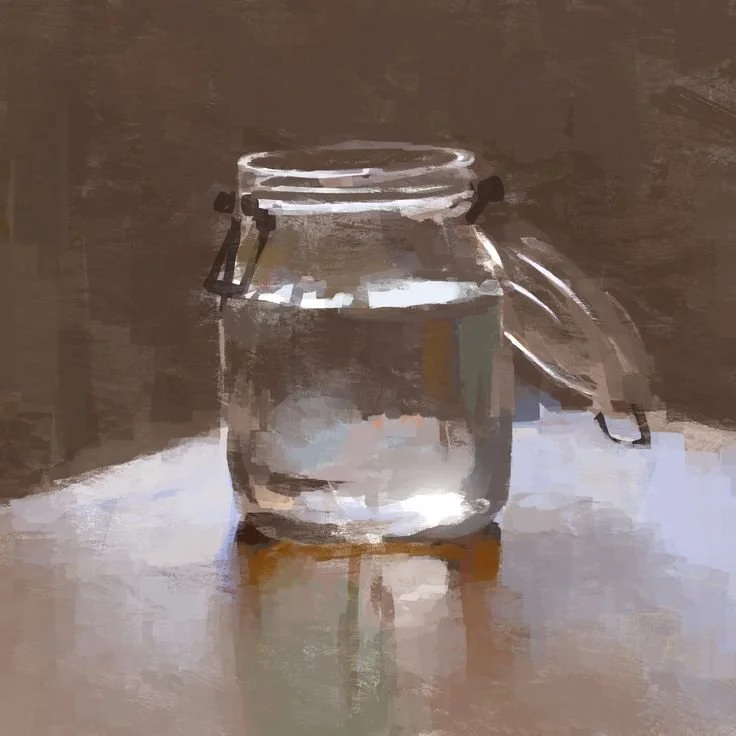
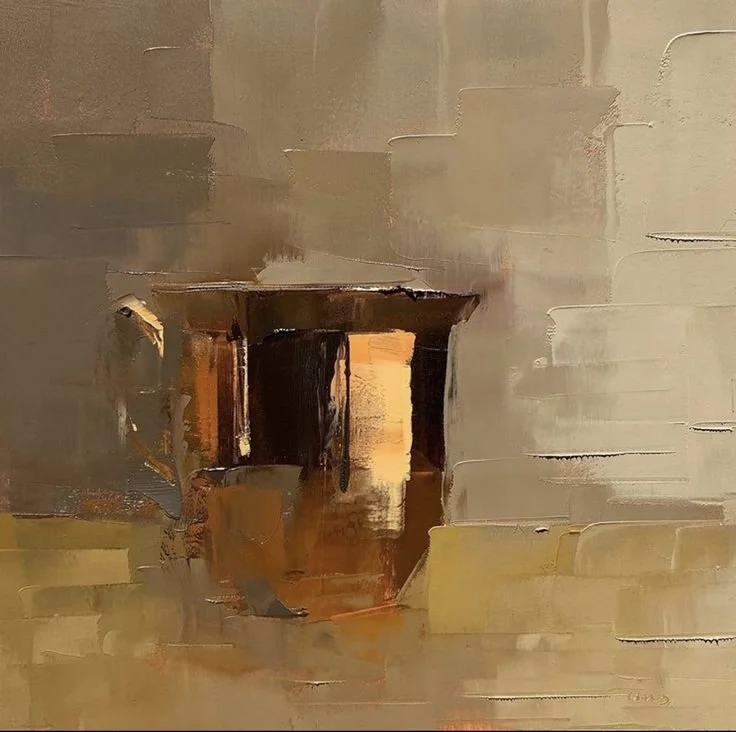
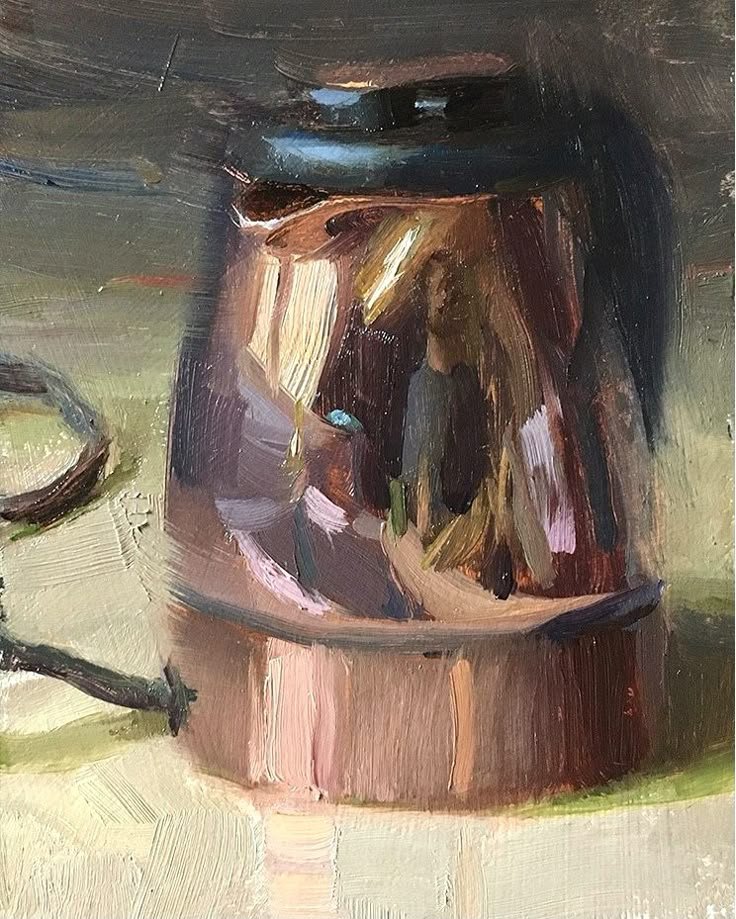
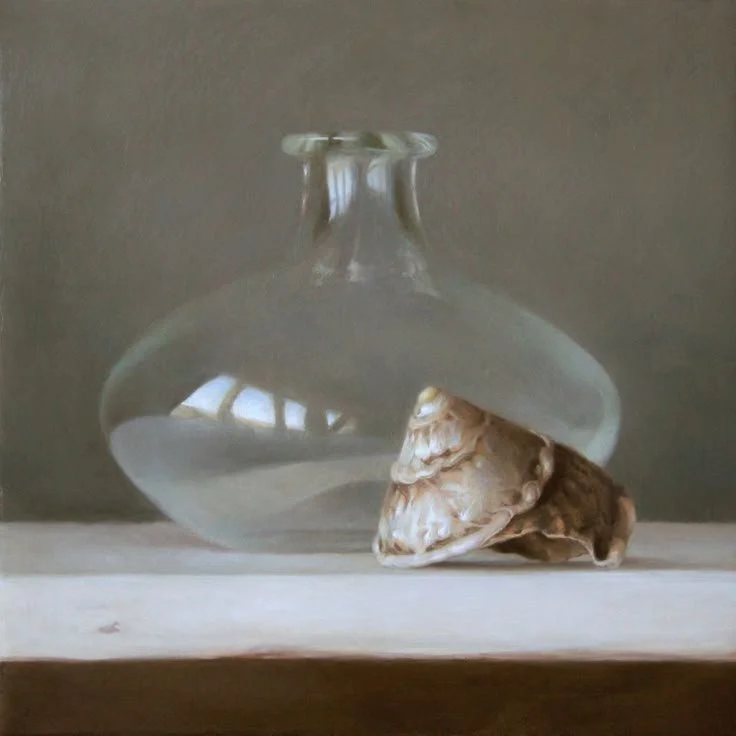
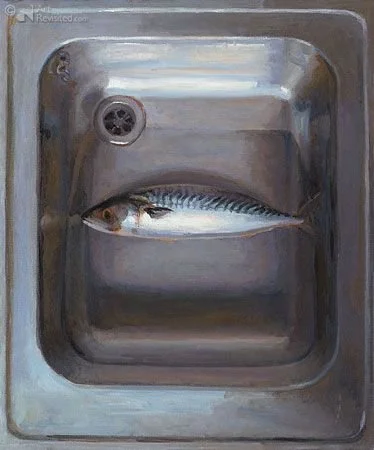
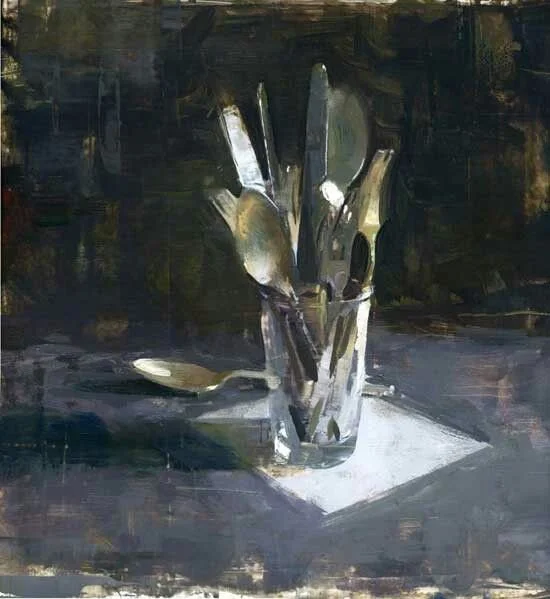

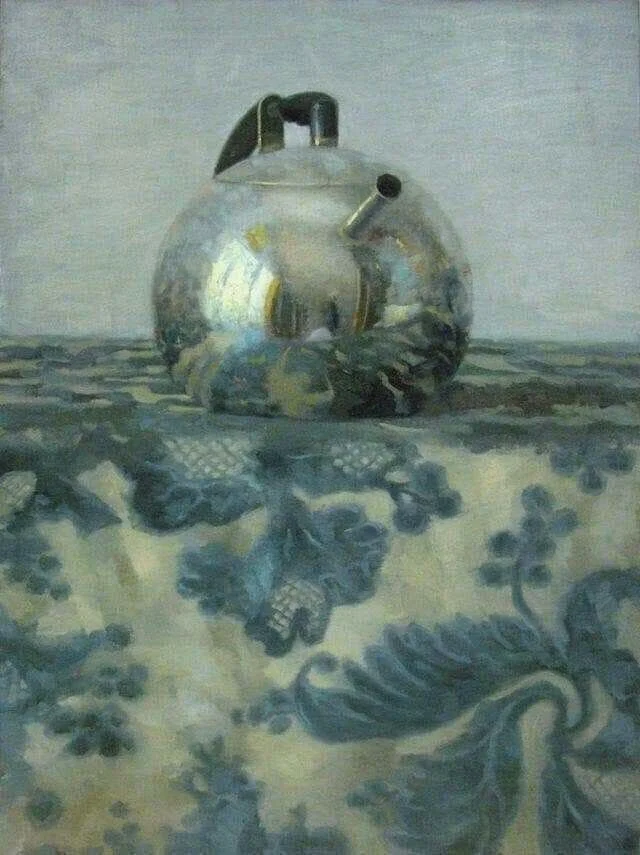
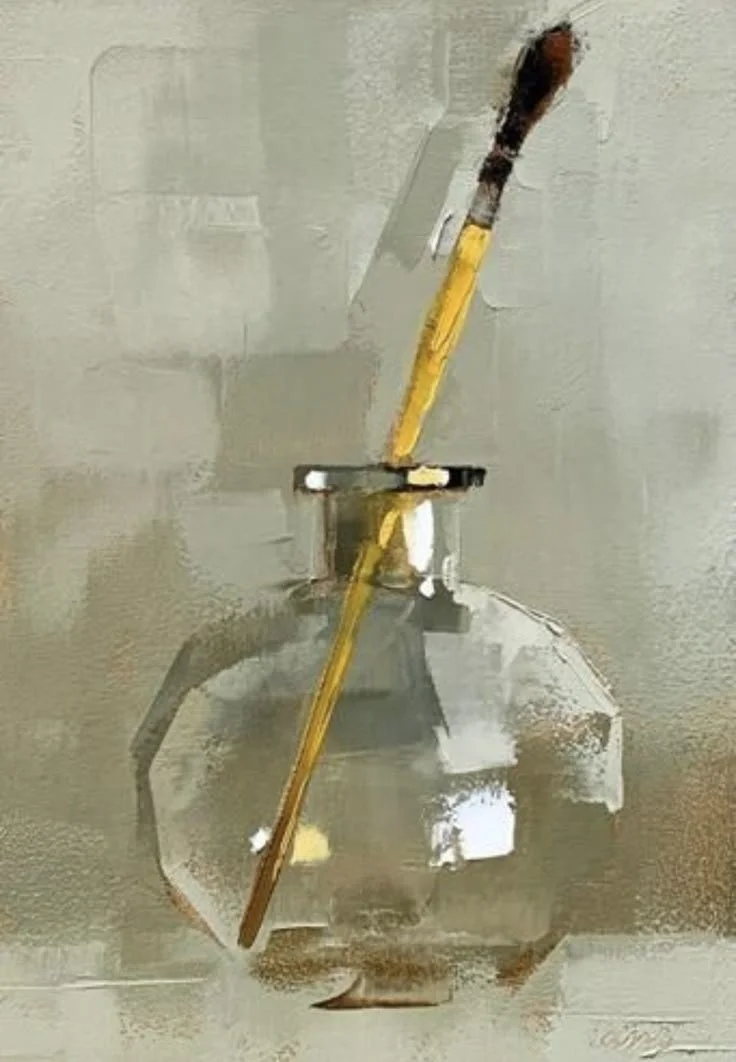
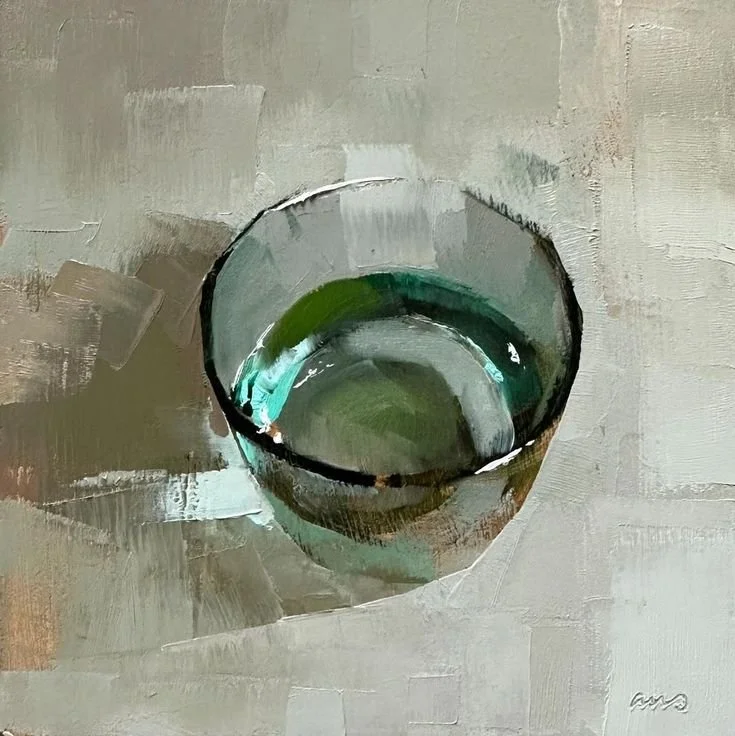
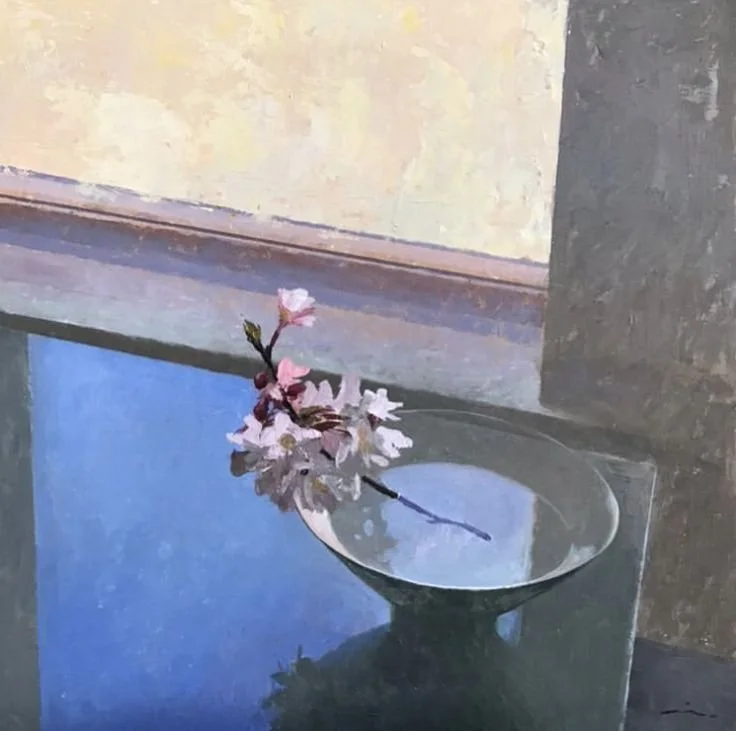
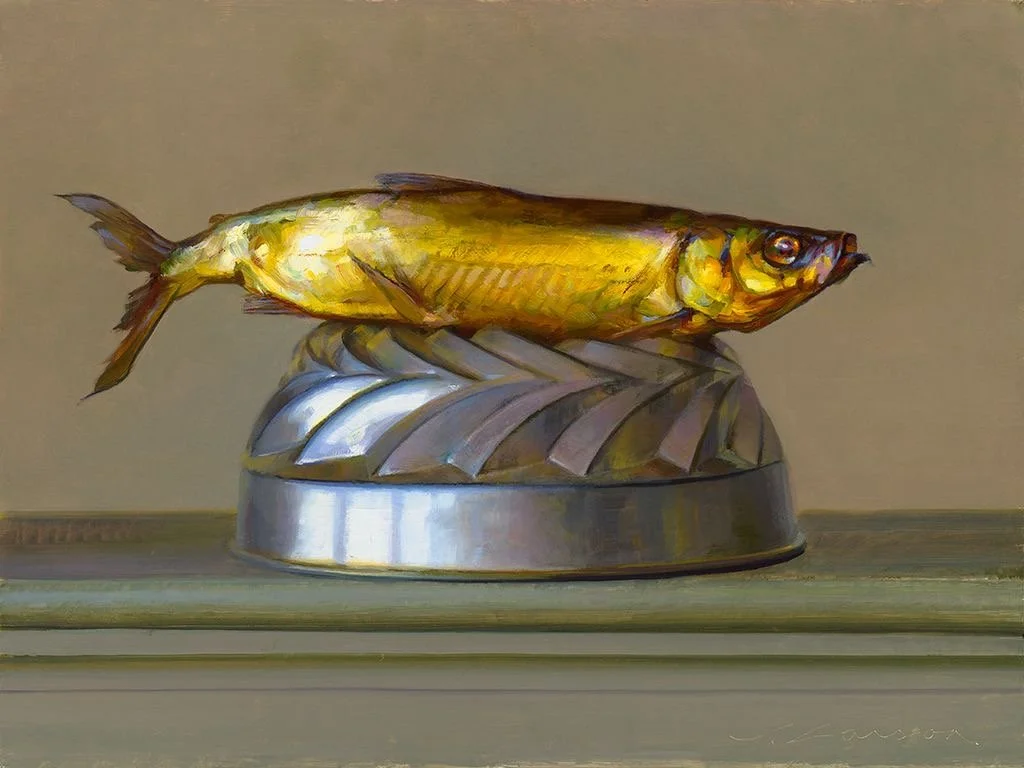
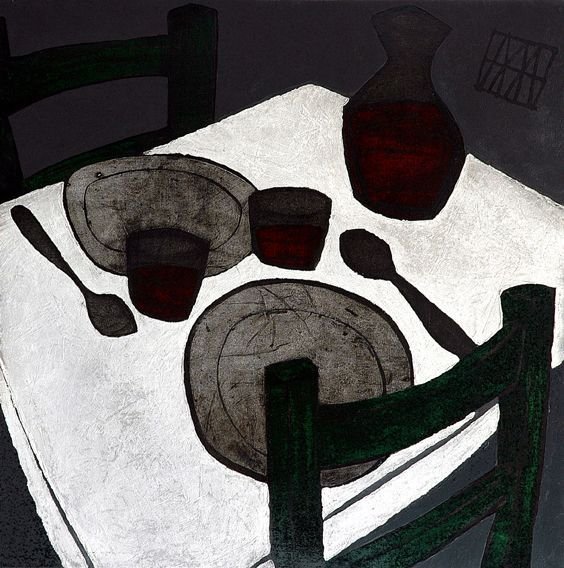
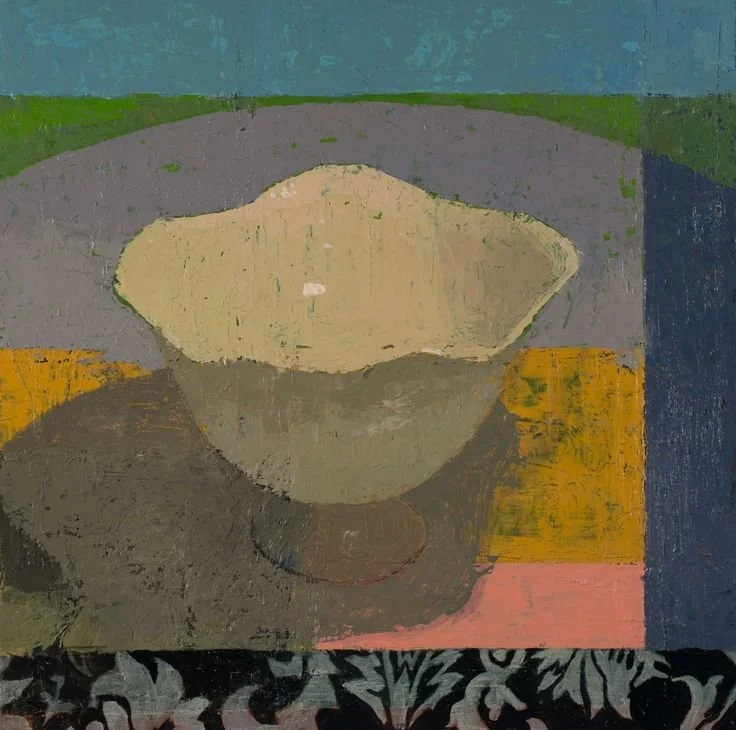
Simplification: reducing detail to emphasize structure, color blocks, or compositional rhythm.
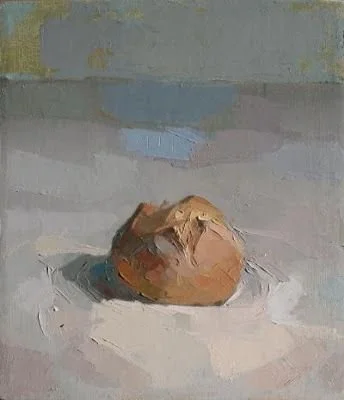
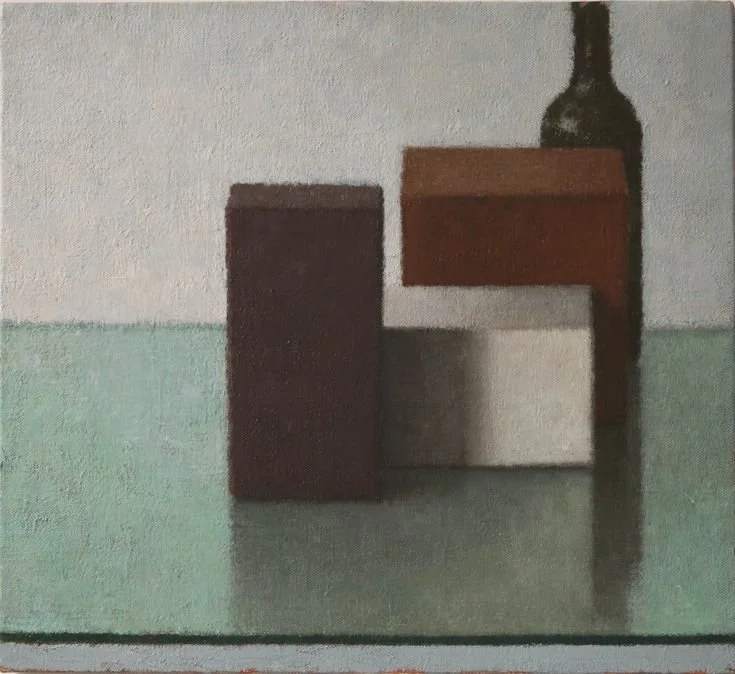
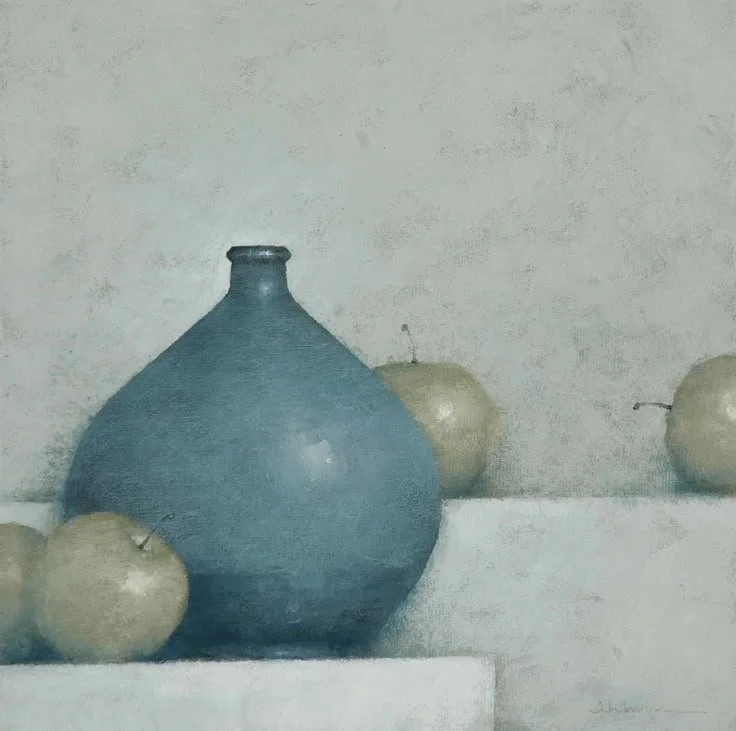
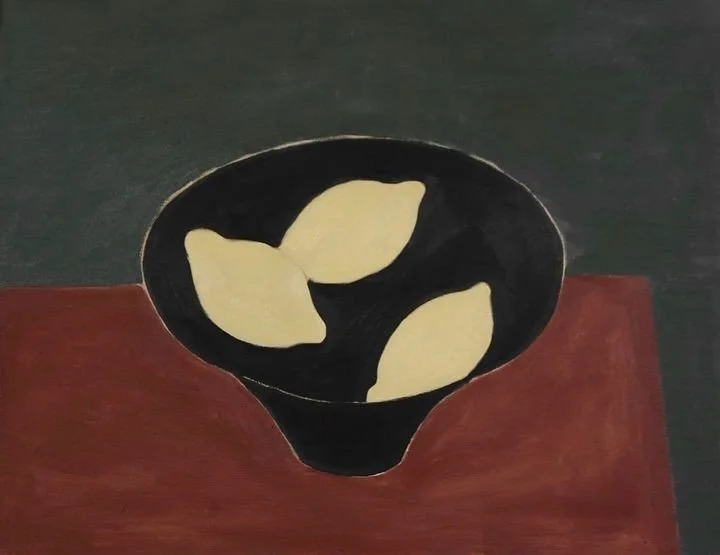
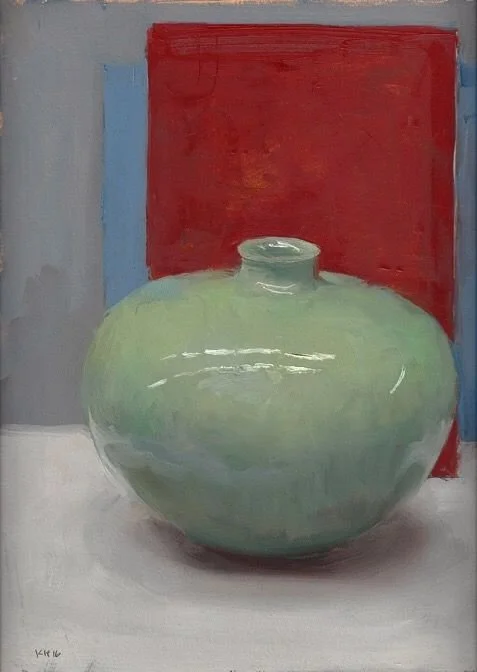
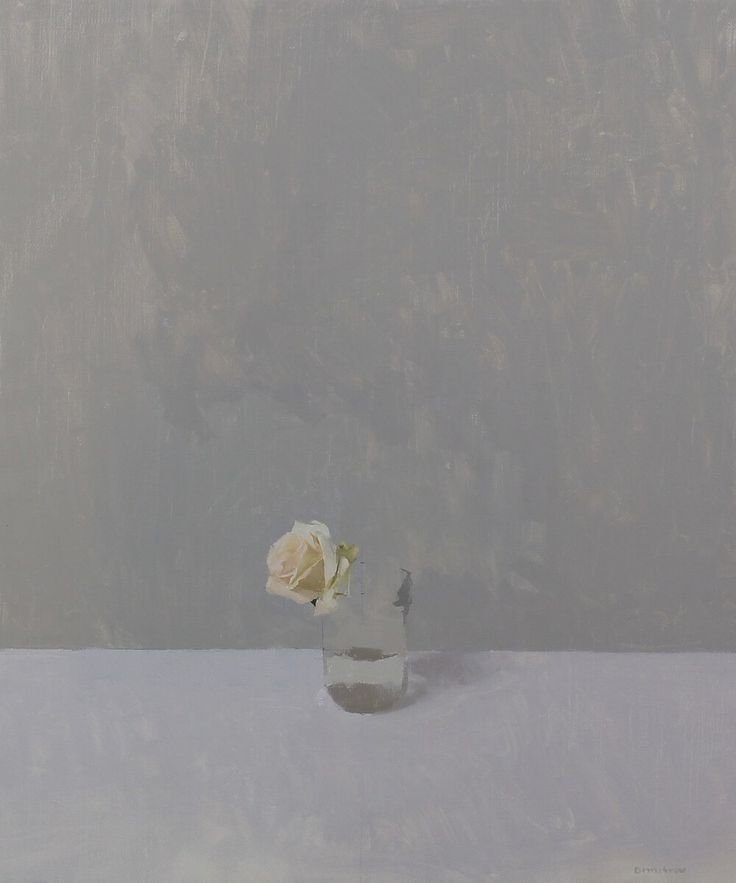
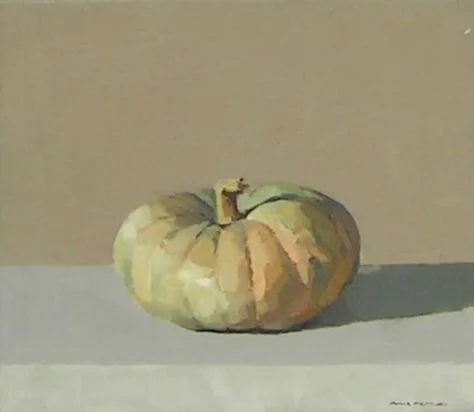
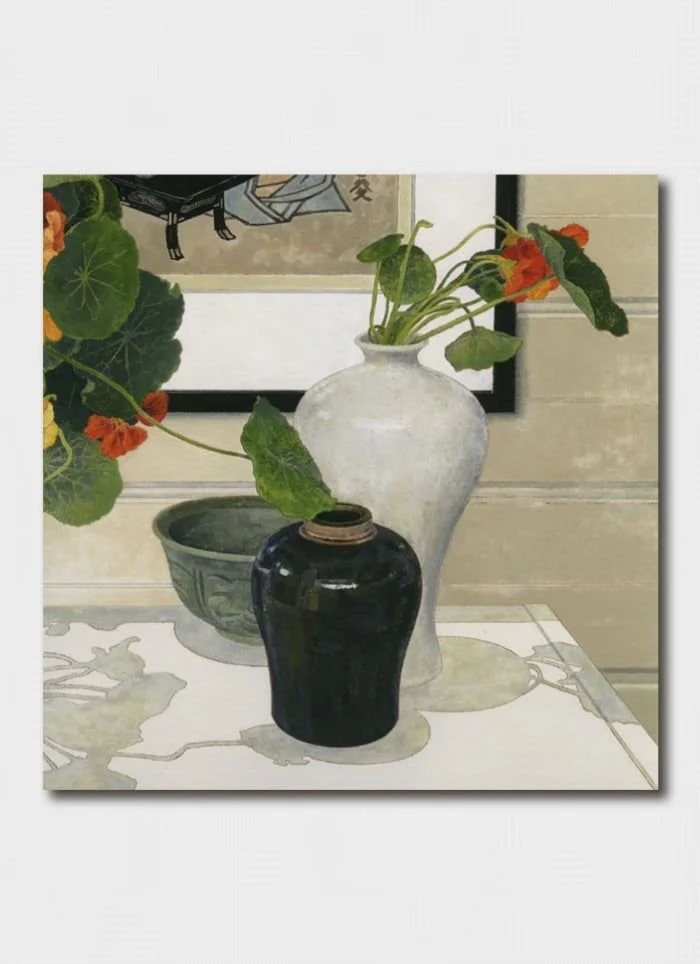
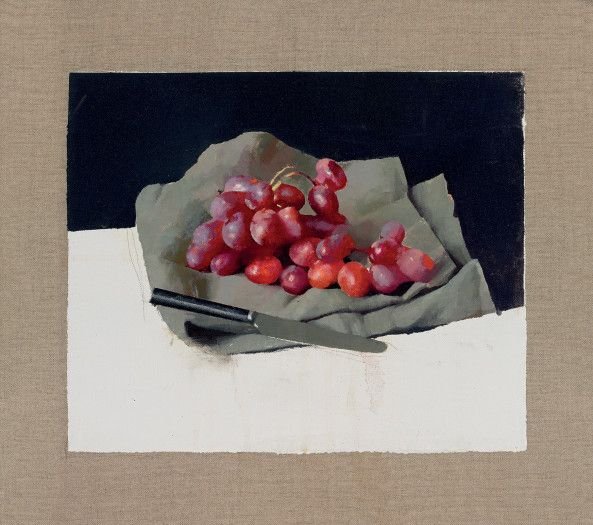
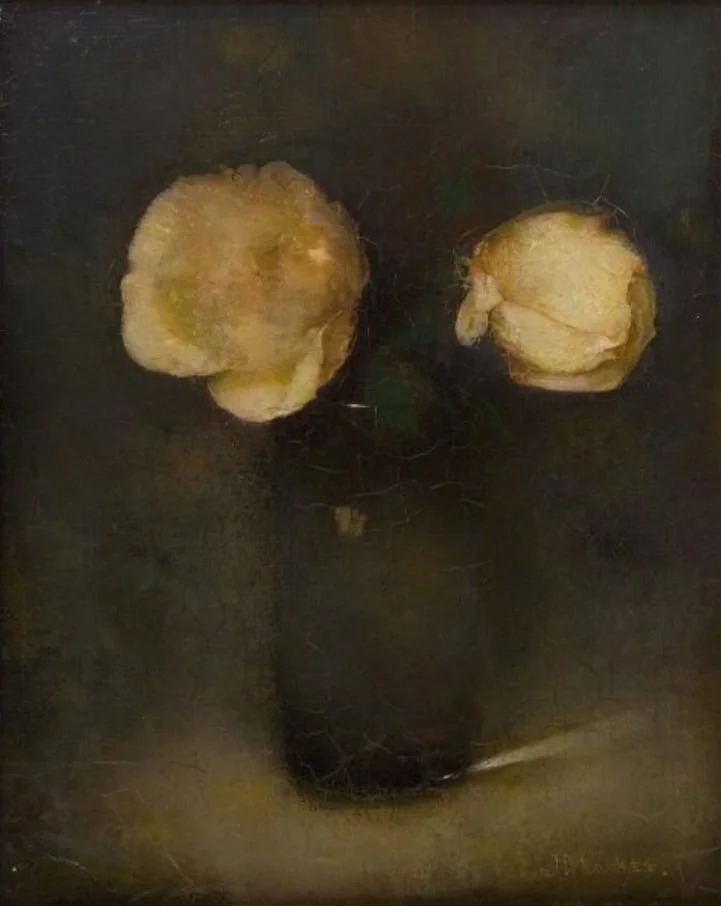
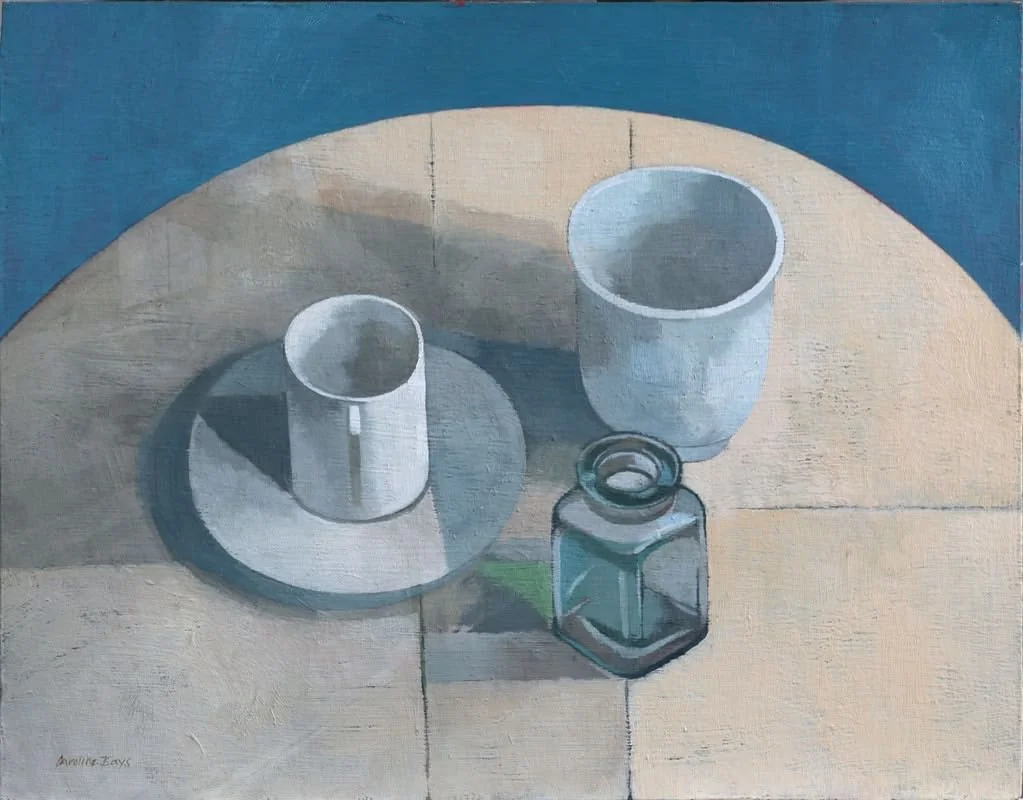
Observational focus: these artists concentrate on subtle shifts in colour, temperature, and value; the bedrock of convincing still life.
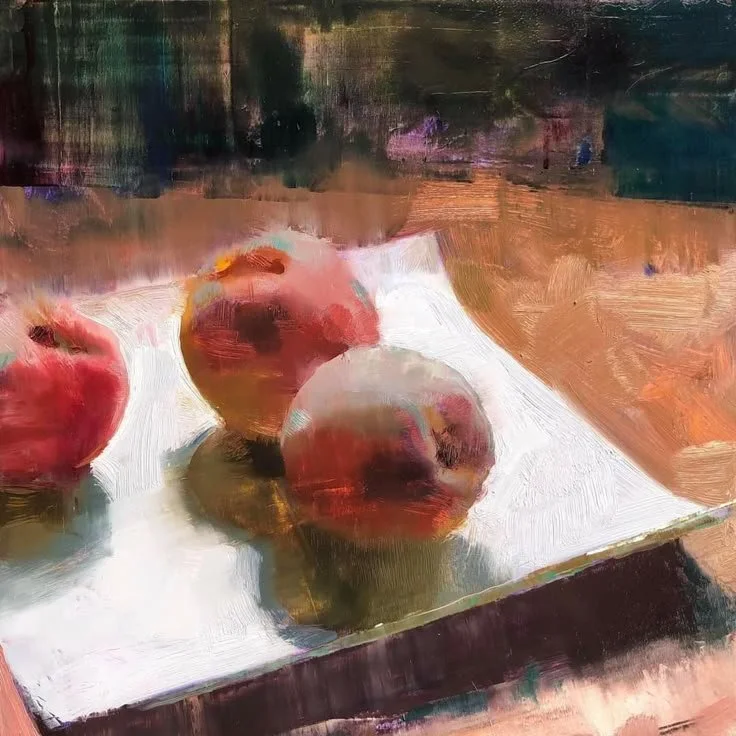
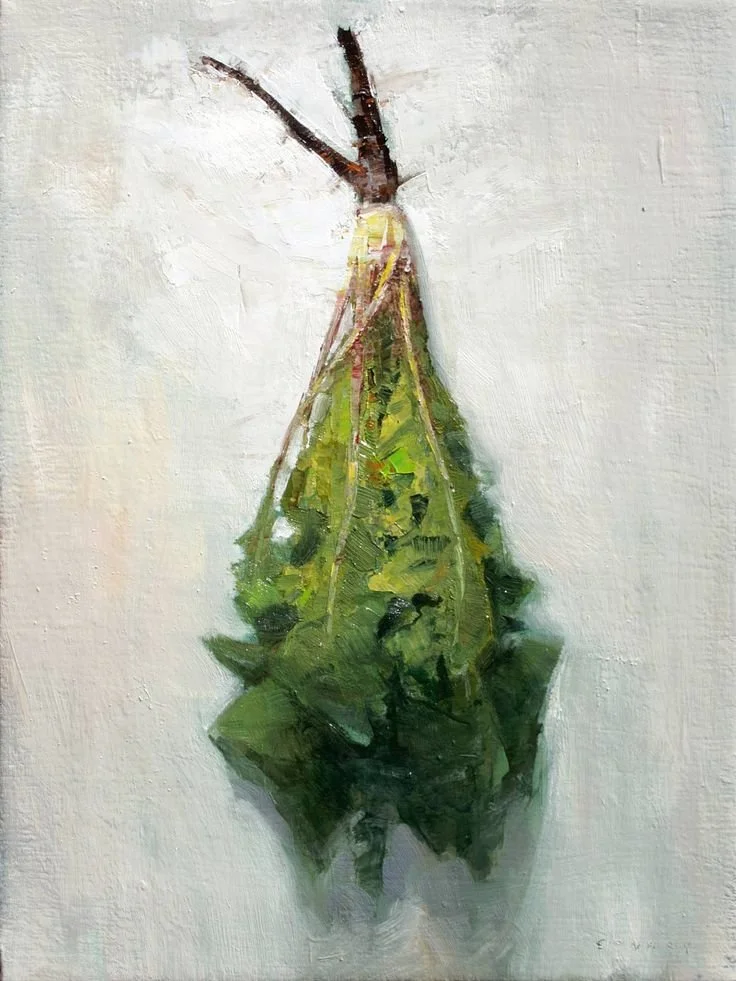
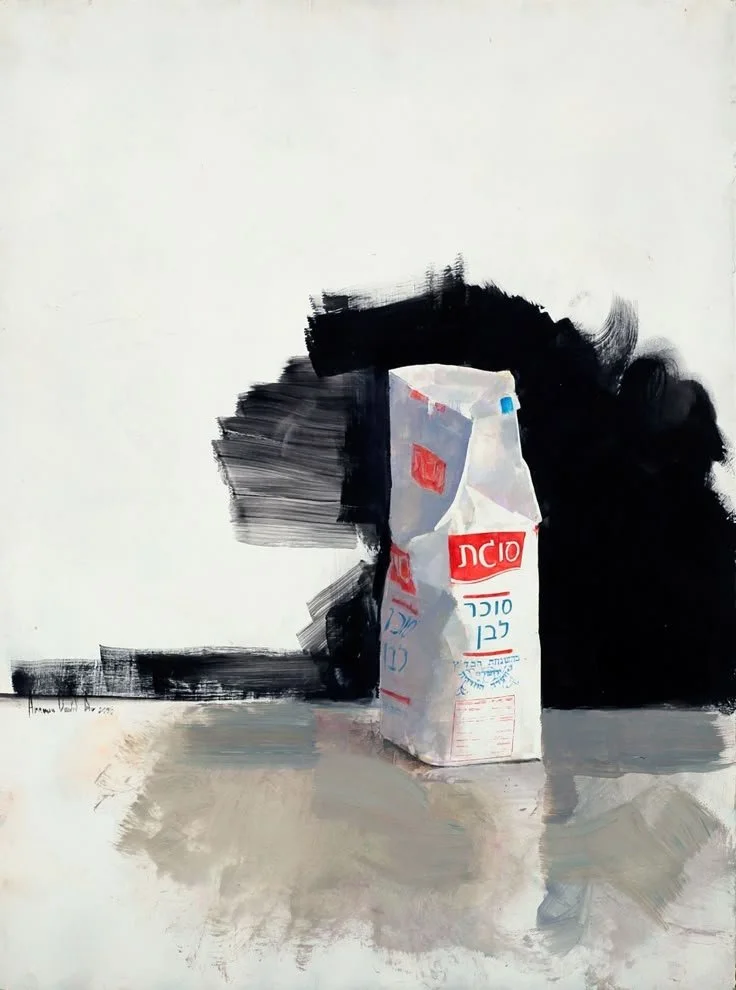
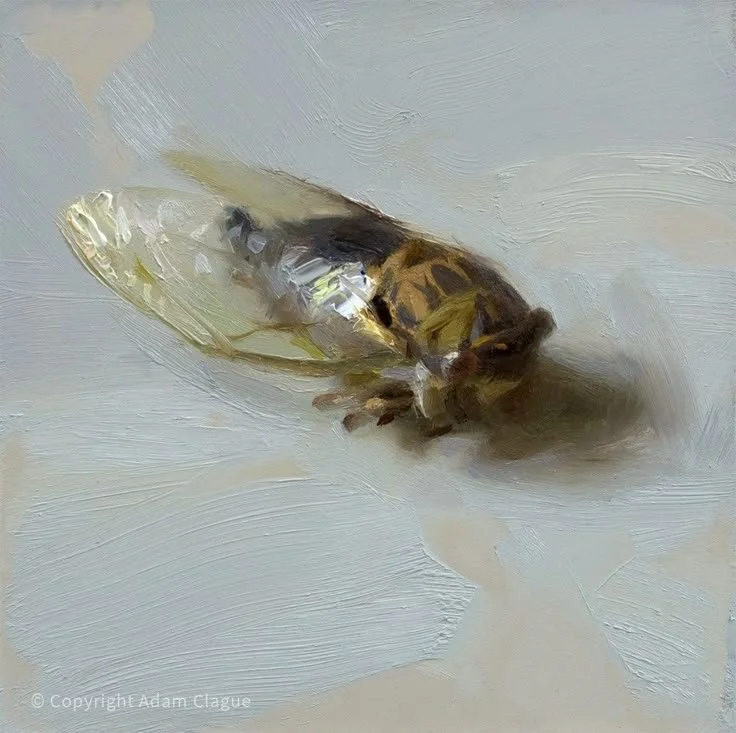
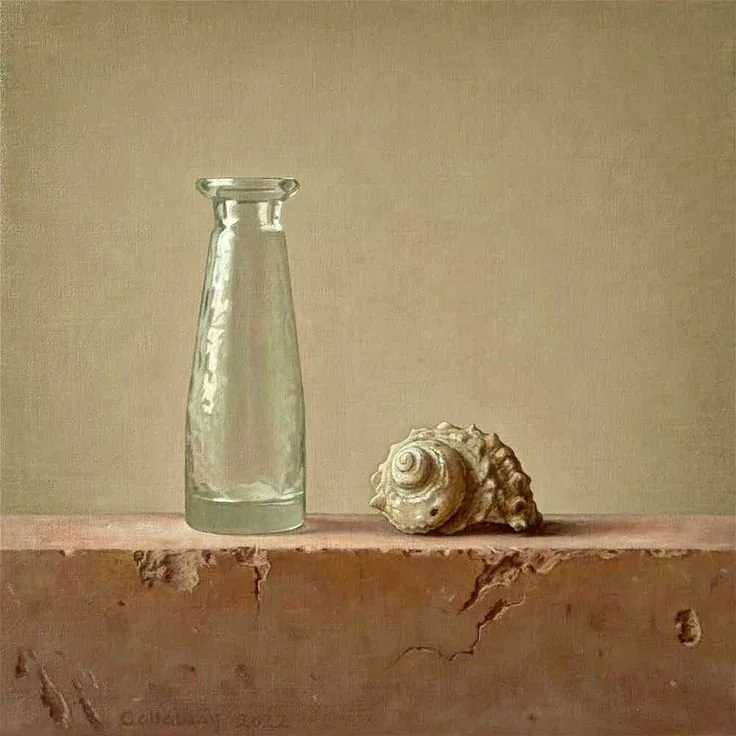
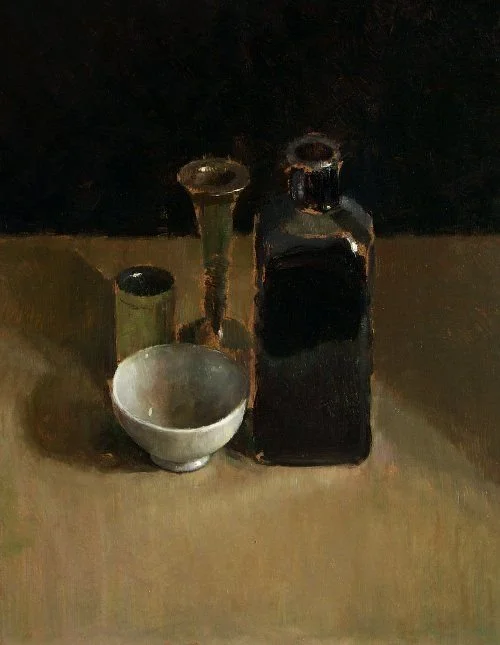
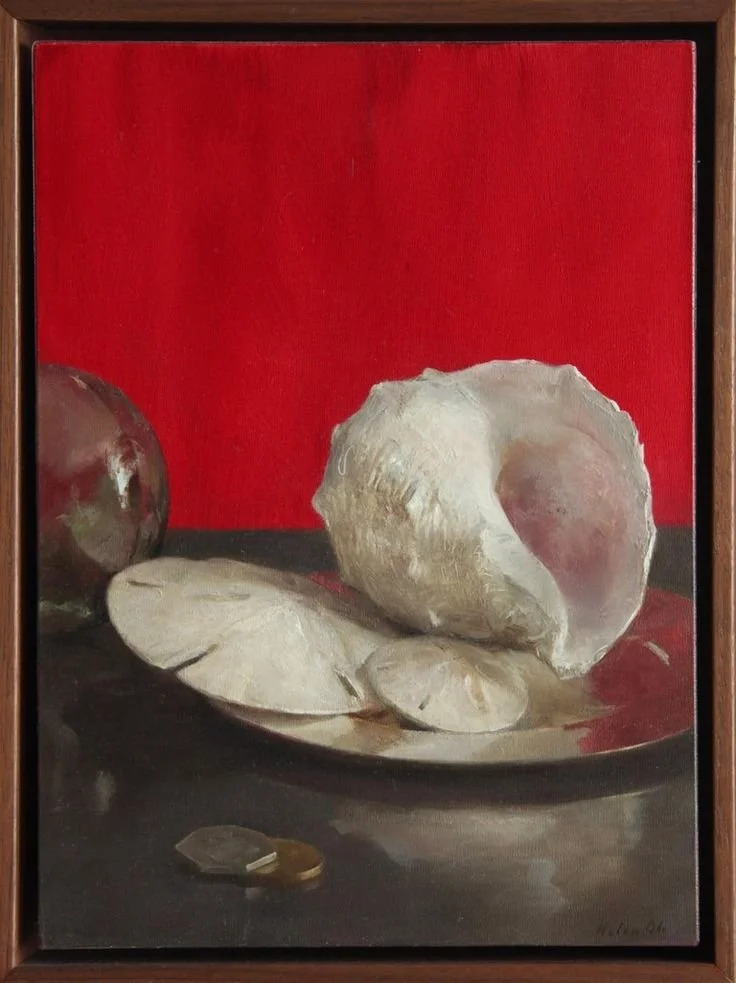
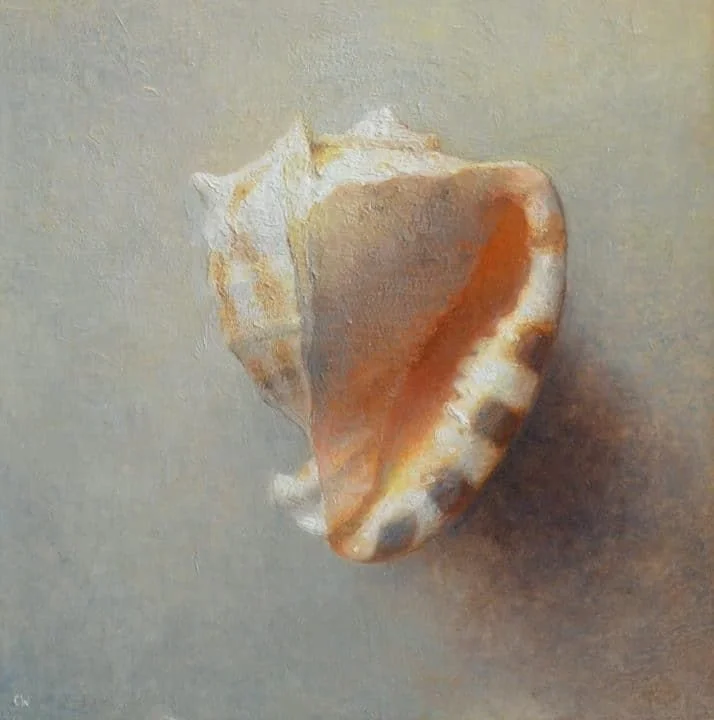
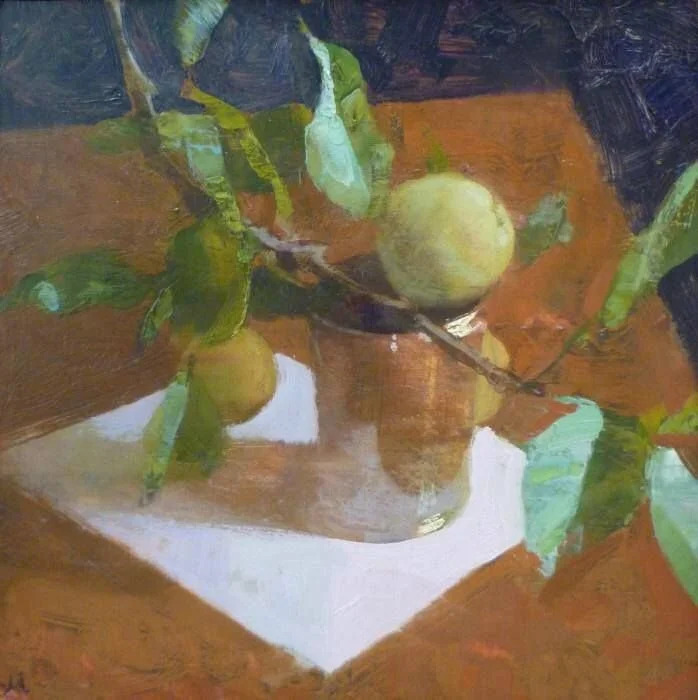
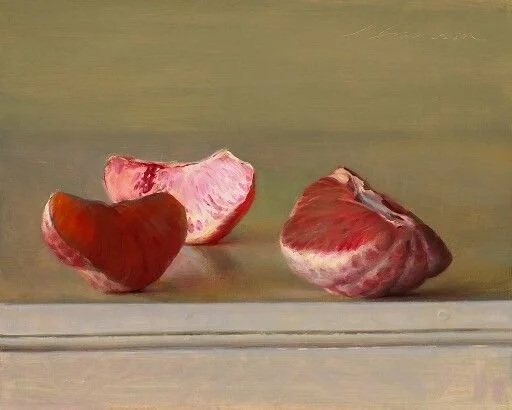
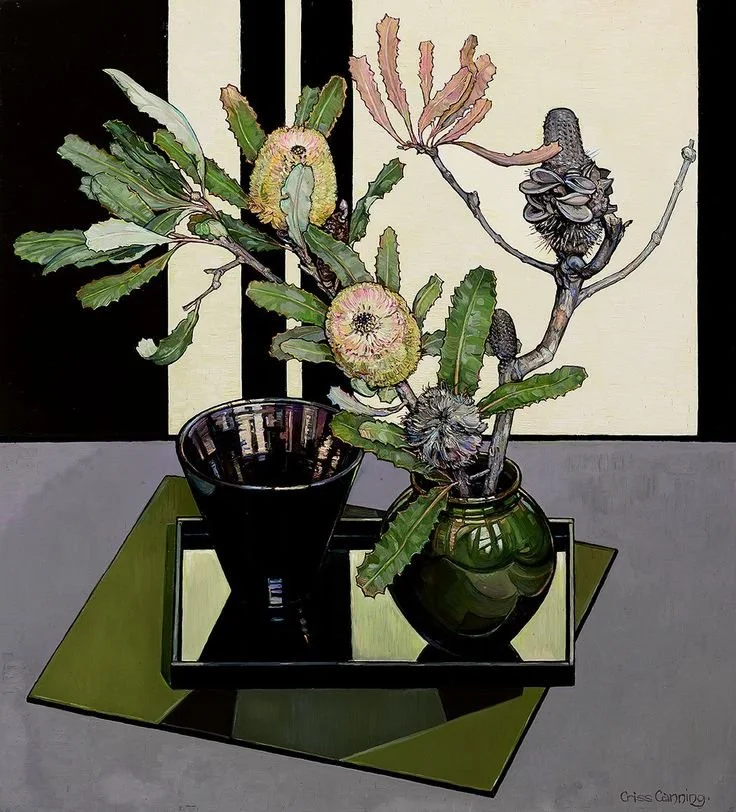
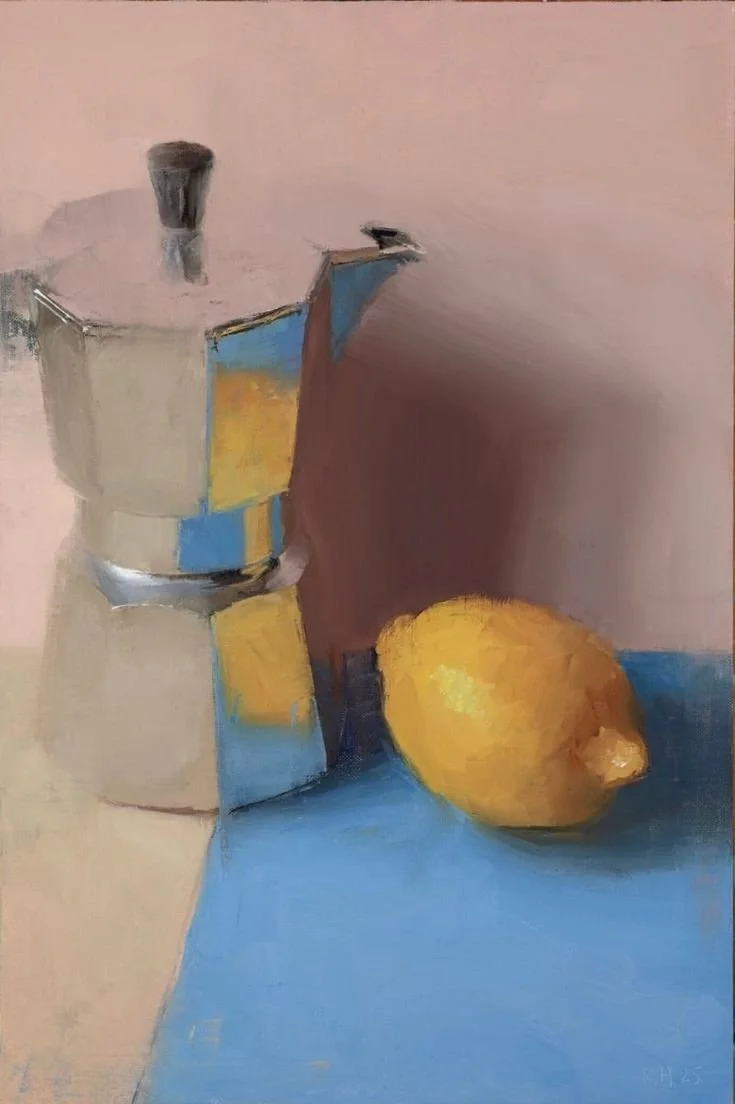
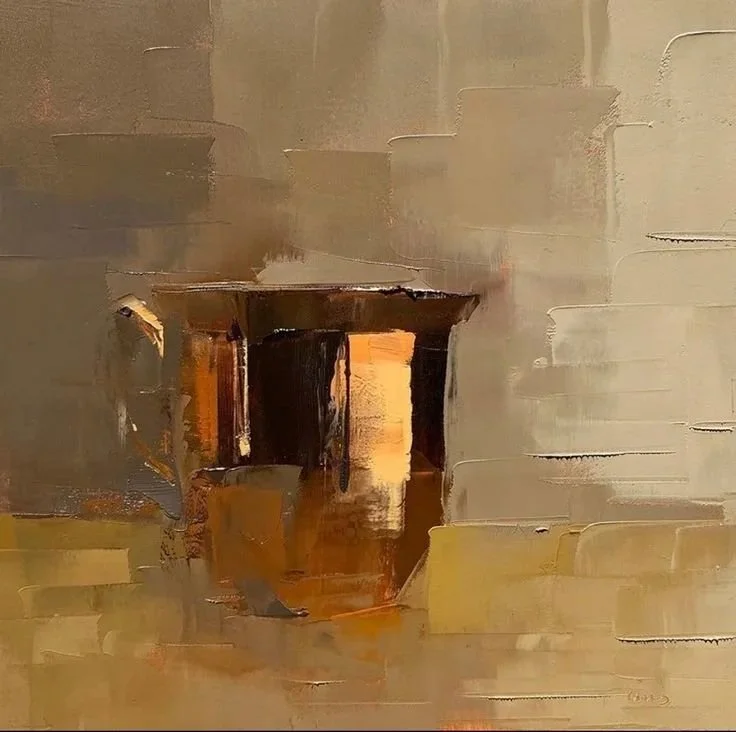
Brushwork/technique: experiments in mark-making that define surface, texture, and painterly language.
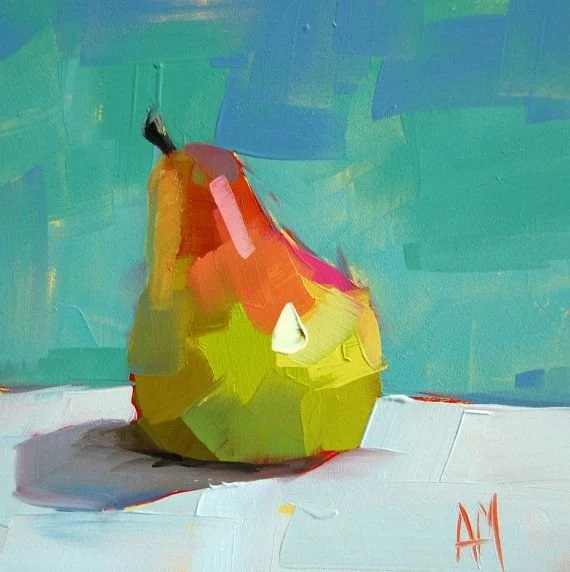
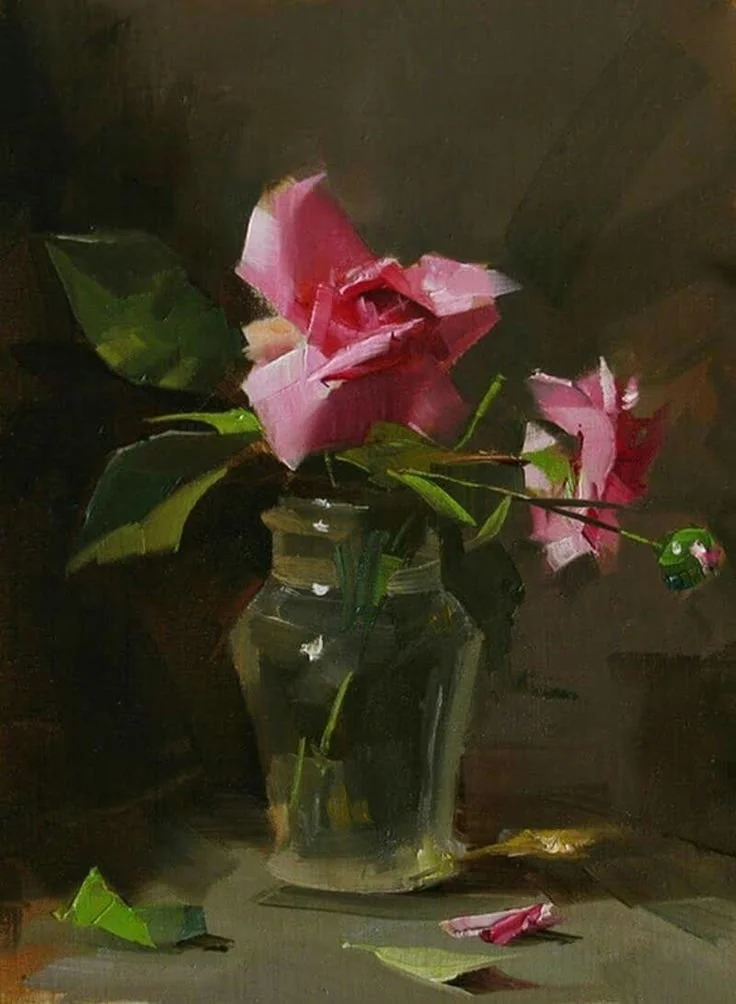
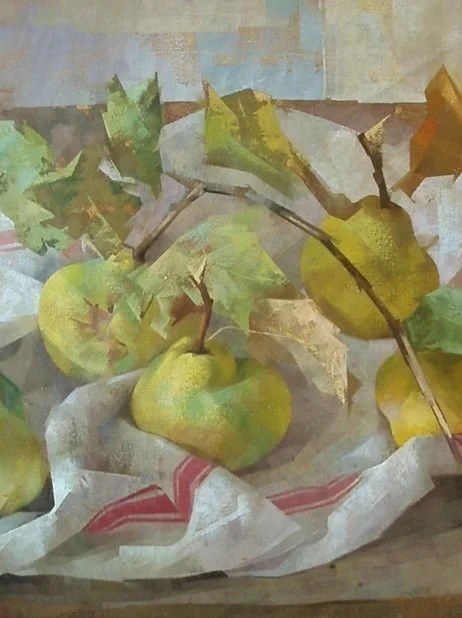
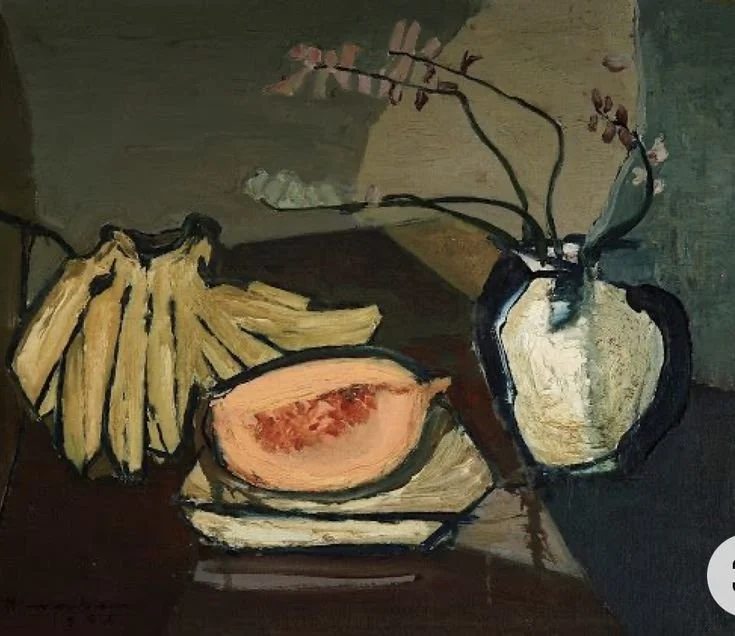
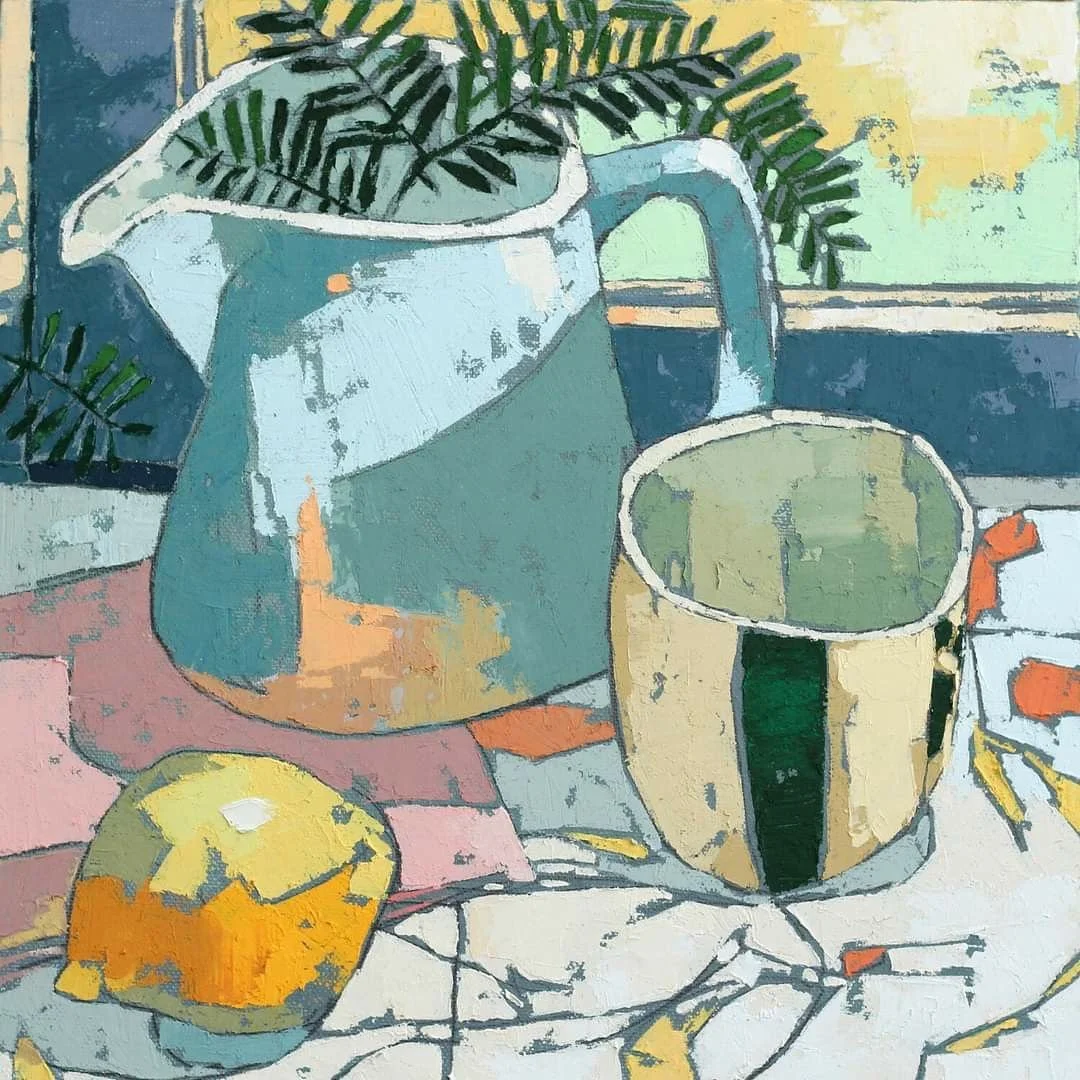
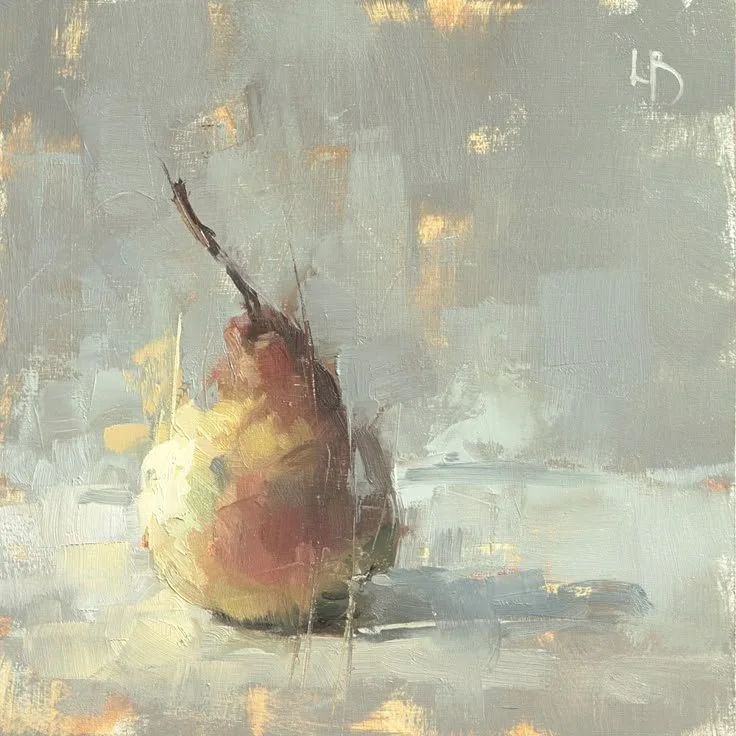
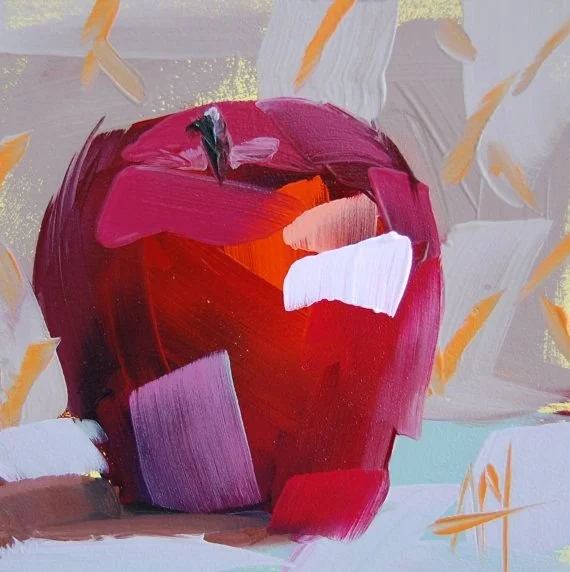
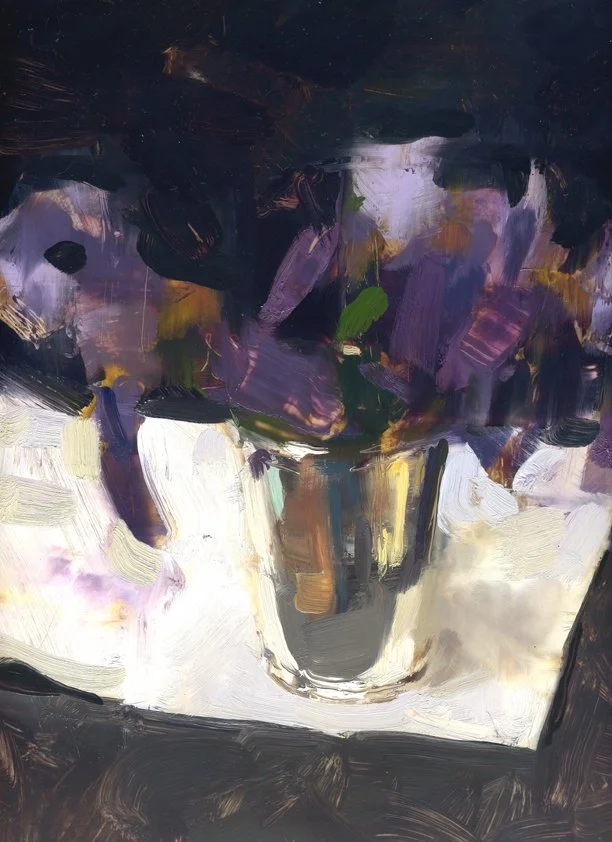
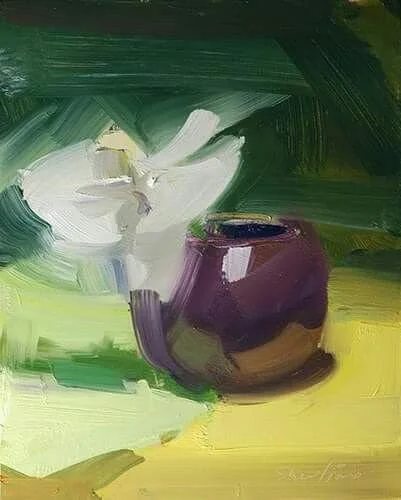
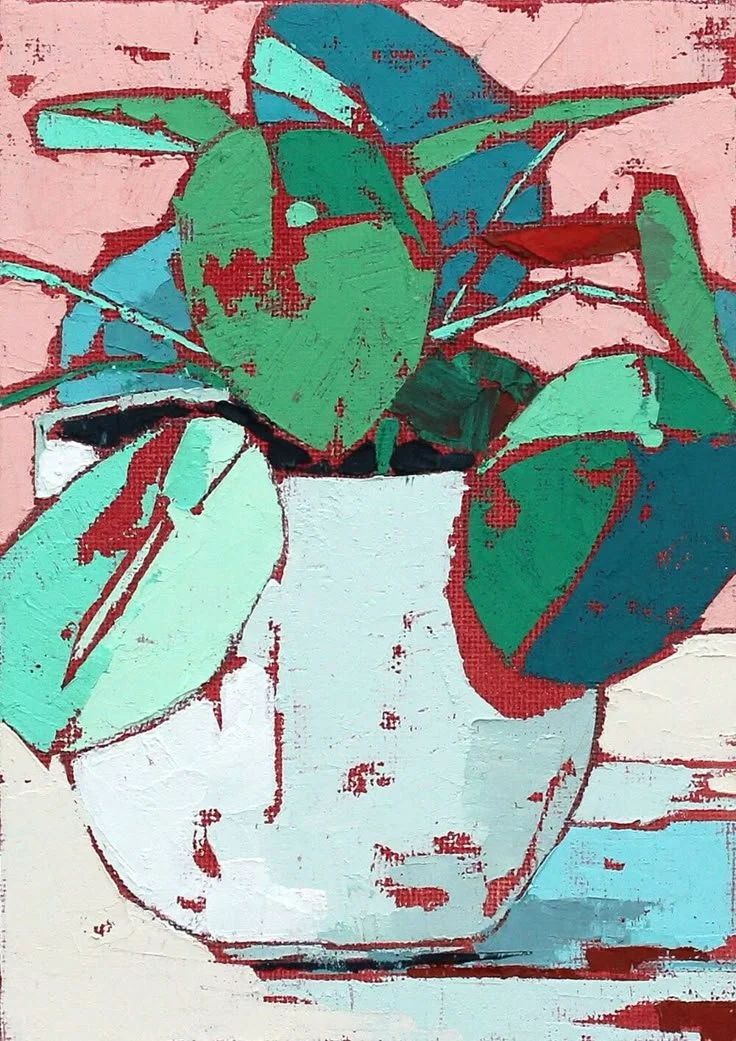
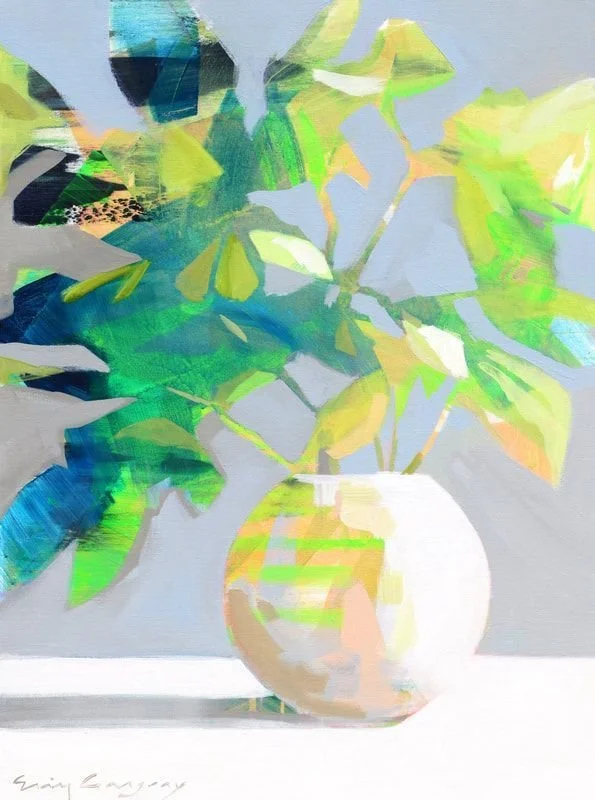
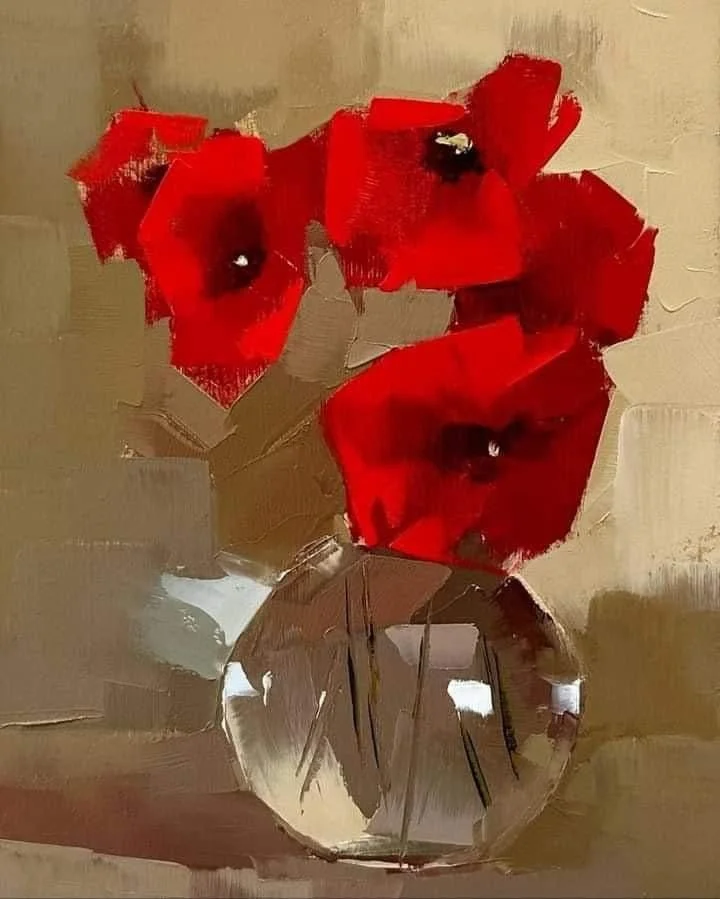
I love quirky work with a unique point of view, but beware of contrivance, trying too ‘hard’ can feel inauthentic—quirks should arise naturally from observation and intention.
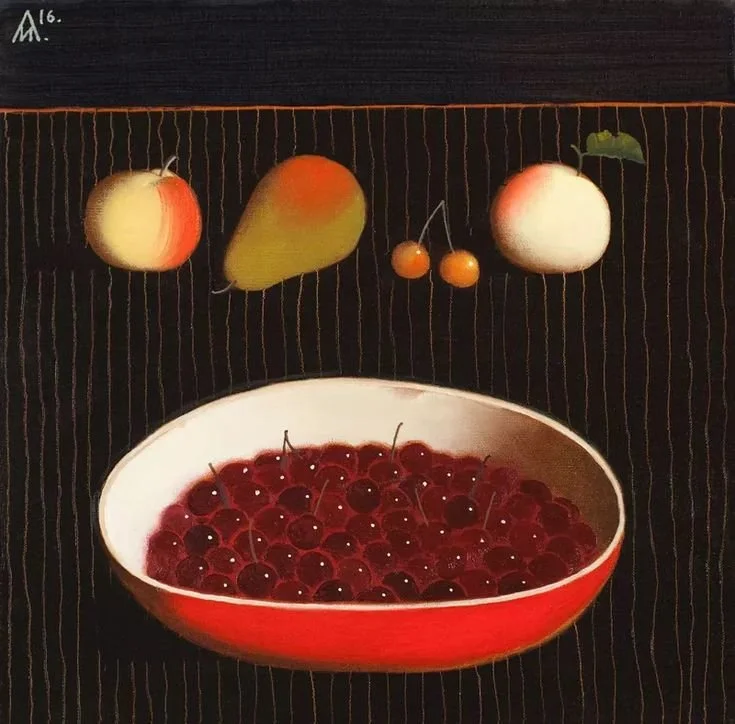
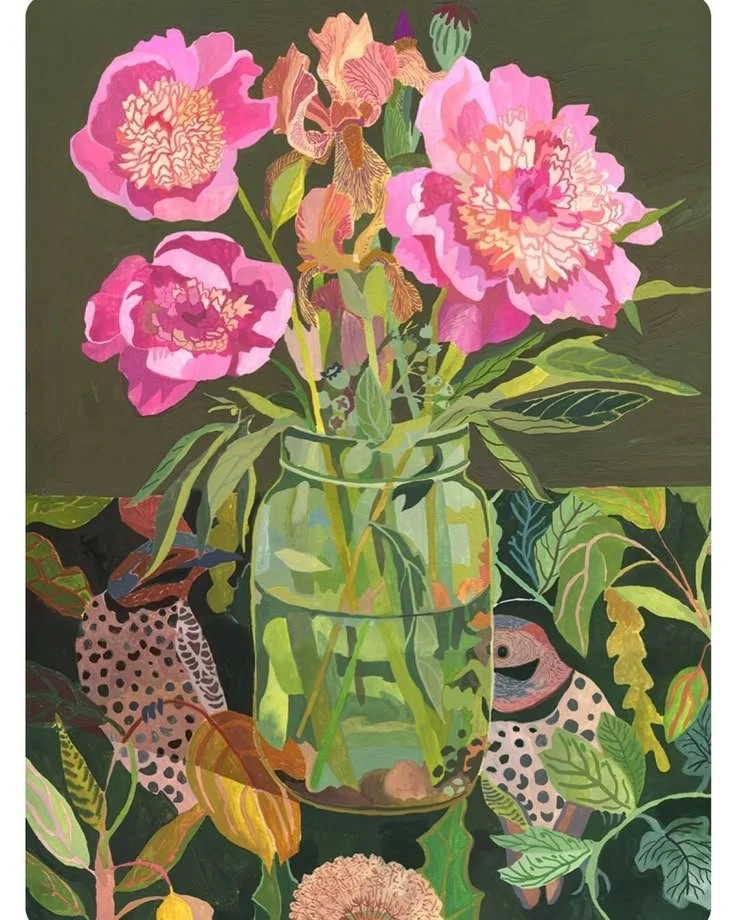
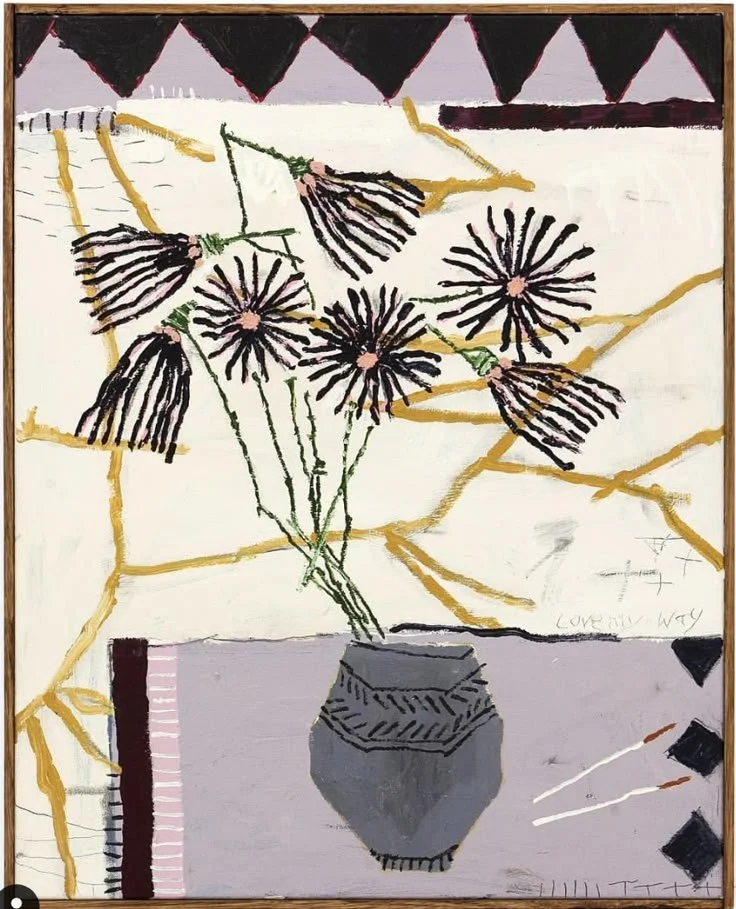
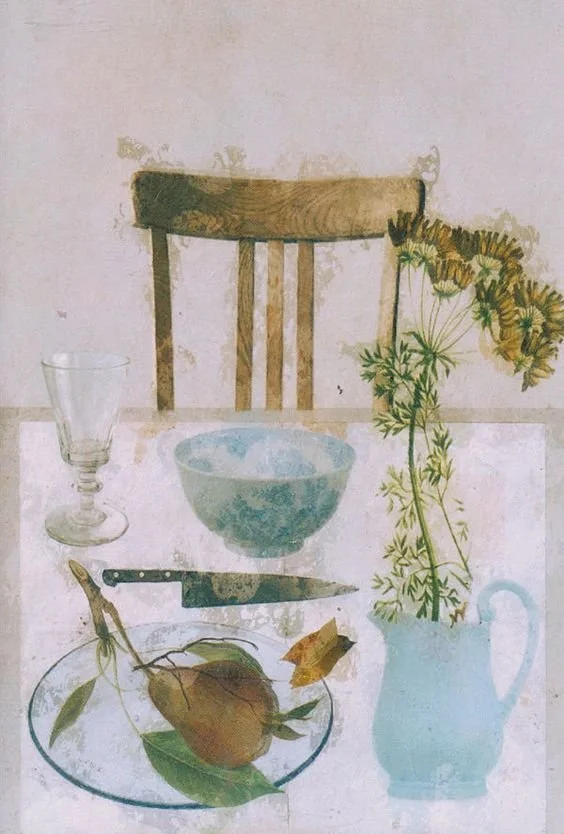
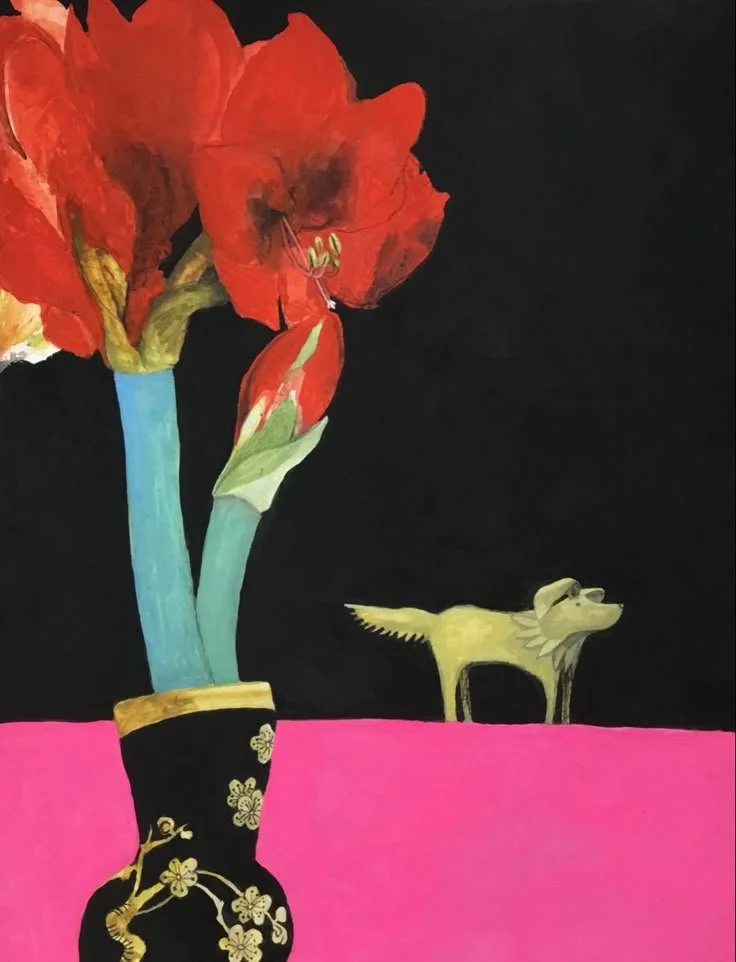
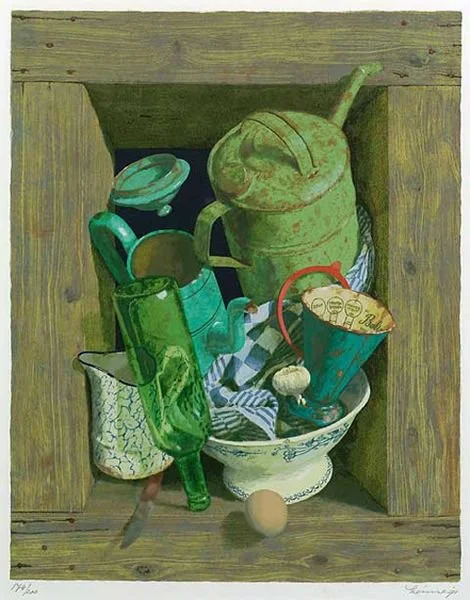
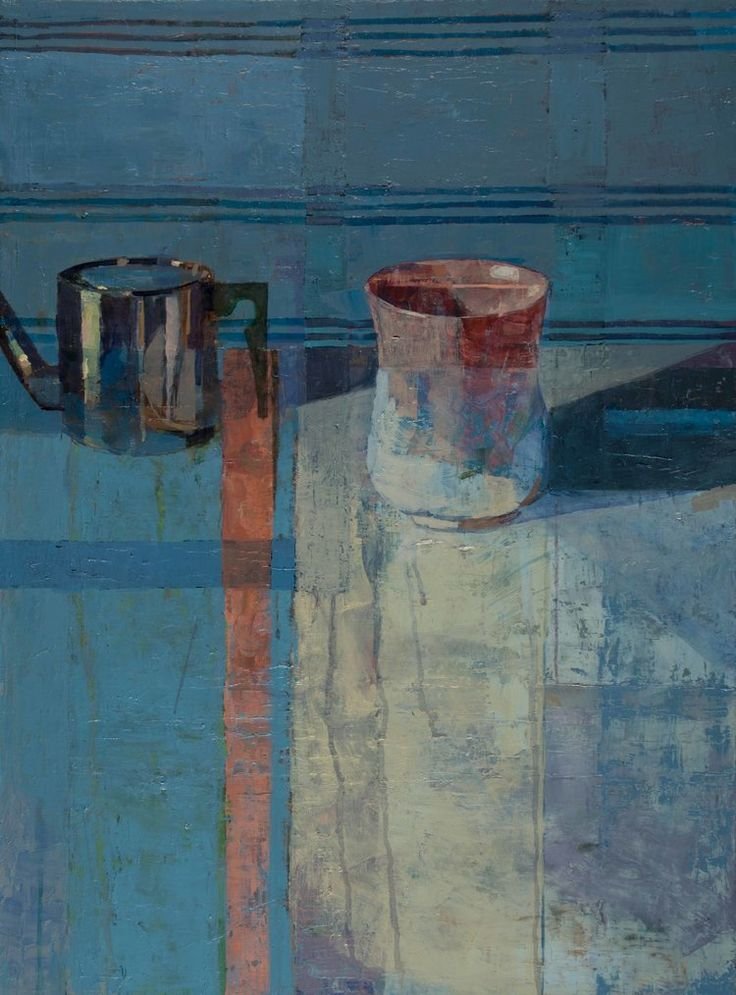
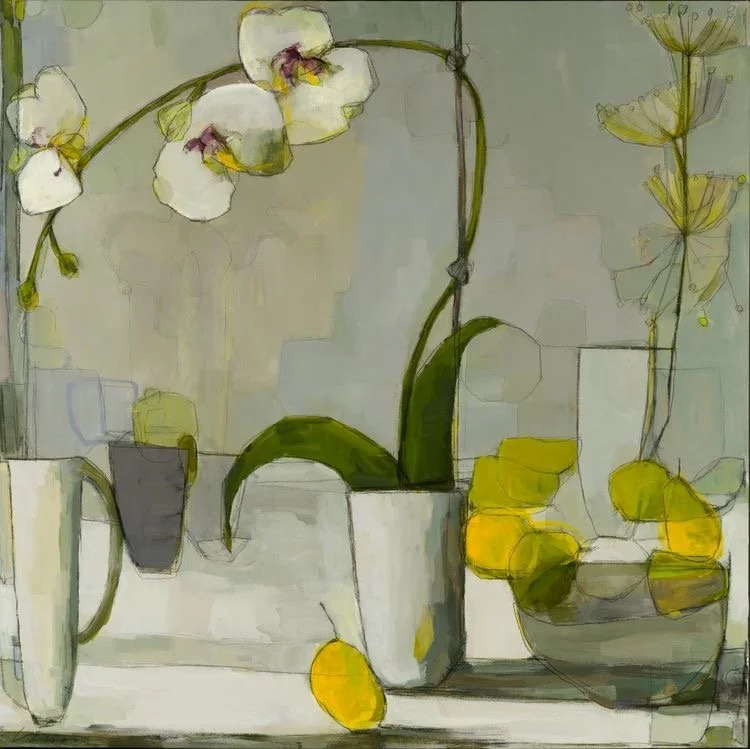
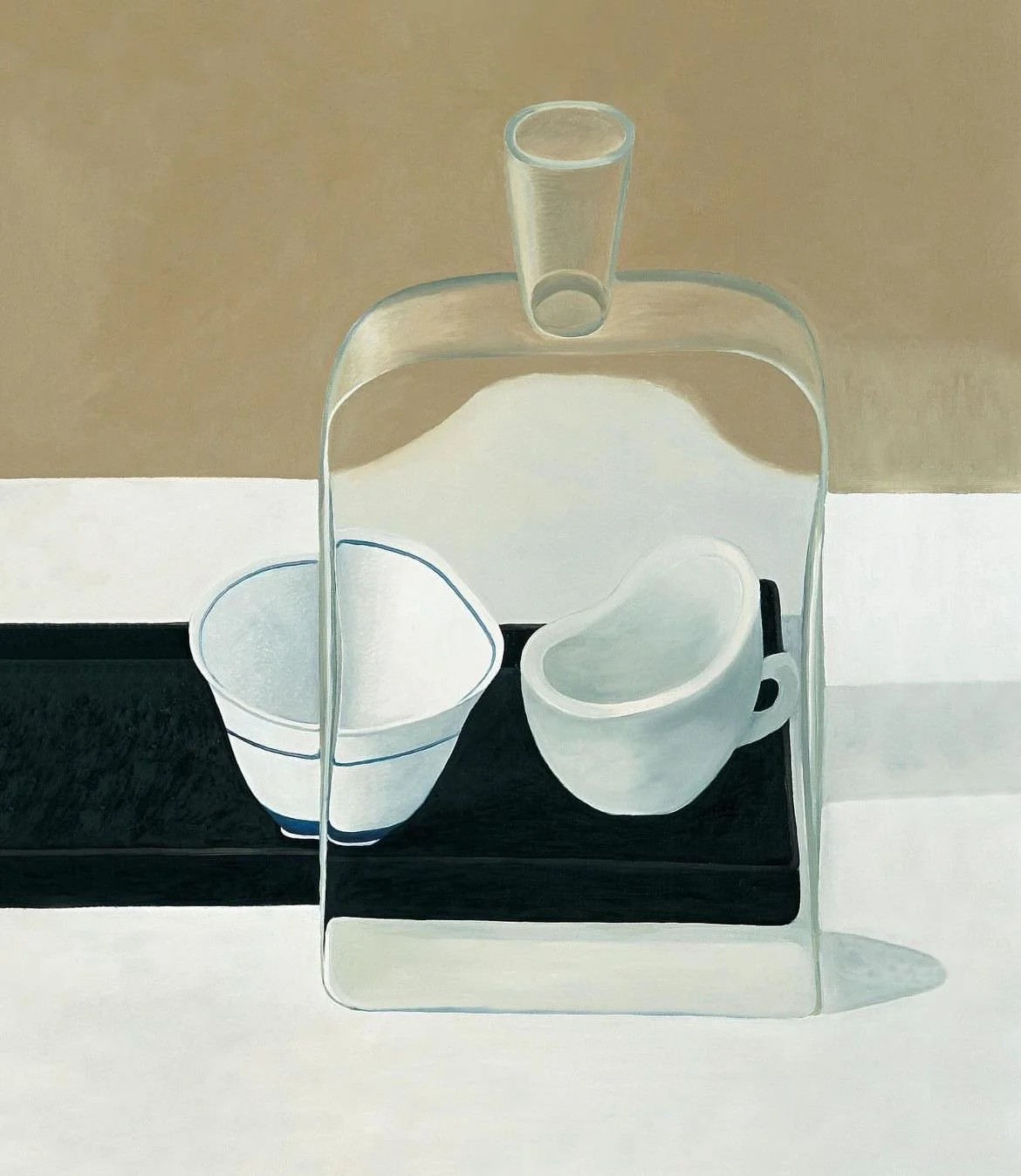
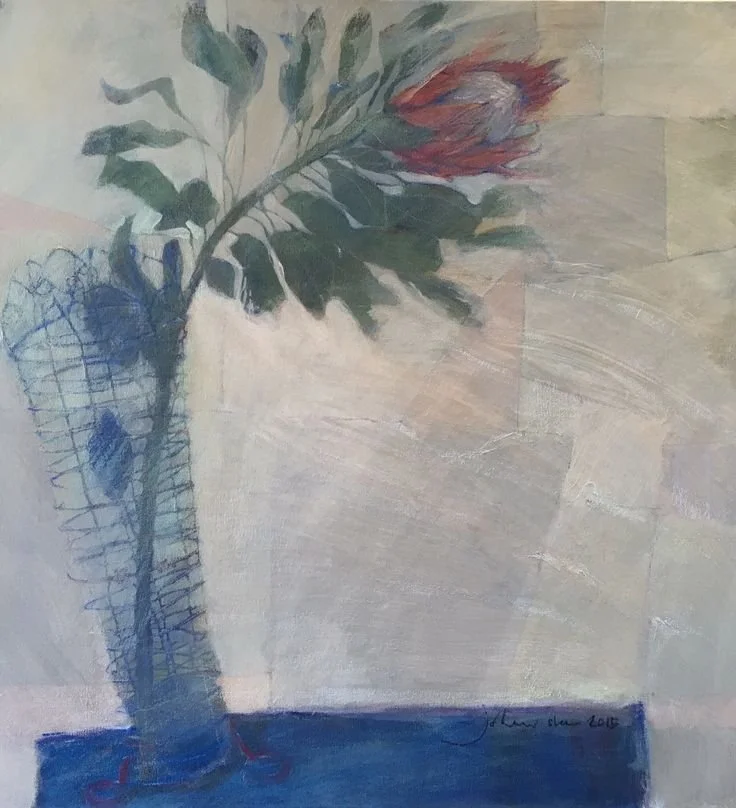
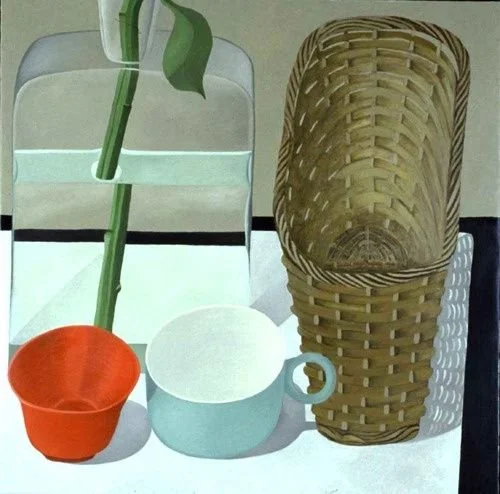
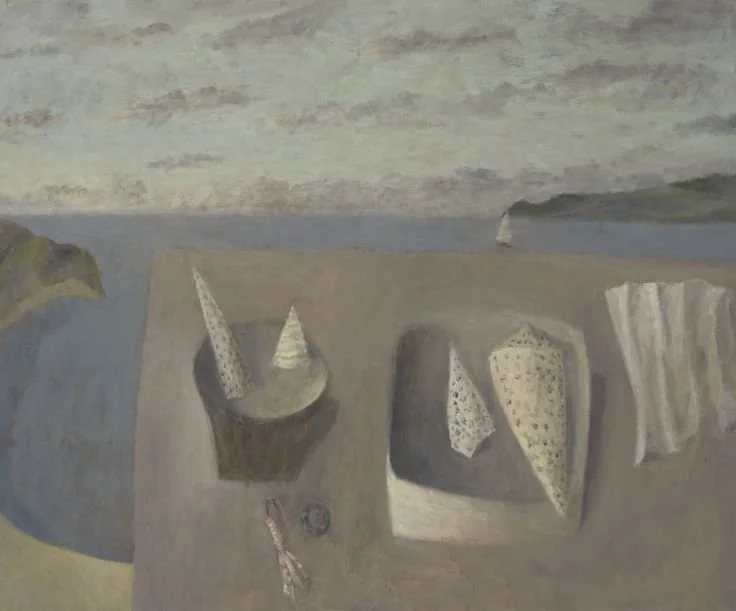
We’ll be setting up our own still lives in the light boxes provided in class.
Try to consolidate your knowledge up to now in your choice of still life.
Be playfull. Set up a useful experiment. Explore the effects of light. Simplify when things get too cluttered! Pause and look at how your mind works and see where you need to embrace it and where you need to improve.
Embrace serendipity: while deciding aims and taking photos, notice lucky accidents and explore any rabbit holes that comes to mind.
Below is the set up my Mum made and how we improved it with lighting and cropping:
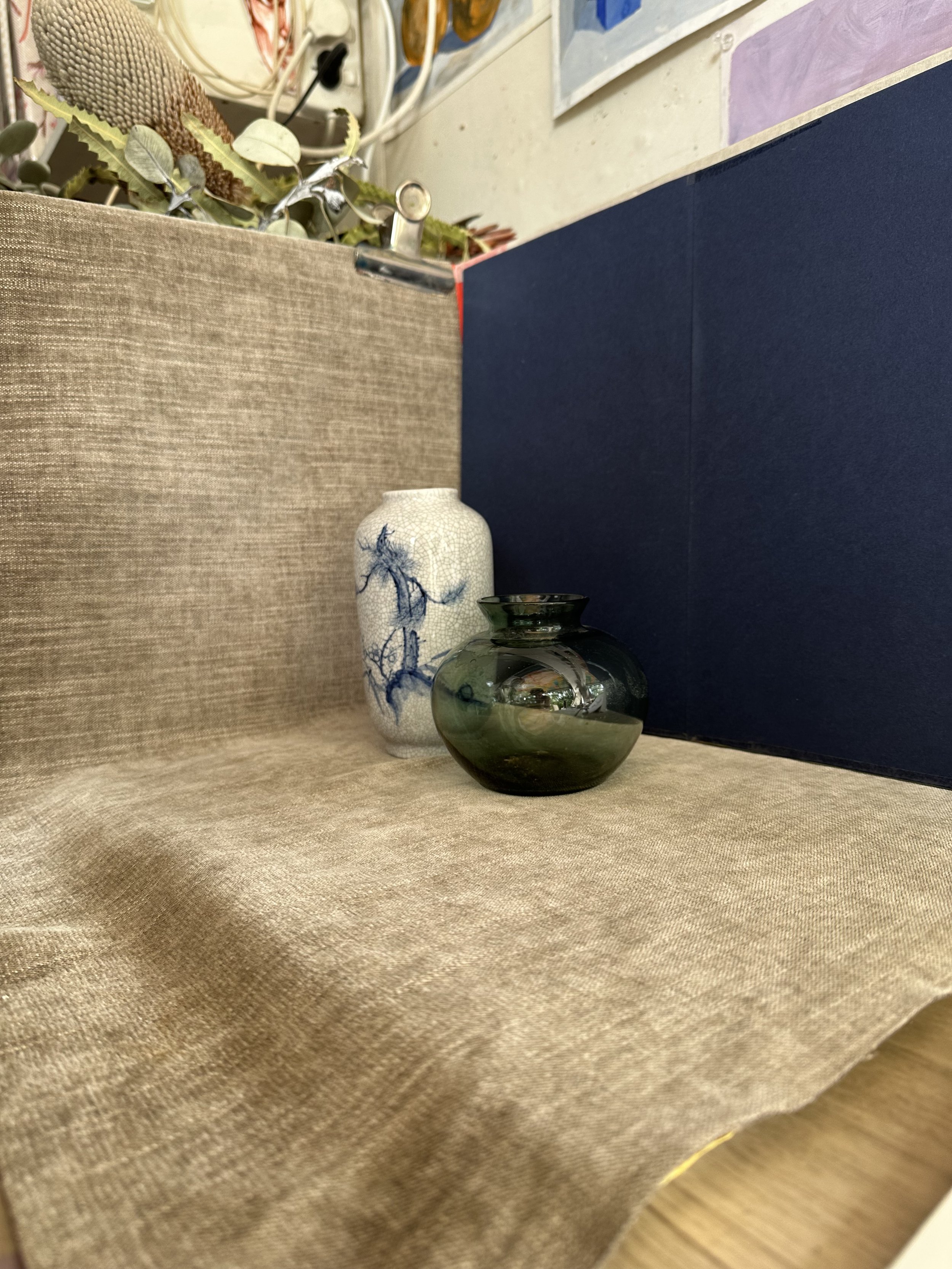
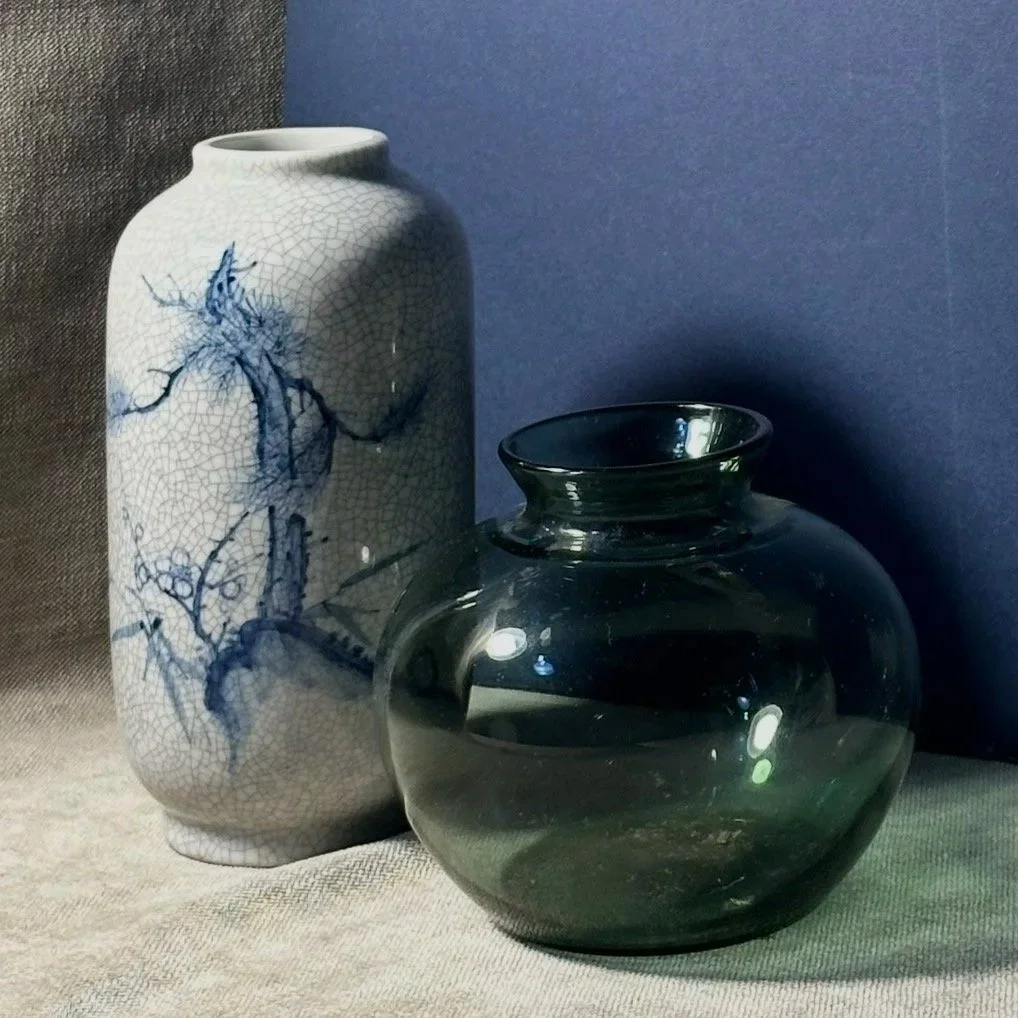
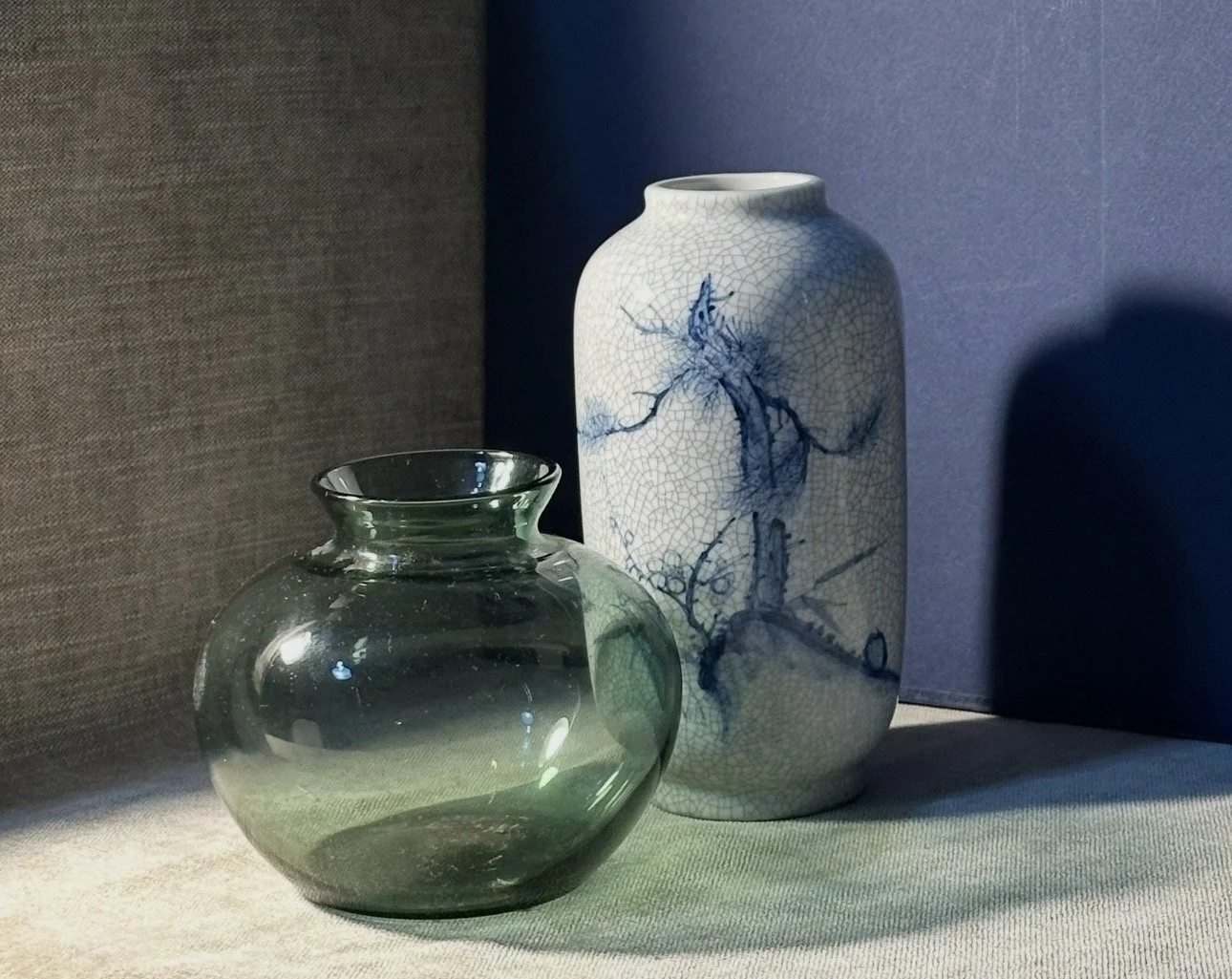
Good luck — treat your still life work as training for your mind's eye. Stay curious, choose deliberately, and explore the surprises you find along the way
“I found I could say things with color and shapes that I couldn’t say any other way—things I had no words for.”